
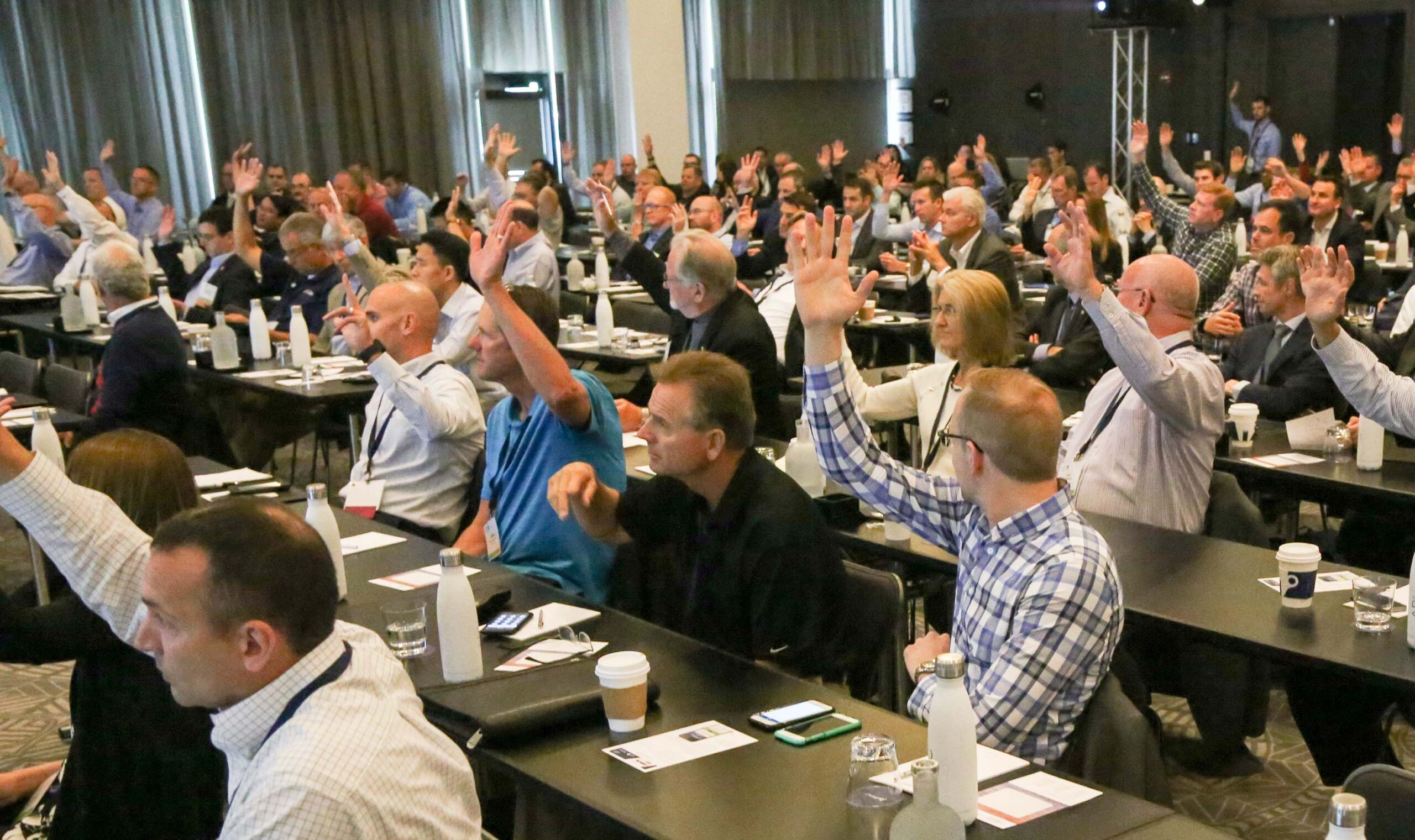
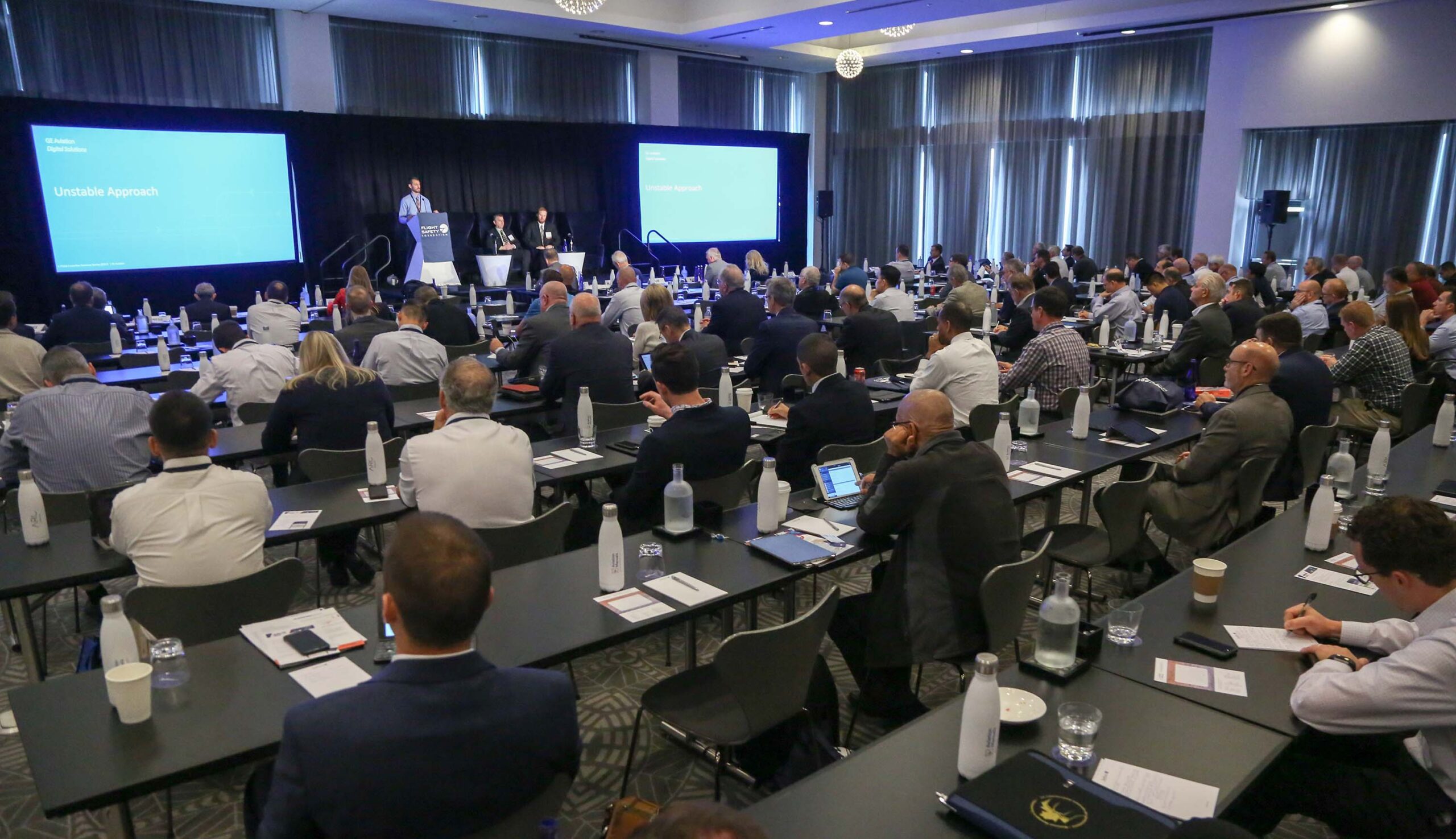
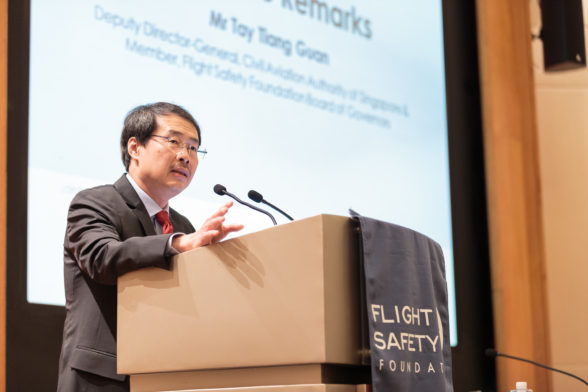
Jointly organised by Flight Safety Foundation and the Singapore Aviation Academy, the annual SASS is designed to provide a platform for aviation professionals to discuss the latest aviation safety challenges, issues, developments and initiatives to raise the safety standards in the Asia Pacific region.
Home
6th annual Singapore Aviation Safety Seminar
About SASS
Hotel Accommodations
Village Hotel Changi
1 Netheravon Road,
Singapore 508502
Nestled in idyllic Changi Village on the eastern side of Singapore, Village Hotel Changi is truly a breath of fresh air from the usual city hotels.
Flight Safety Foundation and Singapore Aviation Academy have reserved a block of sleeping rooms (single or double occupancy) at The Village Hotel, Changi for conference participants at a special group rates of the following:
- s$190.00 per room per night inclusive of one buffet breakfast & Internet (Single)
- s$210.00 per room per night inclusive of two buffet breakfast & Internet (Double/Twin)
Please fill out the reservation form and email it to vivikusu@fareast.com.sg and sharifahn@fareast.com.sg to confirm hotel reservation.
PLEASE NOTE: Flight Safety Foundation does not work with any third parties for hotel reservations, and no company should be contacting you to solicit hotel reservations. Should you be contacted by any third-party housing companies, please note that they are not affiliated, authorized or recommended by FSF. If you are contacted, please contact us right away. All hotel reservations should be made by you directly with the hotel, per the instructions on this page.
Airport Travel Information
The hotel provides complimentary shuttle service. The shuttle service connects you seamlessly between the hotel and the airport. Please click here to view the service schedule.

Village Hotel Changi 1 Netheravon Road, Singapore 508502, Singapore
WHY SHOULD YOU ATTEND
- Get updated on the latest safety initiatives and developments in flight operations, maintenance and engineering
- Hear the perspectives of international aviation experts and leaders on leading safety challenges and issues
- Learn about new technological advances and developments that can enhance flight operations safety
- Network with your regional and international aviation safety peers
WHO SHOULD ATTEND
|
|
6th annual singapore aviation safety seminar Schedule
The program agenda is continually being updated. Please check back regularly for more updates.
Last updated January 23, 2020
Day 1 – Tuesday, March 17
Panel Session I – Enhancing Aviation Safety with Data Analytics
By 2025, more than 38,000 new aircraft will be in operation worldwide, producing many times more data than the previous generation aircraft. The proliferation of sensors on modern aircraft has led to a 60-fold increase in the number of aircraft parameters collected from each flight. In order to leverage on the vast amount of data, the aviation community needs to be equipped with the necessary technology, knowledge and process to efficiently generate insights and formulate actions to enhance safety. In this session, speakers will look into the benefits and challenges on how to utilize data analytics to ensure safer skies.
Session II – Data-driven Fatigue Risk Management
The aviation industry provides one of the safest modes of transportation in the world. Nevertheless, a safety critical industry must actively manage hazards with the potential to impact safety. Crew member fatigue is a hazard that predictably degrades various types of human performance and can contribute to aviation accidents and serious incidents. While fatigue cannot be eliminated, it can definitely be better managed to enhance aviation safety. An effective Fatigue Risk Management Systems (FRMS) is data-driven and routinely collects and analyzes information, and reports related to aviation personnel who are required to be alert to perform at a safe level operationally. This will help control risk associated with both transient and cumulative fatigue. In this session, speakers will share an overview and best practices in data-driven fatigue risk management.
Session III – Safety Management Systems Implementation in Perspectives
Safety Management Systems (SMS) provide a structured management approach to control safety risks in operations. To effectively manage risk, all aviation products and service providers including, aircraft operators, manufacturers, aerodromes, maintenance companies, aircraft refuellers, caterers, baggage and ground handlers must adopt SMS. In this session, speakers will discuss on current status of SMS in aviation, the benefits of SMS and the challenges faced by the aviation community in implementing SMS.
Day 2 – Wednesday, March 18
Panel Session IV – Integration of manned and unmanned aircraft in controlled airspace
The early days of any new industry are often the most confusing and hardest times to predict the long-term trajectory of the technology and the business models. One thing is certain: The expectations for safety will be even higher in the future evolution of flying machines, whether with or without humans controlling an aircraft from the air. So how does the industry plan for safety without any evidence of that the performance levels might be as the industry launches drones and urban air mobility (UAM). The advent of drones has presented a gamut of unprecedented complications to the safety of urban air transportation system which needs to be accompanied by a safe, sustainable and convenient solution. Can we indeed plan for something much better than current commercial aviation safety performance levels?
Session V – High Risk Accident Categories
Controlled Flight into Terrain (CFIT), Loss of control in flight (LOC-I), mid-air collision, runway excursion and runway incursion related incidents or accidents are identified as the top safety priorities of ICAO in the 2020 – 2022 edition of the Global Aviation Safety Plan (GASP). These three categories contributed to a large portion of air incidents leading to a considerable amount of fatalities, especially in the APAC region. In this session, speakers will discuss today’s challenges for the remaining causes for these high-risk accident categories, as well as how we can increase the safety levels in APAC region.
Session VI – Licensing of Pilots, Cabin Crew and Air Traffic Controllers
Competence of aviation personnel is of paramount importance in managing aviation safety. The regulators’ requirements for licensing of many operational staff is meant to assure the traveling public that trusted and capable individuals are used for key positions. From Pilots, Cabin Crew, aircraft maintenance engineer and Air Traffic Controllers, we depend on these professionals to make the right decisions, and these ranges from those routine and easy to execute to the extremely challenging situations where lives could be at stake. Yet how we set the requirements and how we test for those seeking to fill these positions perhaps should be an ever changing and improving standard. This session discusses how we can make these requirements fair which will eventually lead to equipping personnel with the right skills necessary for the job.
Session VII – The Role of Human Factors in Improving Aviation Safety
Despite rapid gains in technology, humans are ultimately responsible for ensuring operational success and safety in the aviation industry. They must continue to be knowledgeable, flexible, dedicated, and efficient while exercising good judgment. At the same time, the industry continues to make heavy investments in training and advanced equipment that have long-term implications on human interaction and performance. A sound scientific basis is necessary for assessing human performance implications in design, training, and procedures to continue to improve aviation safety. In this session, speakers will discuss on various human factors initiatives and developments.
Day 3 – Thursday, March 19
Session VIII – Flight Crew Training
How can we, by regularly revisiting the training needs based on operational results and increase the value of training by recognizing all the areas to make proper assessments. When we know what we need to cover in the training of our cadets, instructors and captains, who often have different learning styles that can be different across the generations, how do we make a real impact to the capabilities of flight crews through the newest changes to our training curriculum. In this session, the speakers will share the latest developments in flight crew training to improve flight safety.
Session IX – Technology Assisted Maintenance in Aviation
MRO is a significant contributor to aircraft operating costs, flight delays and cancellations. As the global aerospace engineering industry gears up to adopt emerging technologies, OEMs, MROs and suppliers have adopted a range of innovative technologies and techniques such as robotics, virtual/augmented reality, additive manufacturing etc. to aid aircraft maintenance. In this session, speakers will discuss how technologies will enable MROs to reduce cost, turnaround time and optimize resources.
Session X – Automation in Flight Deck – Blessing or Danger?
Pilots operating modern aircraft depends on automation for safe, efficient and effective operation. However, recent accidents reminded us that automation may work against us and resulted in the aircraft entering a state where it cannot return to safe flight Automation is meant to reduce workload, so the pilot may focus on other important tasks but a poorly designed automation may result in the pilot losing his situation awareness and creates a huge increase in workload if it fails to work as designed. Are we in an era of automation dependency? Are we able to fully control an aircraft safely should some critical automation system fails?
Session XI – Aircraft Health Monitoring Systems
Aircraft Health Monitoring Systems (AHMS) utilize multi-sensors information integration technology to diagnose systematic failure and are at the heart of predictive maintenance. AHMS allow significant savings in maintenance and operational costs. Engine OEMs and MRO have been developing engine health-monitoring solutions for some time, but aircraft OEMs are now catching up as they recognize the power of data to drive aftermarket revenues. This session discusses the latest technologies and advancement pertaining to AHMS and their benefits.
Session XII – Cabin Safety Improvements
The challenges related to cabin safety are continuously evolving and require ongoing improvements. The proliferation of Portable Electronic Devices (PEDS) carried by passengers and crew has led to a recent revision of cabin crew fire-fighting procedures to mitigate the risk of inflight fires. There is also a marked increase in air rage incidents during flights likely caused by physiological or psychological stresses linked to air travel. This has resulted in procedures being developed to manage such unruly passengers and considerations in the flight deck to divert flights as necessary. In this session, speakers will share the latest initiatives to improve cabin safety.
Session XIII – Digital Transformation in Aircraft Maintenance
Technology has changed the way that aircraft maintenance is carried out in every way: predicting faults, troubleshooting, training and managing information that supports maintenance. Real-time capture of MRO transaction data at source, deriving insights using internet of things (IoT), artificial intelligence (AI) and machine learning (ML) and innovation to exploit the insights forms the foundation of digital transformation. In this session, the speakers discuss how blockchain, AI, ML, IoT can benefit MRO and share their digital transformation journey.
Panel Session XIV: Aviation Mental Health
The importance of managing flight crew mental health has been thrusted to the forefront of aviation mental health after the crash of LAM Flight 470 and Germanwings Flight 9525. Unfortunately, there is a rising incidence of mental health problems in the population in general and depression is one of the most common psychiatric disorders, with a progressive incidence rate. More serious mental health problems, such as psychotic disorders, can be difficult to predict and their diagnosis can also be difficult in the absence of clear psychotic symptoms. The mental health of flight crew, where their professional activity can affect flight safety, must therefore be a priority for the international aviation community. State CAAs and airlines have introduced Peer Support Program (PSP) and Human Intervention Motivation Studies (HIMS) to help those who are affected, so they may continue to perform their duties in a safe manner. In this session, speakers will discuss an overview of aviation mental health issues.
Sunday, 3/17
12:00Am - 12:00Am
Panel Session I – Enhancing Aviation Safety with Data Analytics
12:00Am - 12:00Am
Session II – Data-driven Fatigue Risk Management
12:00Am - 12:00Am
Session III – Safety Management Systems Implementation in Perspectives
Monday, 3/18
12:00Am - 12:00Am
Panel Session IV – Integration of manned and unmanned aircraft in controlled airspace
12:00Am - 12:00Am
Session V – High Risk Accident Categories
12:00Am - 12:00Am
Session VI – Licensing of Pilots, Cabin Crew and Air Traffic Controllers
12:00Am - 12:00Am
Session VII – The Role of Human Factors in Improving Aviation Safety
Tuesday, 3/19
12:00Am - 12:00Am
Session VIII – Flight Crew Training
12:00Am - 12:00Am
Session IX – Technology Assisted Maintenance in Aviation
12:00Am - 12:00Am
Session X – Automation in Flight Deck – Blessing or Danger?
12:00Am - 12:00Am
Session XI – Aircraft Health Monitoring Systems
12:00Am - 12:00Am
Session XII – Cabin Safety Improvements
12:00Am - 12:00Am
Session XIII – Digital Transformation in Aircraft Maintenance
12:00Am - 12:00Am
Panel Session XIV: Aviation Mental Health
REGISTRATION INFORMATION
- Full Conference registration fees include all meeting materials; admission to general sessions and the exhibit hall; Monday Sponsored opening reception, Monday, Tuesday, Wednesday lunch, and refreshment breaks.
- One day registration fees include access to the general session and exhibit hall for a single day.
- Forms of payment accepted: Visa, Mastercard, American Express, check and wire transfer.
Registration Fees
Early Bird Rate
Regular Rate
ADDITIONAL REGISTRATION INFORMATION
Special Promotions
Three & free
Organizations that register three attendees at the full-conference rate will receive one complimentary registration for the full-conference.
Complete the online form for the first registrant. When you arrive at the Registration Summary page, click Add Person (not the Add Guest button on a previous page) and enter your second registrant. Repeat this step for the third registrant. When done, click Finished Adding People. You will then receive a code to use when registering for your fourth, complimentary, registrant. All registrants must be from the same company.
In order to qualify for this promotion, all registrants must be from the same company. Please contact us if you have any questions.
Cancellations and Substitution Policy
Refund or credit, less a US $50 administrative fee, will be given for cancellations received by Friday, January 10, 2020. Between January 11 and February 7, 2020, you can cancel and receive a credit, less $50 administrative fee, for a future Flight Safety Foundation meeting, summit or workshop to be used within one year. Credit cannot be applied towards membership dues. No refund or credit will be given for cancellations received after Friday, February 7, 2020. Substitutions are welcomed at any time.
All cancellation, refund, credit, and substitution requests should be sent via email to Ms. Namratha Apparao at apparao@flightsafety.org. Registrants who do not attend the meeting, and have not sent an email cancellation by the deadline, will forfeit the entire registration fee.
Consent to Use Photographic Images
Registration and attendance at, or participation in, any of the Singapore Aviation Safety Seminars constitutes an agreement by the registrant to the Flight Safety Foundation and Singapore Aviation Academy’s use and distribution (both now and in the future) of the registrant or attendee’s image or voice in photographs, videotapes, electronic reproductions and audiotapes.
Group Invoicing
If you would like to have your registration invoiced for groups, please reach out to apparao@flightsafety.org for additional information.
Travel Documentation Requirements: Passports and Visas
All foreign visitors to Singapore must have the following in order for entry:
- Valid travel document (i.e. passport) with a minimum 6-month validity period beyond the scheduled date of departure from Singapore.
- Depending on the passport you hold, a pre-arranged visa might be necessary. Visit the Singapore Immigration & Checkpoint Authority to determine requirements.
- Confirmed onward or return tickets (if applicable).
- Entry facilities, including visas, to your next destination (if not returning home).
- Sufficient funds to maintain your stay.
- Yellow Fever vaccinations (if required).
Participants are responsible for obtaining the necessary visa, if necessary. If you require an original invitation letter from Flight Safety Foundation to obtain your visa, please allow 4 weeks for receipt. If you must have it sent via express mail, a pre-payment charge of US $50 will apply. For more information, contact Namratha Apparao at apparao@flightsafety.org, or telephone: +1 703.739.6700, ext. 101.
6th annual singapore aviation safety seminar Schedule
The program agenda is continually being updated. Please check back regularly for more updates.
Last updated January 23, 2020
Day 1 – Tuesday, March 17
Panel Session I – Enhancing Aviation Safety with Data Analytics
By 2025, more than 38,000 new aircraft will be in operation worldwide, producing many times more data than the previous generation aircraft. The proliferation of sensors on modern aircraft has led to a 60-fold increase in the number of aircraft parameters collected from each flight. In order to leverage on the vast amount of data, the aviation community needs to be equipped with the necessary technology, knowledge and process to efficiently generate insights and formulate actions to enhance safety. In this session, speakers will look into the benefits and challenges on how to utilize data analytics to ensure safer skies.
Session II – Data-driven Fatigue Risk Management
The aviation industry provides one of the safest modes of transportation in the world. Nevertheless, a safety critical industry must actively manage hazards with the potential to impact safety. Crew member fatigue is a hazard that predictably degrades various types of human performance and can contribute to aviation accidents and serious incidents. While fatigue cannot be eliminated, it can definitely be better managed to enhance aviation safety. An effective Fatigue Risk Management Systems (FRMS) is data-driven and routinely collects and analyzes information, and reports related to aviation personnel who are required to be alert to perform at a safe level operationally. This will help control risk associated with both transient and cumulative fatigue. In this session, speakers will share an overview and best practices in data-driven fatigue risk management.
Session III – Safety Management Systems Implementation in Perspectives
Safety Management Systems (SMS) provide a structured management approach to control safety risks in operations. To effectively manage risk, all aviation products and service providers including, aircraft operators, manufacturers, aerodromes, maintenance companies, aircraft refuellers, caterers, baggage and ground handlers must adopt SMS. In this session, speakers will discuss on current status of SMS in aviation, the benefits of SMS and the challenges faced by the aviation community in implementing SMS.
Day 2 – Wednesday, March 18
Panel Session IV – Integration of manned and unmanned aircraft in controlled airspace
The early days of any new industry are often the most confusing and hardest times to predict the long-term trajectory of the technology and the business models. One thing is certain: The expectations for safety will be even higher in the future evolution of flying machines, whether with or without humans controlling an aircraft from the air. So how does the industry plan for safety without any evidence of that the performance levels might be as the industry launches drones and urban air mobility (UAM). The advent of drones has presented a gamut of unprecedented complications to the safety of urban air transportation system which needs to be accompanied by a safe, sustainable and convenient solution. Can we indeed plan for something much better than current commercial aviation safety performance levels?
Session V – High Risk Accident Categories
Controlled Flight into Terrain (CFIT), Loss of control in flight (LOC-I), mid-air collision, runway excursion and runway incursion related incidents or accidents are identified as the top safety priorities of ICAO in the 2020 – 2022 edition of the Global Aviation Safety Plan (GASP). These three categories contributed to a large portion of air incidents leading to a considerable amount of fatalities, especially in the APAC region. In this session, speakers will discuss today’s challenges for the remaining causes for these high-risk accident categories, as well as how we can increase the safety levels in APAC region.
Session VI – Licensing of Pilots, Cabin Crew and Air Traffic Controllers
Competence of aviation personnel is of paramount importance in managing aviation safety. The regulators’ requirements for licensing of many operational staff is meant to assure the traveling public that trusted and capable individuals are used for key positions. From Pilots, Cabin Crew, aircraft maintenance engineer and Air Traffic Controllers, we depend on these professionals to make the right decisions, and these ranges from those routine and easy to execute to the extremely challenging situations where lives could be at stake. Yet how we set the requirements and how we test for those seeking to fill these positions perhaps should be an ever changing and improving standard. This session discusses how we can make these requirements fair which will eventually lead to equipping personnel with the right skills necessary for the job.
Session VII – The Role of Human Factors in Improving Aviation Safety
Despite rapid gains in technology, humans are ultimately responsible for ensuring operational success and safety in the aviation industry. They must continue to be knowledgeable, flexible, dedicated, and efficient while exercising good judgment. At the same time, the industry continues to make heavy investments in training and advanced equipment that have long-term implications on human interaction and performance. A sound scientific basis is necessary for assessing human performance implications in design, training, and procedures to continue to improve aviation safety. In this session, speakers will discuss on various human factors initiatives and developments.
Day 3 – Thursday, March 19
Session VIII – Flight Crew Training
How can we, by regularly revisiting the training needs based on operational results and increase the value of training by recognizing all the areas to make proper assessments. When we know what we need to cover in the training of our cadets, instructors and captains, who often have different learning styles that can be different across the generations, how do we make a real impact to the capabilities of flight crews through the newest changes to our training curriculum. In this session, the speakers will share the latest developments in flight crew training to improve flight safety.
Session IX – Technology Assisted Maintenance in Aviation
MRO is a significant contributor to aircraft operating costs, flight delays and cancellations. As the global aerospace engineering industry gears up to adopt emerging technologies, OEMs, MROs and suppliers have adopted a range of innovative technologies and techniques such as robotics, virtual/augmented reality, additive manufacturing etc. to aid aircraft maintenance. In this session, speakers will discuss how technologies will enable MROs to reduce cost, turnaround time and optimize resources.
Session X – Automation in Flight Deck – Blessing or Danger?
Pilots operating modern aircraft depends on automation for safe, efficient and effective operation. However, recent accidents reminded us that automation may work against us and resulted in the aircraft entering a state where it cannot return to safe flight Automation is meant to reduce workload, so the pilot may focus on other important tasks but a poorly designed automation may result in the pilot losing his situation awareness and creates a huge increase in workload if it fails to work as designed. Are we in an era of automation dependency? Are we able to fully control an aircraft safely should some critical automation system fails?
Session XI – Aircraft Health Monitoring Systems
Aircraft Health Monitoring Systems (AHMS) utilize multi-sensors information integration technology to diagnose systematic failure and are at the heart of predictive maintenance. AHMS allow significant savings in maintenance and operational costs. Engine OEMs and MRO have been developing engine health-monitoring solutions for some time, but aircraft OEMs are now catching up as they recognize the power of data to drive aftermarket revenues. This session discusses the latest technologies and advancement pertaining to AHMS and their benefits.
Session XII – Cabin Safety Improvements
The challenges related to cabin safety are continuously evolving and require ongoing improvements. The proliferation of Portable Electronic Devices (PEDS) carried by passengers and crew has led to a recent revision of cabin crew fire-fighting procedures to mitigate the risk of inflight fires. There is also a marked increase in air rage incidents during flights likely caused by physiological or psychological stresses linked to air travel. This has resulted in procedures being developed to manage such unruly passengers and considerations in the flight deck to divert flights as necessary. In this session, speakers will share the latest initiatives to improve cabin safety.
Session XIII – Digital Transformation in Aircraft Maintenance
Technology has changed the way that aircraft maintenance is carried out in every way: predicting faults, troubleshooting, training and managing information that supports maintenance. Real-time capture of MRO transaction data at source, deriving insights using internet of things (IoT), artificial intelligence (AI) and machine learning (ML) and innovation to exploit the insights forms the foundation of digital transformation. In this session, the speakers discuss how blockchain, AI, ML, IoT can benefit MRO and share their digital transformation journey.
Panel Session XIV: Aviation Mental Health
The importance of managing flight crew mental health has been thrusted to the forefront of aviation mental health after the crash of LAM Flight 470 and Germanwings Flight 9525. Unfortunately, there is a rising incidence of mental health problems in the population in general and depression is one of the most common psychiatric disorders, with a progressive incidence rate. More serious mental health problems, such as psychotic disorders, can be difficult to predict and their diagnosis can also be difficult in the absence of clear psychotic symptoms. The mental health of flight crew, where their professional activity can affect flight safety, must therefore be a priority for the international aviation community. State CAAs and airlines have introduced Peer Support Program (PSP) and Human Intervention Motivation Studies (HIMS) to help those who are affected, so they may continue to perform their duties in a safe manner. In this session, speakers will discuss an overview of aviation mental health issues.
Sunday, 3/17
12:00Am - 12:00Am
Panel Session I – Enhancing Aviation Safety with Data Analytics
12:00Am - 12:00Am
Session II – Data-driven Fatigue Risk Management
12:00Am - 12:00Am
Session III – Safety Management Systems Implementation in Perspectives
Monday, 3/18
12:00Am - 12:00Am
Panel Session IV – Integration of manned and unmanned aircraft in controlled airspace
12:00Am - 12:00Am
Session V – High Risk Accident Categories
12:00Am - 12:00Am
Session VI – Licensing of Pilots, Cabin Crew and Air Traffic Controllers
12:00Am - 12:00Am
Session VII – The Role of Human Factors in Improving Aviation Safety
Tuesday, 3/19
12:00Am - 12:00Am
Session VIII – Flight Crew Training
12:00Am - 12:00Am
Session IX – Technology Assisted Maintenance in Aviation
12:00Am - 12:00Am
Session X – Automation in Flight Deck – Blessing or Danger?
12:00Am - 12:00Am
Session XI – Aircraft Health Monitoring Systems
12:00Am - 12:00Am
Session XII – Cabin Safety Improvements
12:00Am - 12:00Am
Session XIII – Digital Transformation in Aircraft Maintenance
12:00Am - 12:00Am
Panel Session XIV: Aviation Mental Health
Elevate Your Brand
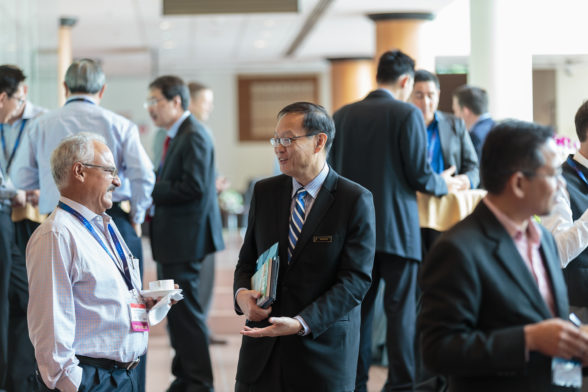 Sponsors of SASS 2020 have an opportunity to showcase their brand in front of prospective and current clients and position their organization as a supporter of aviation safety. SASS is a one-stop source where key decision-makers can exchange information on how the latest developments will impact their businesses. The Singapore Aviation Safety Seminar (SASS) brings together aviation professionals to share the latest safety challenges, issues, developments and initiatives to raise the safety standards in the Asia Pacific region.
View sponsorship opportunities. When you are ready to confirm your organization’s sponsorship, please email Liz Solorzano.
Sponsor/Exhibit Manual
Sponsors of SASS 2020 have an opportunity to showcase their brand in front of prospective and current clients and position their organization as a supporter of aviation safety. SASS is a one-stop source where key decision-makers can exchange information on how the latest developments will impact their businesses. The Singapore Aviation Safety Seminar (SASS) brings together aviation professionals to share the latest safety challenges, issues, developments and initiatives to raise the safety standards in the Asia Pacific region.
View sponsorship opportunities. When you are ready to confirm your organization’s sponsorship, please email Liz Solorzano.
Sponsor/Exhibit ManualThank you to our Sponsors!




Venue
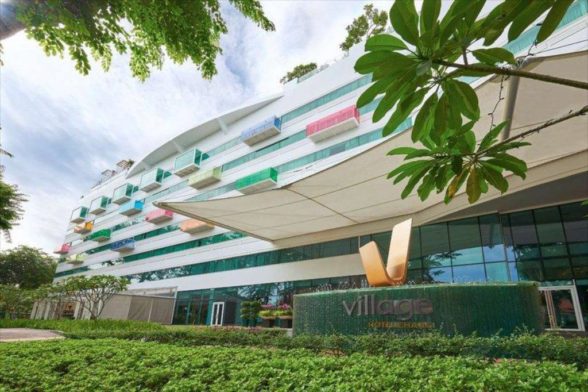
Village Hotel Changi
1 Netheravon Road,
Singapore 508502
Nestled in idyllic Changi Village on the eastern side of Singapore, Village Hotel Changi is truly a breath of fresh air from the usual city hotels.
Flight Safety Foundation and Singapore Aviation Academy have reserved a block of sleeping rooms (single or double occupancy) at The Village Hotel, Changi for conference participants at a special group rates of the following:
- s$190.00 per room per night inclusive of one buffet breakfast & Internet (Single)
- s$210.00 per room per night inclusive of two buffet breakfast & Internet (Double/Twin)
Please fill out the reservation form and email it to vivikusu@fareast.com.sg and sharifahn@fareast.com.sg to confirm hotel reservation.
PLEASE NOTE: Flight Safety Foundation does not work with any third parties for hotel reservations, and no company should be contacting you to solicit hotel reservations. Should you be contacted by any third-party housing companies, please note that they are not affiliated, authorized or recommended by FSF. If you are contacted, please contact us right away. All hotel reservations should be made by you directly with the hotel, per the instructions on this page.
Airport Travel Information
The hotel provides complimentary shuttle service. The shuttle service connects you seamlessly between the hotel and the airport. Please click here to view the service schedule.
Village Hotel Changi 1 Netheravon Road, Singapore 508502, Singapore
* PLEASE NOTE: Flight Safety Foundation does not work with any third parties for hotel reservations, and no company should be contacting you to solicit hotel reservations. Should you be contacted by any third-party housing companies, please note that they are not affiliated, authorized or recommended by FSF.
Header introducing section
we look forward to seeing you there!
Questions? Contact: events@webdeva.flightsafety.org