
These documents are in Adobe® Portable Document Format (PDF) and require a copy of Adobe Reader® to view them. If you do not have a copy of Adobe Reader, you can download and install a free copy from Adobe.
November–December 1999
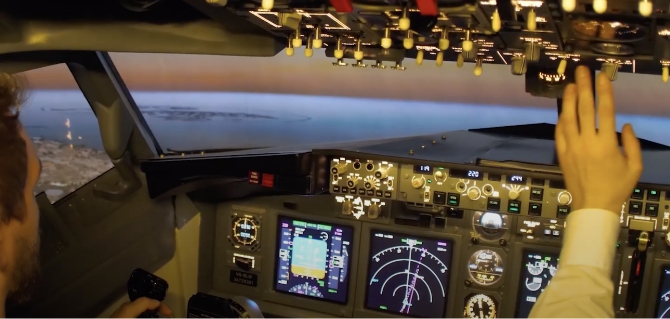
Darkness Increases Risks of Flight 8 pages. [PDF 87K]
Human perceptual limitations are blamed for specific types of accidents that are more likely to occur in darkness than in daylight. Special hazards associated with night flying continue to cause accidents despite efforts to inform pilots of the risks.
September–October 1999
Laser Eye Surgery Gains Popularity Among Nearsighted Pilots Seeking Better Vision 4 pages. [PDF 240K]
New techniques to reshape the cornea are giving most patients 20/20 eyesight. The U.S. Federal Aviation Administration is issuing medical certificates to pilots who have undergone the procedures, but the agency has questions about long-term side effects.
July–August 1999
Medical Advances Enable FAA to Grant More Discretionary Medical Certificates to Pilots 12 pages. [PDF 85K]
The U.S. Federal Aviation Administration updates standards for discretionary medical certification that recognize improvements in medical diagnoses and treatments. This enables some professional pilots who develop an otherwise disqualifying health condition to resume their careers. Nevertheless, assessment of a pilot’s attitude and compliance with health-care recommendations significantly affects the FAA’s decision to grant discretionary issuances.
May–June 1999
Vitamins and Minerals Are Important For Crewmember Health, But More Is Not Necessarily Better 6 pages. [PDF 57K]
Recommended dietary allowances have been established for all the important vitamins and minerals. Supplements may be necessary at times to fill a deficit caused by eating less than ideally nourishing meals. Nevertheless, dosages far in excess of
the standard recommendations are of questionable value and may be dangerous.
March–April 1999
Managing Sleep for Night Shifts Requires Personal Strategies 12 pages. [PDF 93K]
Aviation professionals — pilots, flight attendants, maintenance technicians, air traffic control personnel and others — can adopt sound sleep practices to counteract sleepiness at work, improve performance and reduce safety risks by understanding factors that affect human ability to sleep during the day and to work at night.
January–February 1999
Vision-reducing Cataracts Can Be Counteracted Through Precautions and Surgery 4 pages. [PDF 40K]
Cataracts cloud the eyes’ lenses and can cause a number of symptoms that degrade vision. Although precautions can reduce the likelihood of developing cataracts or delay their onset, there is no absolute means of prevention. But even fully
developed cataracts can be overcome by a relatively simple surgical procedure.