
5 SESSIONS
Safety Leadership during Crisis: How Can We Emerge Stronger?
Safeguarding Public Health and Restarting Aviation: A Medical Perspective
Aviation Mental Health and Human Factors
Automation in the Flight Deck: Bane or Boon
Data Analytics
Safety Leadership during Crisis: How Can We Emerge Stronger?
Safeguarding Public Health and Restarting Aviation: A Medical Perspective
Aviation Mental Health and Human Factors
Automation in the Flight Deck: Bane or Boon
Data Analytics
Any aviation professional involved in flight operations, or those with safety functions and decision-making from:


Safety Leadership during Crisis: How Can We Emerge Stronger?
Safeguarding Public Health and Restarting...

Safety Leadership during Crisis: How Can We Emerge Stronger?
Safeguarding Public Health and Restarting...

Safety Leadership during Crisis: How Can We Emerge Stronger?
Safeguarding Public Health and Restarting...
March 23, 2021
Day 1 – Overcoming the COVID-19 Pandemic
1:00 – 1:15 p.m. | Welcome and Opening Remarks
Speakers:
1:15 – 1:45 p.m. | Keynote Address
Speaker:
1:45 – 2:00 p.m. | Break
2:00 – 3:00 p.m. | Session 1 – Panel Discussion: Safety Leadership During Crisis – How Can We Emerge Stronger?
The COVID-19 pandemic has had a dramatic impact on aviation globally. The worldwide spread of COVID-19, the introduction of border control measures and a sharp plunge in air travel calls for safety leadership to ensure a safe aviation restart, strengthen capabilities and build resilience against future crises. The actions of aviation safety leaders will affect safety levels in the new normal. In this session, you will gain an appreciation of the qualities of safety leadership and the actions that leaders should consider as the industry recovers and prepares to thrive.
Moderator:
Panelists
March 24, 2021
Day 2 – Aviation Mental Health and Human Factors
1:00 – 1:30 p.m. | Keynote Address
Speaker:
1:30 – 1:45 p.m. | Break
1:45 – 3:00 p.m. | Session 2 – Panel Discussion: Aviation Mental Health and Human Factors
The importance of managing flight crew mental health was thrust to the forefront of aviation safety after the crash of LAM Flight 470 and Germanwings Flight 9525. The mental health of flight crew, and its potential impact on flight safety, must be a priority for the international aviation community. The COVID-19 pandemic has introduced a host of challenges, including job insecurity, and changes in team dynamics, routines and roles, that may introduce new stresses that may affect mental health. State civil aviation authorities and airlines have introduced Peer Support Programme (PSP) and Human Intervention Motivation Studies (HIMS) to help those who are affected so they may continue to perform their duties in a safe manner. Despite rapid gains in technology, humans are ultimately responsible for ensuring operational success and safety in the aviation industry. A sound scientific basis is necessary for assessing human performance implications in design, training, and procedures to continue to improve aviation safety. In this session, speakers will discuss an overview of aviation mental health issues and various human factors initiatives and developments.
Moderator:
Panelists:
March 25, 2021
Day 3 – Automation in the Flight Deck
1:00 – 1:30 p.m. | Keynote Address
Speaker:
1:30 – 1:45 p.m. | Break
1:45 – 3:00 p.m. | Session 3 – Panel Discussion: Automation in the Flight Deck – Bane or Boon?
Pilots operating modern aircraft depend on automation for safe, efficient, and effective operation. However, recent accidents are a reminder that automation may work against us and result in the aircraft entering a state where it cannot return to safe flight. Automation is meant to reduce workload, so the pilot may focus on other important tasks, but poorly designed automation may result in the pilot losing her or his situational awareness and creates a huge increase in workload if it fails to work as designed. Are we in an era of automation dependency? Are we able to fully control an aircraft safely should some critical automation system fail? In this session, you will gain an appreciation of the benefits and challenges of automation on the flight deck and how we can continue to ensure aviation safety.
Moderator:
Panelists:
Prerecorded Sessions
1 hour | Session 4 – Panel Discussion: Data Analytics
By 2025, more than 38,000 new aircraft will be in operation worldwide, producing many times more data than the previous generation aircraft. The proliferation of sensors on modern aircraft has led to a 60-fold increase in the number of aircraft parameters collected from each flight. To leverage the vast amount of data, the aviation community needs to be equipped with the necessary technology, knowledge, and processes to efficiently generate insights and formulate actions to enhance safety. In this session, we will examine how the aviation community can utilize data analytics to ensure safer skies.
Moderator:
Panelists:
1 hour | Session 5 – Panel Discussion: Safeguarding Public Health and Restarting Aviation: A Medical Perspective
Unfortunately, our systems of transportation combined with our global social connections have enabled the rapid spread of COVID-19. Even when there seems to be a respite, States are hit by subsequent waves of infections. To curb the spread of COVID-19, governments have implemented border control measures that have had an unprecedented effect on aviation. What have we learned from the COVID-19 pandemic so far? If the aviation industry could re-do everything, would we have handled the pandemic differently? In this session, you will hear about the lessons learned from COVID-19 from a medical perspective and consider what the aviation community could have done and can do differently for future pandemics to minimize the impact to aviation and aviation safety.
Moderator:
Panelists:
This event will be held on the GoToWebinar platform. Please make sure your computer/device is equipped with GoToWebinar capabilities prior to the start of the event.
When registering, you will be re-routed to the GoToWebinar and your payment will be processed by a third-party platform, Stripe. Your receipt for the event will come through Stripe, but your confirmation for the event will come through GoToWebinar. Please reach out to Events@flightsafety.org if you did not receive either confirmation.
Once registered, the link provided is specific to you only. Please do not share with others.
MEMBERS – Get your discount code here.
Not sure if you’re a member? Check out the directory here! If you need assistance, please contact: membership@flightsafety.org.
GROUPS – Group registrations from the same company will receive 1 free registration for every 4 paid registrants.
INVOICING – please email events@flightsafety.org and include the following:
1. Company Name
2. Billing Address
3. Member Status
4. Number of Registrants
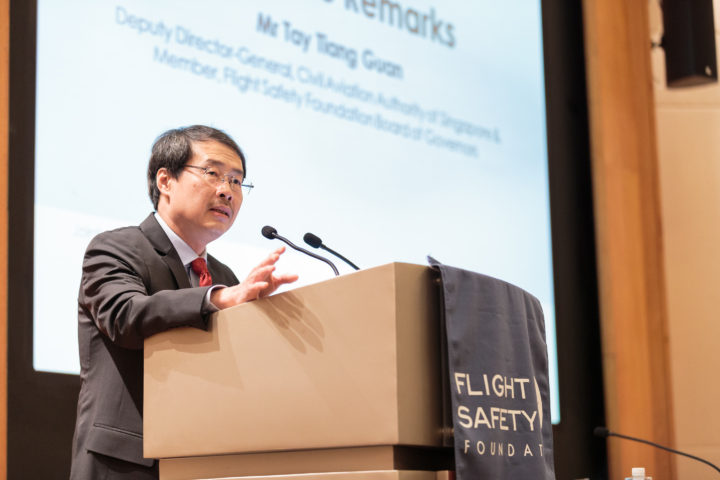
March 23, 2021
Day 1 – Overcoming the COVID-19 Pandemic
1:00 – 1:15 p.m. | Welcome and Opening Remarks
Speakers:
1:15 – 1:45 p.m. | Keynote Address
Speaker:
1:45 – 2:00 p.m. | Break
2:00 – 3:00 p.m. | Session 1 – Panel Discussion: Safety Leadership During Crisis – How Can We Emerge Stronger?
The COVID-19 pandemic has had a dramatic impact on aviation globally. The worldwide spread of COVID-19, the introduction of border control measures and a sharp plunge in air travel calls for safety leadership to ensure a safe aviation restart, strengthen capabilities and build resilience against future crises. The actions of aviation safety leaders will affect safety levels in the new normal. In this session, you will gain an appreciation of the qualities of safety leadership and the actions that leaders should consider as the industry recovers and prepares to thrive.
Moderator:
Panelists
March 24, 2021
Day 2 – Aviation Mental Health and Human Factors
1:00 – 1:30 p.m. | Keynote Address
Speaker:
1:30 – 1:45 p.m. | Break
1:45 – 3:00 p.m. | Session 2 – Panel Discussion: Aviation Mental Health and Human Factors
The importance of managing flight crew mental health was thrust to the forefront of aviation safety after the crash of LAM Flight 470 and Germanwings Flight 9525. The mental health of flight crew, and its potential impact on flight safety, must be a priority for the international aviation community. The COVID-19 pandemic has introduced a host of challenges, including job insecurity, and changes in team dynamics, routines and roles, that may introduce new stresses that may affect mental health. State civil aviation authorities and airlines have introduced Peer Support Programme (PSP) and Human Intervention Motivation Studies (HIMS) to help those who are affected so they may continue to perform their duties in a safe manner. Despite rapid gains in technology, humans are ultimately responsible for ensuring operational success and safety in the aviation industry. A sound scientific basis is necessary for assessing human performance implications in design, training, and procedures to continue to improve aviation safety. In this session, speakers will discuss an overview of aviation mental health issues and various human factors initiatives and developments.
Moderator:
Panelists:
March 25, 2021
Day 3 – Automation in the Flight Deck
1:00 – 1:30 p.m. | Keynote Address
Speaker:
1:30 – 1:45 p.m. | Break
1:45 – 3:00 p.m. | Session 3 – Panel Discussion: Automation in the Flight Deck – Bane or Boon?
Pilots operating modern aircraft depend on automation for safe, efficient, and effective operation. However, recent accidents are a reminder that automation may work against us and result in the aircraft entering a state where it cannot return to safe flight. Automation is meant to reduce workload, so the pilot may focus on other important tasks, but poorly designed automation may result in the pilot losing her or his situational awareness and creates a huge increase in workload if it fails to work as designed. Are we in an era of automation dependency? Are we able to fully control an aircraft safely should some critical automation system fail? In this session, you will gain an appreciation of the benefits and challenges of automation on the flight deck and how we can continue to ensure aviation safety.
Moderator:
Panelists:
Prerecorded Sessions
1 hour | Session 4 – Panel Discussion: Data Analytics
By 2025, more than 38,000 new aircraft will be in operation worldwide, producing many times more data than the previous generation aircraft. The proliferation of sensors on modern aircraft has led to a 60-fold increase in the number of aircraft parameters collected from each flight. To leverage the vast amount of data, the aviation community needs to be equipped with the necessary technology, knowledge, and processes to efficiently generate insights and formulate actions to enhance safety. In this session, we will examine how the aviation community can utilize data analytics to ensure safer skies.
Moderator:
Panelists:
1 hour | Session 5 – Panel Discussion: Safeguarding Public Health and Restarting Aviation: A Medical Perspective
Unfortunately, our systems of transportation combined with our global social connections have enabled the rapid spread of COVID-19. Even when there seems to be a respite, States are hit by subsequent waves of infections. To curb the spread of COVID-19, governments have implemented border control measures that have had an unprecedented effect on aviation. What have we learned from the COVID-19 pandemic so far? If the aviation industry could re-do everything, would we have handled the pandemic differently? In this session, you will hear about the lessons learned from COVID-19 from a medical perspective and consider what the aviation community could have done and can do differently for future pandemics to minimize the impact to aviation and aviation safety.
Moderator:
Panelists:
Overall Learning Objectives: To provide a platform for discussion and sharing of insights among regulators and industry leaders in maintaining aviation safety amidst the COVID-19 pandemic and recovery efforts.

Safety Leadership during Crisis: How Can We Emerge Stronger?
Safeguarding Public Health and Restarting Aviation: A Medical Perspective
Aviation Mental Health and Human Factors
Automation in the Flight Deck: Bane or Boon
Data Analytics

Safety Leadership during Crisis: How Can We Emerge Stronger?
Safeguarding Public Health and Restarting Aviation: A Medical Perspective
Aviation Mental Health and Human Factors
Automation in the Flight Deck: Bane or Boon
Data Analytics

Safety Leadership during Crisis: How Can We Emerge Stronger?
Safeguarding Public Health and Restarting Aviation: A Medical Perspective
Aviation Mental Health and Human Factors
Automation in the Flight Deck: Bane or Boon
Data Analytics

Safety Leadership during Crisis: How Can We Emerge Stronger?
Safeguarding Public Health and Restarting Aviation: A Medical Perspective
Aviation Mental Health and Human Factors
Automation in the Flight Deck: Bane or Boon
Data Analytics
Safety Leadership during Crisis: How Can We Emerge Stronger?
Safeguarding Public Health and Restarting Aviation: A Medical Perspective
Aviation Mental Health and Human Factors
Automation in the Flight Deck: Bane or Boon
Data Analytics

Safety Leadership during Crisis: How Can We Emerge Stronger?
Safeguarding Public Health and Restarting Aviation: A Medical Perspective
Aviation Mental Health and Human Factors
Automation in the Flight Deck: Bane or Boon
Data Analytics

Safety Leadership during Crisis: How Can We Emerge Stronger?
Safeguarding Public Health and Restarting Aviation: A Medical Perspective
Aviation Mental Health and Human Factors
Automation in the Flight Deck: Bane or Boon
Data Analytics
Safety Leadership during Crisis: How Can We Emerge Stronger?
Safeguarding Public Health and Restarting Aviation: A Medical Perspective
Aviation Mental Health and Human Factors
Automation in the Flight Deck: Bane or Boon
Data Analytics
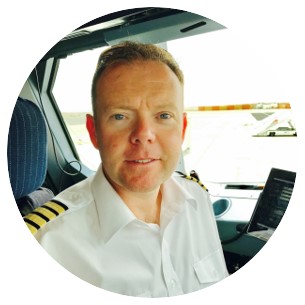
Safety Leadership during Crisis: How Can We Emerge Stronger?
Safeguarding Public Health and Restarting Aviation: A Medical Perspective
Aviation Mental Health and Human Factors
Automation in the Flight Deck: Bane or Boon
Data Analytics

Safety Leadership during Crisis: How Can We Emerge Stronger?
Safeguarding Public Health and Restarting Aviation: A Medical Perspective
Aviation Mental Health and Human Factors
Automation in the Flight Deck: Bane or Boon
Data Analytics
Safety Leadership during Crisis: How Can We Emerge Stronger?
Safeguarding Public Health and Restarting Aviation: A Medical Perspective
Aviation Mental Health and Human Factors
Automation in the Flight Deck: Bane or Boon
Data Analytics
Safety Leadership during Crisis: How Can We Emerge Stronger?
Safeguarding Public Health and Restarting Aviation: A Medical Perspective
Aviation Mental Health and Human Factors
Automation in the Flight Deck: Bane or Boon
Data Analytics
Safety Leadership during Crisis: How Can We Emerge Stronger?
Safeguarding Public Health and Restarting Aviation: A Medical Perspective
Aviation Mental Health and Human Factors
Automation in the Flight Deck: Bane or Boon
Data Analytics
Safety Leadership during Crisis: How Can We Emerge Stronger?
Safeguarding Public Health and Restarting Aviation: A Medical Perspective
Aviation Mental Health and Human Factors
Automation in the Flight Deck: Bane or Boon
Data Analytics
Safety Leadership during Crisis: How Can We Emerge Stronger?
Safeguarding Public Health and Restarting Aviation: A Medical Perspective
Aviation Mental Health and Human Factors
Automation in the Flight Deck: Bane or Boon
Data Analytics
Safety Leadership during Crisis: How Can We Emerge Stronger?
Safeguarding Public Health and Restarting Aviation: A Medical Perspective
Aviation Mental Health and Human Factors
Automation in the Flight Deck: Bane or Boon
Data Analytics
Contact Elizabeth Solorzano
All checks should be made payable and mailed to:
Flight Safety Foundation 701 N. Fairfax Street, Suite 250 Alexandria, VA 22314-2058 USA.
All sponsorships must be paid in full at the time of purchase and are non-refundable. Sponsorship confirmation and benefits will begin when full payment is received.
FSF Members: $550 Non-Members: $750




* PLEASE NOTE: Flight Safety Foundation does not work with any third parties for hotel reservations, and no company should be contacting you to solicit hotel reservations. Should you be contacted by any third-party housing companies, please note that they are not affiliated, authorized or recommended by FSF.