Search Icon

10th Annual Safety Forum

June 07-08, 2026
8:00 am - PST
< Home /Events /10th Annual Safety Forum
SAFETY FORUM 2023 THEME

10th ANNUAL SAFETY FORUM

As demonstrated by the COVID-19 crisis, aviation industry resilience and vitality are in many areas constrained by the availability of suitably trained, qualified and experienced staff. The issue affects everyone – people on the sharp end in flight operations, maintenance, ground handling, air traffic control and airport personnel, as well as managers and other personnel on the blunt end. There has also been a loss of experience through normal retirement and through redundancies where alternative employment has proved more attractive than returning to aviation. At the same time, new realities in the industry and society, including paradigms for sustainable development, technological advances, new business models and new generations are bringing new demands for particular skills and knowledge.

PHOTOGRAPHY AND FILMING

Any person who attends a Flight Safety Foundation (FSF) convention, conference, seminar or other program grants permission to FSF, its employees and agents to record his or her visual/audio images, including, but not limited to, photographs, digital images, voices, sound or video recordings, audio clips, or accompanying written descriptions, and, without notifying such person, to use his or her name and such images for any purpose of FSF, including marketing for FSF and its programs. By registering for this event, you are giving FSF permission to use your image in this way.

Register today and take part in our discussion on knowledge, skills and experience for safe operations!

Wednesday, June 7

08.30 – 10.00 | Registration and Information Desk Open

10.00 – 10.10 | Call to Order

  • Speaker:
    • Tzvetomir Blajev, Director Europe and Global Operational Safety, Flight Safety Foundation

10.10 – 10.40 | Welcome and Executive Session

  • Speakers:
    • Hassan Shahidi, President & CEO, Flight Safety Foundation
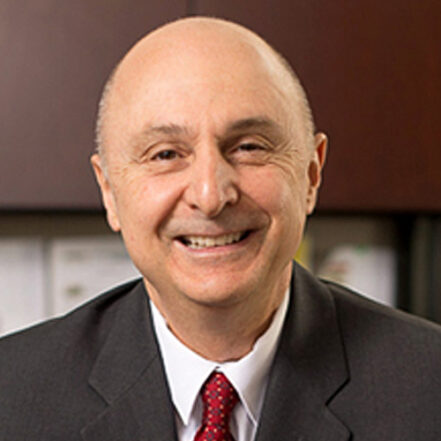
    • Raúl Medina, Director General EUROCONTROL
    • Alain Corbel, Air Safety Chair European Regions Airline Association

10.40 – 11.00 | Program Opening Address

  • Speaker:
    • Pascal Kremer, European Advisory Committee Chair, Flight Safety Foundation

11.00 – 11.15 | Break

11.15 – 12.45 | Session 1 – Institutional, Regulatory Matters and Beyond

  • Moderator:
    • Johan Glantz, European Business Aviation Association
  • Speakers:
    • Stuart Fox, IATA – Safety is About People
    • Sophie Jones, UK CAA – (Re)building Capacity and Capability: A Safety Regulators Perspective on Knowledge, Skills and Experience Challenges
    • Gunnar Steinhardt, EAAP and Pascal Kremer, Luxair – Pilot Support & Development: A Holistic Approach to Promoting (Mental) Wellbeing and Resilience
  • Panel Discussion

12.45 – 14.00 | Lunch Break

14.00 – 15.30 | Session 2 – Mental Health, Selection, Diversity

  • Moderator:
    • Dragos Munteanu, IATA
  • Speakers:
    • Jane Hoskisson, Director of Talent, Learning, Engagement and Diversity, IATA – How 25by2025 Supports Safe Operations
    • Jenny Eaglestone, Netherlands Aerospace Centre / EAAP – Can Selection Increase Safety?
    • Milena Bowman, EUROCONTROL – Team Diversity and Safety: What Has Diversity Got To Do With This?
  • Panel Discussion

15.30 – 15.50 | Break

15.50 – 16.50 | Session 3 – The Manufacturer’s Perspective

  • Moderator:
    • Ed Pooley, European Advisory Committee, Flight Safety Foundation
  • Speakers:
    • Florence Buratto and Michel Richarme, Airbus – Training for the Startle Factor
    • Christine Bohl, Boeing – CBTA Value and Challenges (The Voice of the Customer)
  • Panel Discussion

16.50 – 17.00 | Day 1 Summary and Closure

  • Speaker:
    • Dr. Julia Behrend, European Advisory Committee, Flight Safety Foundation

17.00 – 19.00 | Reception in Europa Lobby

Thursday, June 8

08.00 – 08.30 | Registration and Information Desk Open

08.45 – 09.00 | Safety Forum Award

  • Speaker:
    • Dr. Hassan Shahidi, President & CEO, Flight Safety Foundation

09.00 – 10.30 | Session 4 – Human Factors in Safety and Training

  • Moderator:
    • Harry Nelson, International Advisory Committee, Flight Safety Foundation
  • Speakers:
    • Dr. Immanuel Barshi, NASA – A Holistic Approach to Procedures
    • Jingru Yan, Air Canada – Human Factors Studies on Emerging Safety Concerns
    • Bob Simmons, Baines Simmons – Common Competences for Human-Centered Safety Performance
  • Panel Discussion

10.30 – 11.00 | Break

11.00 – 12.30 | Session 5 – Resilience and Safety Culture

  • Moderator:
    • Dai Whittingham, UK Flight Safety Committee
  • Speakers:
    • Dr. Jon Holbrook, NASA – Strategies for Improving Safety Learning
    • Max Scheck, European Cockpit Association – Pilots as Resource for System Resilience
    • Brent Curlee and Nick Peterson, American Airlines – Expanding The American Airlines’ Learning and Improvement Team Data Collection Methods
  • Panel Discussion

12.30 – 13.30 | Lunch Break

13.30 – 14.30 | Session 6 – Humans and Technology

  • Moderator:
    • Ian Goodwin, Airbus
  • Speakers:
    • Professor Guy André Boy, Air & Space Academy Fellow, Flextech Chair Holder, Paris Saclay University (Centralesupélec) and Estia Institute of Technology – Human-Machine Teaming Issues Impacting Contemporary Airspace Safety
    • Dr. Steve Hursh, IBR – Modelling the Fatigue Hazards Associated with Workload
  • Panel Discussion

14.30 – 14.50 | Conclusions Session

  • Speaker:
    • Dr. Julia Behrend, European Advisory Committee, Flight Safety Foundation
  • Closing Remarks:
    • Dr. Hassan Shahidi, President & CEO, Flight Safety Foundation
Wednesday, 6/7
8:30Am - 10:00Am
REGISTRATION AND INFORMATION DESK OPEN
10:00Am - 10:10Am
CALL TO ORDER
10:10Am - 10:40Am
WELCOME AND EXECUTIVE SESSION
10:40Am - 11:00Am
PROGRAM OPENING ADDRESS
11:00Am - 11:15Am
Break
11:15Am - 12:45Pm
SESSION 1 – INSTITUTIONAL, REGULATORY MATTERS AND BEYOND
12:45Pm - 2:00Pm
LUNCH BREAK
2:00Pm - 3:30Pm
SESSION 2 – MENTAL HEALTH, SELECTION, DIVERSITY
3:30Pm - 3:50Pm
BREAK
3:50Pm - 4:50Pm
SESSION 3 – THE MANUFACTURER’S PERSPECTIVE
4:50Pm - 5:00Pm
DAY 1 SUMMARY AND CLOSURE
5:00Pm - 7:00Pm
RECEPTION IN EUROPA LOBBY
Thursday, 6/8
8:00Am - 8:30Am
REGISTRATION AND INFORMATION DESK OPEN
8:45Am - 9:00Am
SAFETY FORUM AWARD
9:00Am - 10:30Am
SESSION 4 – HUMAN FACTORS IN SAFETY AND TRAINING
10:30Am - 11:00Am
BREAK
11:00Am - 12:30Pm
SESSION 5 – RESILIENCE AND SAFETY CULTURE
12:30Pm - 1:30Pm
LUNCH BREAK
1:30Pm - 2:30Pm
SESSION 6 – HUMANS AND TECHNOLOGY
2:30Pm - 2:50Pm
CONCLUSIONS SESSION

Join the global aviation safety community and register today!

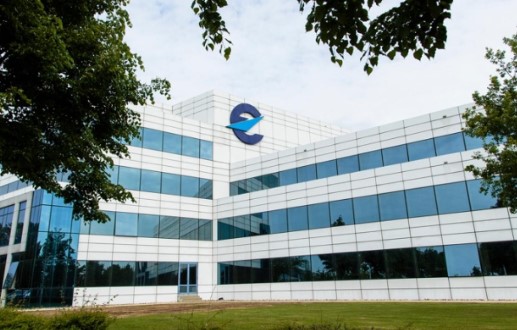
The Forum is again being co-sponsored by Flight Safety Foundation, the European Regions Airline Association and EUROCONTROL. It will take place at the EUROCONTROL Headquarters where at least 250 front-line professionals and those who train and manage them will be able to hear presentations and discuss the Safety Forum’s findings on Knowledge, Skills and Experience for Safe Operations.

Registration Fees

Early Bird Rate
Regular Rate
$75

REGISTRATION FEE

Registration for the Forum includes all continental breakfasts, lunches and breaks.
Event location: EUROCONTROL Headquarters Rue de la Fusée 96 Brussels 1130 Belgium

Register today and take part in our discussion on knowledge, skills and experience for safe operations!

Wednesday, June 7

08.30 – 10.00 | Registration and Information Desk Open

10.00 – 10.10 | Call to Order

  • Speaker:
    • Tzvetomir Blajev, Director Europe and Global Operational Safety, Flight Safety Foundation

10.10 – 10.40 | Welcome and Executive Session

  • Speakers:
    • Hassan Shahidi, President & CEO, Flight Safety Foundation
    • Raúl Medina, Director General EUROCONTROL
    • Alain Corbel, Air Safety Chair European Regions Airline Association

10.40 – 11.00 | Program Opening Address

  • Speaker:
    • Pascal Kremer, European Advisory Committee Chair, Flight Safety Foundation

11.00 – 11.15 | Break

11.15 – 12.45 | Session 1 – Institutional, Regulatory Matters and Beyond

  • Moderator:
    • Johan Glantz, European Business Aviation Association
  • Speakers:
    • Stuart Fox, IATA – Safety is About People
    • Sophie Jones, UK CAA – (Re)building Capacity and Capability: A Safety Regulators Perspective on Knowledge, Skills and Experience Challenges
    • Gunnar Steinhardt, EAAP and Pascal Kremer, Luxair – Pilot Support & Development: A Holistic Approach to Promoting (Mental) Wellbeing and Resilience
  • Panel Discussion

12.45 – 14.00 | Lunch Break

14.00 – 15.30 | Session 2 – Mental Health, Selection, Diversity

  • Moderator:
    • Dragos Munteanu, IATA
  • Speakers:
    • Jane Hoskisson, Director of Talent, Learning, Engagement and Diversity, IATA – How 25by2025 Supports Safe Operations
    • Jenny Eaglestone, Netherlands Aerospace Centre / EAAP – Can Selection Increase Safety?
    • Milena Bowman, EUROCONTROL – Team Diversity and Safety: What Has Diversity Got To Do With This?
  • Panel Discussion

15.30 – 15.50 | Break

15.50 – 16.50 | Session 3 – The Manufacturer’s Perspective

  • Moderator:
    • Ed Pooley, European Advisory Committee, Flight Safety Foundation
  • Speakers:
    • Florence Buratto and Michel Richarme, Airbus – Training for the Startle Factor
    • Christine Bohl, Boeing – CBTA Value and Challenges (The Voice of the Customer)
  • Panel Discussion

16.50 – 17.00 | Day 1 Summary and Closure

  • Speaker:
    • Dr. Julia Behrend, European Advisory Committee, Flight Safety Foundation

17.00 – 19.00 | Reception in Europa Lobby

Thursday, June 8

08.00 – 08.30 | Registration and Information Desk Open

08.45 – 09.00 | Safety Forum Award

  • Speaker:
    • Dr. Hassan Shahidi, President & CEO, Flight Safety Foundation

09.00 – 10.30 | Session 4 – Human Factors in Safety and Training

  • Moderator:
    • Harry Nelson, International Advisory Committee, Flight Safety Foundation
  • Speakers:
    • Dr. Immanuel Barshi, NASA – A Holistic Approach to Procedures
    • Jingru Yan, Air Canada – Human Factors Studies on Emerging Safety Concerns
    • Bob Simmons, Baines Simmons – Common Competences for Human-Centered Safety Performance
  • Panel Discussion

10.30 – 11.00 | Break

11.00 – 12.30 | Session 5 – Resilience and Safety Culture

  • Moderator:
    • Dai Whittingham, UK Flight Safety Committee
  • Speakers:
    • Dr. Jon Holbrook, NASA – Strategies for Improving Safety Learning
    • Max Scheck, European Cockpit Association – Pilots as Resource for System Resilience
    • Brent Curlee and Nick Peterson, American Airlines – Expanding The American Airlines’ Learning and Improvement Team Data Collection Methods
  • Panel Discussion

12.30 – 13.30 | Lunch Break

13.30 – 14.30 | Session 6 – Humans and Technology

  • Moderator:
    • Ian Goodwin, Airbus
  • Speakers:
    • Professor Guy André Boy, Air & Space Academy Fellow, Flextech Chair Holder, Paris Saclay University (Centralesupélec) and Estia Institute of Technology – Human-Machine Teaming Issues Impacting Contemporary Airspace Safety
    • Dr. Steve Hursh, IBR – Modelling the Fatigue Hazards Associated with Workload
  • Panel Discussion

14.30 – 14.50 | Conclusions Session

  • Speaker:
    • Dr. Julia Behrend, European Advisory Committee, Flight Safety Foundation
  • Closing Remarks:
    • Dr. Hassan Shahidi, President & CEO, Flight Safety Foundation
Wednesday, 6/7
8:30Am - 10:00Am
REGISTRATION AND INFORMATION DESK OPEN
10:00Am - 10:10Am
CALL TO ORDER
10:10Am - 10:40Am
WELCOME AND EXECUTIVE SESSION
10:40Am - 11:00Am
PROGRAM OPENING ADDRESS
11:00Am - 11:15Am
Break
11:15Am - 12:45Pm
SESSION 1 – INSTITUTIONAL, REGULATORY MATTERS AND BEYOND
12:45Pm - 2:00Pm
LUNCH BREAK
2:00Pm - 3:30Pm
SESSION 2 – MENTAL HEALTH, SELECTION, DIVERSITY
3:30Pm - 3:50Pm
BREAK
3:50Pm - 4:50Pm
SESSION 3 – THE MANUFACTURER’S PERSPECTIVE
4:50Pm - 5:00Pm
DAY 1 SUMMARY AND CLOSURE
5:00Pm - 7:00Pm
RECEPTION IN EUROPA LOBBY
Thursday, 6/8
8:00Am - 8:30Am
REGISTRATION AND INFORMATION DESK OPEN
8:45Am - 9:00Am
SAFETY FORUM AWARD
9:00Am - 10:30Am
SESSION 4 – HUMAN FACTORS IN SAFETY AND TRAINING
10:30Am - 11:00Am
BREAK
11:00Am - 12:30Pm
SESSION 5 – RESILIENCE AND SAFETY CULTURE
12:30Pm - 1:30Pm
LUNCH BREAK
1:30Pm - 2:30Pm
SESSION 6 – HUMANS AND TECHNOLOGY
2:30Pm - 2:50Pm
CONCLUSIONS SESSION

Dr. Hassan Shahidi

/ President and CEO
Flight Safety Foundation
As demonstrated by the COVID-19 crisis, aviation industry resilience and vitality are in many areas constrained by the availability of suitably trained, qualified and experienced staff. The issue affects everyone – people on the sharp end in flight operations, maintenance, ground handling, air traffic control and airport personnel, as well as managers and other personnel on the blunt end. There has also been a loss of experience through normal retirement and through redundancies where alternative employment has proved more attractive than returning to aviation. At the same time, new realities in the industry and society, including paradigms for sustainable development, technological advances, new business models and new generations are bringing new demands for particular skills and knowledge.

Dr. Jon Holbrook

/ Research Scientist
National Aeronautics and Space Administration (NASA)
As demonstrated by the COVID-19 crisis, aviation industry resilience and vitality are in many areas constrained by the availability of suitably trained, qualified and experienced staff. The issue affects everyone – people on the sharp end in flight operations, maintenance, ground handling, air traffic control and airport personnel, as well as managers and other personnel on the blunt end. There has also been a loss of experience through normal retirement and through redundancies where alternative employment has proved more attractive than returning to aviation. At the same time, new realities in the industry and society, including paradigms for sustainable development, technological advances, new business models and new generations are bringing new demands for particular skills and knowledge.

Dr. Julia Behrend

/ Head of Safety Research
Air France
As demonstrated by the COVID-19 crisis, aviation industry resilience and vitality are in many areas constrained by the availability of suitably trained, qualified and experienced staff. The issue affects everyone – people on the sharp end in flight operations, maintenance, ground handling, air traffic control and airport personnel, as well as managers and other personnel on the blunt end. There has also been a loss of experience through normal retirement and through redundancies where alternative employment has proved more attractive than returning to aviation. At the same time, new realities in the industry and society, including paradigms for sustainable development, technological advances, new business models and new generations are bringing new demands for particular skills and knowledge.

Mr. Tzvetomir Blajev

Regional Director /
Flight Safety Foundation
As demonstrated by the COVID-19 crisis, aviation industry resilience and vitality are in many areas constrained by the availability of suitably trained, qualified and experienced staff. The issue affects everyone – people on the sharp end in flight operations, maintenance, ground handling, air traffic control and airport personnel, as well as managers and other personnel on the blunt end. There has also been a loss of experience through normal retirement and through redundancies where alternative employment has proved more attractive than returning to aviation. At the same time, new realities in the industry and society, including paradigms for sustainable development, technological advances, new business models and new generations are bringing new demands for particular skills and knowledge.

Mr. Dragos Munteanu

/ Assistant Director of Safety and Flight Operations
International Air Transport Association (IATA)
As demonstrated by the COVID-19 crisis, aviation industry resilience and vitality are in many areas constrained by the availability of suitably trained, qualified and experienced staff. The issue affects everyone – people on the sharp end in flight operations, maintenance, ground handling, air traffic control and airport personnel, as well as managers and other personnel on the blunt end. There has also been a loss of experience through normal retirement and through redundancies where alternative employment has proved more attractive than returning to aviation. At the same time, new realities in the industry and society, including paradigms for sustainable development, technological advances, new business models and new generations are bringing new demands for particular skills and knowledge.

Bob Simmons

Co-Founder /
Baines Simmons
As demonstrated by the COVID-19 crisis, aviation industry resilience and vitality are in many areas constrained by the availability of suitably trained, qualified and experienced staff. The issue affects everyone – people on the sharp end in flight operations, maintenance, ground handling, air traffic control and airport personnel, as well as managers and other personnel on the blunt end. There has also been a loss of experience through normal retirement and through redundancies where alternative employment has proved more attractive than returning to aviation. At the same time, new realities in the industry and society, including paradigms for sustainable development, technological advances, new business models and new generations are bringing new demands for particular skills and knowledge.

Brent Curlee

Manager / Line Operations Safety Audit Programs
American Airlines
As demonstrated by the COVID-19 crisis, aviation industry resilience and vitality are in many areas constrained by the availability of suitably trained, qualified and experienced staff. The issue affects everyone – people on the sharp end in flight operations, maintenance, ground handling, air traffic control and airport personnel, as well as managers and other personnel on the blunt end. There has also been a loss of experience through normal retirement and through redundancies where alternative employment has proved more attractive than returning to aviation. At the same time, new realities in the industry and society, including paradigms for sustainable development, technological advances, new business models and new generations are bringing new demands for particular skills and knowledge.

Christine Bohl

Director, Sales / Marketing & Business Development
Boeing Global Services
As demonstrated by the COVID-19 crisis, aviation industry resilience and vitality are in many areas constrained by the availability of suitably trained, qualified and experienced staff. The issue affects everyone – people on the sharp end in flight operations, maintenance, ground handling, air traffic control and airport personnel, as well as managers and other personnel on the blunt end. There has also been a loss of experience through normal retirement and through redundancies where alternative employment has proved more attractive than returning to aviation. At the same time, new realities in the industry and society, including paradigms for sustainable development, technological advances, new business models and new generations are bringing new demands for particular skills and knowledge.

Florence Buratto

Human Factors Expert / Flight Operations & Training Policies
AIRBUS
As demonstrated by the COVID-19 crisis, aviation industry resilience and vitality are in many areas constrained by the availability of suitably trained, qualified and experienced staff. The issue affects everyone – people on the sharp end in flight operations, maintenance, ground handling, air traffic control and airport personnel, as well as managers and other personnel on the blunt end. There has also been a loss of experience through normal retirement and through redundancies where alternative employment has proved more attractive than returning to aviation. At the same time, new realities in the industry and society, including paradigms for sustainable development, technological advances, new business models and new generations are bringing new demands for particular skills and knowledge.

Gunnar Steinhardt

Aviation Psychologist (EAAP) and Human Factors Manager /
Cargolux Airlines International
As demonstrated by the COVID-19 crisis, aviation industry resilience and vitality are in many areas constrained by the availability of suitably trained, qualified and experienced staff. The issue affects everyone – people on the sharp end in flight operations, maintenance, ground handling, air traffic control and airport personnel, as well as managers and other personnel on the blunt end. There has also been a loss of experience through normal retirement and through redundancies where alternative employment has proved more attractive than returning to aviation. At the same time, new realities in the industry and society, including paradigms for sustainable development, technological advances, new business models and new generations are bringing new demands for particular skills and knowledge.

Guy André Boy

FlexTech Chair University Professor /
Centrale Supélec (Paris Saclay University)
As demonstrated by the COVID-19 crisis, aviation industry resilience and vitality are in many areas constrained by the availability of suitably trained, qualified and experienced staff. The issue affects everyone – people on the sharp end in flight operations, maintenance, ground handling, air traffic control and airport personnel, as well as managers and other personnel on the blunt end. There has also been a loss of experience through normal retirement and through redundancies where alternative employment has proved more attractive than returning to aviation. At the same time, new realities in the industry and society, including paradigms for sustainable development, technological advances, new business models and new generations are bringing new demands for particular skills and knowledge.

Immanuel Barshi

Senior Principal Investigator / Human Systems Integration Division
NASA Ames Research Center
As demonstrated by the COVID-19 crisis, aviation industry resilience and vitality are in many areas constrained by the availability of suitably trained, qualified and experienced staff. The issue affects everyone – people on the sharp end in flight operations, maintenance, ground handling, air traffic control and airport personnel, as well as managers and other personnel on the blunt end. There has also been a loss of experience through normal retirement and through redundancies where alternative employment has proved more attractive than returning to aviation. At the same time, new realities in the industry and society, including paradigms for sustainable development, technological advances, new business models and new generations are bringing new demands for particular skills and knowledge.

Jane Hoskisson

Director of Talent, Learning, Engagement & Diversity /
International Air Transport Association
As demonstrated by the COVID-19 crisis, aviation industry resilience and vitality are in many areas constrained by the availability of suitably trained, qualified and experienced staff. The issue affects everyone – people on the sharp end in flight operations, maintenance, ground handling, air traffic control and airport personnel, as well as managers and other personnel on the blunt end. There has also been a loss of experience through normal retirement and through redundancies where alternative employment has proved more attractive than returning to aviation. At the same time, new realities in the industry and society, including paradigms for sustainable development, technological advances, new business models and new generations are bringing new demands for particular skills and knowledge.

Jenny Eaglestone

Senior Consultant /
Netherlands Aerospace Centre / EAAP
As demonstrated by the COVID-19 crisis, aviation industry resilience and vitality are in many areas constrained by the availability of suitably trained, qualified and experienced staff. The issue affects everyone – people on the sharp end in flight operations, maintenance, ground handling, air traffic control and airport personnel, as well as managers and other personnel on the blunt end. There has also been a loss of experience through normal retirement and through redundancies where alternative employment has proved more attractive than returning to aviation. At the same time, new realities in the industry and society, including paradigms for sustainable development, technological advances, new business models and new generations are bringing new demands for particular skills and knowledge.

Jingru Yan

Manager / Human Factors and Performance
Air Canada
As demonstrated by the COVID-19 crisis, aviation industry resilience and vitality are in many areas constrained by the availability of suitably trained, qualified and experienced staff. The issue affects everyone – people on the sharp end in flight operations, maintenance, ground handling, air traffic control and airport personnel, as well as managers and other personnel on the blunt end. There has also been a loss of experience through normal retirement and through redundancies where alternative employment has proved more attractive than returning to aviation. At the same time, new realities in the industry and society, including paradigms for sustainable development, technological advances, new business models and new generations are bringing new demands for particular skills and knowledge.

Jon Holbrook

Scientist /
US National Aeronautics and Space Administration
As demonstrated by the COVID-19 crisis, aviation industry resilience and vitality are in many areas constrained by the availability of suitably trained, qualified and experienced staff. The issue affects everyone – people on the sharp end in flight operations, maintenance, ground handling, air traffic control and airport personnel, as well as managers and other personnel on the blunt end. There has also been a loss of experience through normal retirement and through redundancies where alternative employment has proved more attractive than returning to aviation. At the same time, new realities in the industry and society, including paradigms for sustainable development, technological advances, new business models and new generations are bringing new demands for particular skills and knowledge.

Capt. Max F. Scheck

Crew Trainer/Facilitator /
Lufthansa Flight Academy and German Airline Pilots' Association
As demonstrated by the COVID-19 crisis, aviation industry resilience and vitality are in many areas constrained by the availability of suitably trained, qualified and experienced staff. The issue affects everyone – people on the sharp end in flight operations, maintenance, ground handling, air traffic control and airport personnel, as well as managers and other personnel on the blunt end. There has also been a loss of experience through normal retirement and through redundancies where alternative employment has proved more attractive than returning to aviation. At the same time, new realities in the industry and society, including paradigms for sustainable development, technological advances, new business models and new generations are bringing new demands for particular skills and knowledge.

Michel Richarme

Flight Operations Support /
Airbus
As demonstrated by the COVID-19 crisis, aviation industry resilience and vitality are in many areas constrained by the availability of suitably trained, qualified and experienced staff. The issue affects everyone – people on the sharp end in flight operations, maintenance, ground handling, air traffic control and airport personnel, as well as managers and other personnel on the blunt end. There has also been a loss of experience through normal retirement and through redundancies where alternative employment has proved more attractive than returning to aviation. At the same time, new realities in the industry and society, including paradigms for sustainable development, technological advances, new business models and new generations are bringing new demands for particular skills and knowledge.

Milena Bowman

Executive Manager /
EUROCONTROL
As demonstrated by the COVID-19 crisis, aviation industry resilience and vitality are in many areas constrained by the availability of suitably trained, qualified and experienced staff. The issue affects everyone – people on the sharp end in flight operations, maintenance, ground handling, air traffic control and airport personnel, as well as managers and other personnel on the blunt end. There has also been a loss of experience through normal retirement and through redundancies where alternative employment has proved more attractive than returning to aviation. At the same time, new realities in the industry and society, including paradigms for sustainable development, technological advances, new business models and new generations are bringing new demands for particular skills and knowledge.

Nicholas Peterson

First Officer and Learning and Improvement Team Member /
American Airlines and Allied Pilots Association
As demonstrated by the COVID-19 crisis, aviation industry resilience and vitality are in many areas constrained by the availability of suitably trained, qualified and experienced staff. The issue affects everyone – people on the sharp end in flight operations, maintenance, ground handling, air traffic control and airport personnel, as well as managers and other personnel on the blunt end. There has also been a loss of experience through normal retirement and through redundancies where alternative employment has proved more attractive than returning to aviation. At the same time, new realities in the industry and society, including paradigms for sustainable development, technological advances, new business models and new generations are bringing new demands for particular skills and knowledge.

Capt. Pascal Kremer

Safety Manager /
Luxair S.A.
As demonstrated by the COVID-19 crisis, aviation industry resilience and vitality are in many areas constrained by the availability of suitably trained, qualified and experienced staff. The issue affects everyone – people on the sharp end in flight operations, maintenance, ground handling, air traffic control and airport personnel, as well as managers and other personnel on the blunt end. There has also been a loss of experience through normal retirement and through redundancies where alternative employment has proved more attractive than returning to aviation. At the same time, new realities in the industry and society, including paradigms for sustainable development, technological advances, new business models and new generations are bringing new demands for particular skills and knowledge.

Steven R. Hursh

President and Chief Scientist /
Institutes for Behavior Resources, Inc.
As demonstrated by the COVID-19 crisis, aviation industry resilience and vitality are in many areas constrained by the availability of suitably trained, qualified and experienced staff. The issue affects everyone – people on the sharp end in flight operations, maintenance, ground handling, air traffic control and airport personnel, as well as managers and other personnel on the blunt end. There has also been a loss of experience through normal retirement and through redundancies where alternative employment has proved more attractive than returning to aviation. At the same time, new realities in the industry and society, including paradigms for sustainable development, technological advances, new business models and new generations are bringing new demands for particular skills and knowledge.

Stuart Fox

Director of Flight & Technical Operations /
IATA
As demonstrated by the COVID-19 crisis, aviation industry resilience and vitality are in many areas constrained by the availability of suitably trained, qualified and experienced staff. The issue affects everyone – people on the sharp end in flight operations, maintenance, ground handling, air traffic control and airport personnel, as well as managers and other personnel on the blunt end. There has also been a loss of experience through normal retirement and through redundancies where alternative employment has proved more attractive than returning to aviation. At the same time, new realities in the industry and society, including paradigms for sustainable development, technological advances, new business models and new generations are bringing new demands for particular skills and knowledge.

Tzvetomir Blajev

Director Europe and Global Operational Safety /
Flight Safety Foundation
As demonstrated by the COVID-19 crisis, aviation industry resilience and vitality are in many areas constrained by the availability of suitably trained, qualified and experienced staff. The issue affects everyone – people on the sharp end in flight operations, maintenance, ground handling, air traffic control and airport personnel, as well as managers and other personnel on the blunt end. There has also been a loss of experience through normal retirement and through redundancies where alternative employment has proved more attractive than returning to aviation. At the same time, new realities in the industry and society, including paradigms for sustainable development, technological advances, new business models and new generations are bringing new demands for particular skills and knowledge.

Dr. Hassan Shahidi

/ President and CEO
Flight Safety Foundation
As demonstrated by the COVID-19 crisis, aviation industry resilience and vitality are in many areas constrained by the availability of suitably trained, qualified and experienced staff. The issue affects everyone – people on the sharp end in flight operations, maintenance, ground handling, air traffic control and airport personnel, as well as managers and other personnel on the blunt end. There has also been a loss of experience through normal retirement and through redundancies where alternative employment has proved more attractive than returning to aviation. At the same time, new realities in the industry and society, including paradigms for sustainable development, technological advances, new business models and new generations are bringing new demands for particular skills and knowledge.

Dr. Jon Holbrook

/ Research Scientist
National Aeronautics and Space Administration (NASA)
As demonstrated by the COVID-19 crisis, aviation industry resilience and vitality are in many areas constrained by the availability of suitably trained, qualified and experienced staff. The issue affects everyone – people on the sharp end in flight operations, maintenance, ground handling, air traffic control and airport personnel, as well as managers and other personnel on the blunt end. There has also been a loss of experience through normal retirement and through redundancies where alternative employment has proved more attractive than returning to aviation. At the same time, new realities in the industry and society, including paradigms for sustainable development, technological advances, new business models and new generations are bringing new demands for particular skills and knowledge.

Dr. Julia Behrend

/ Head of Safety Research
Air France
As demonstrated by the COVID-19 crisis, aviation industry resilience and vitality are in many areas constrained by the availability of suitably trained, qualified and experienced staff. The issue affects everyone – people on the sharp end in flight operations, maintenance, ground handling, air traffic control and airport personnel, as well as managers and other personnel on the blunt end. There has also been a loss of experience through normal retirement and through redundancies where alternative employment has proved more attractive than returning to aviation. At the same time, new realities in the industry and society, including paradigms for sustainable development, technological advances, new business models and new generations are bringing new demands for particular skills and knowledge.

Exhibiting at Safety Forum

Safety Forum attracts over 200 representatives from across the globe. The intimate size of both the forum and exhibit hall means greater and easier access to connect your company’s products and services with an audience of aviation safety decision makers.

Benefits

Safety Forum attracts over 200 representatives from across the globe. The intimate size of both the forum and exhibit hall means greater and easier access to connect your company’s products and services with an audience of aviation safety decision makers.

One complimentary registration per exhibit space.

Networking breaks held in the exhibit hall.

Company listing on the Forum website and in the mobile app.

Pre-conference and post-conference attendee roster. (In compliance with the PDPA Personal Data Protection Act)

As an exhibitor, you will have access to all general session programming.

Safety Forum Venue

EUROCONTROL Headquarters Rue de la Fusée 96 Brussels 1130 Belgium


Exhibitor Interest List

New exhibitor opportunities at the Forum – SPACE IS LIMITED.

Complete this form to secure a spot, or contact: Kerry Benik | benik@flightsafety.org
Network

<p>Unlike some massive tradeshows, the ‘boutique’ atmosphere of Safety Forum allows exhibitors and participants to interact in a more personal, one-on-one manner.</p>
<p>Connect with individuals from around the globe who represent the middle and upper management levels of their organizations.</p>
<p>Networking breaks in the exhibit hall to help drive traffic to your booth.</p>

Standard Booth Package

$2,500

Standard Booth Package
8' wide X 6' deep booth space
8’ high back panel
(1) 120 x 70cm high top white table
(2) Tall white chairs
Electric outlet

Venue

Rue de la Fusée 96
Brussels 1130
Belgium

* PLEASE NOTE: Flight Safety Foundation does not work with any third parties for hotel reservations, and no company should be contacting you to solicit hotel reservations. Should you be contacted by any third-party housing companies, please note that they are not affiliated, authorized or recommended by FSF.

The Organizing Committee invites submissions to present as a speaker.

The Forum is again being co-sponsored by Flight Safety Foundation, the European Regions Airline Association and EUROCONTROL. It will take place at the EUROCONTROL Headquarters where at least 250 front-line professionals and those who train and manage them will be able to hear presentations and discuss the Safety Forum’s findings on Knowledge, Skills and Experience for Safe Operations. The Forum will facilitate exchange of the industry’s best practices that can promote and improve Knowledge, Skills and Experience for Safe Operations. During breakout sessions, we will brainstorm ideas that can further improve Knowledge, Skills and Experience for Safer Operations.  
HUMANS FOR CURRENT SAFE OPERATIONS HUMANS FOR FUTURE SAFE OPERATIONS THE PATH TO DIVERSITY FOR SAFE OPERATIONS
  • Lessons taken from the COVID-19 pandemic (e.g., skill fade)
  • Dealing with staffing limitations and mitigation strategies
  • Understanding human performance and organisational factors
  • Mental health and peer support programmes
  • Understanding new technologies and industry demands
  • Updating skills and knowledge requirements in a changing industry
  • Dealing with minimum standard training and regulatory changes
  • How to attract, select and retain the right talent
  • Understanding diversity as a driver of resilience and innovation
  • Sharing practical approaches to support diversity for safe operations
  • Managing inter-generational knowledge transfer
Note: Presentation topics are not limited to the list above. If you have ideas or an innovative approach that might address any of the problems in developing and retaining knowledge, skills and experience within our industry, we would like to hear from you.

we look forward to seeing you there!

Questions? Contact: events@webdeva.flightsafety.org