Released Presentations
IASS 2018
09:30 AM – 11:00 AM EDT
MONDAY TO WEDNESDAY, NOVEMBER 12-14, 2018
Welcoming Remarks
Where have we come from and where are we going in safety and technology, where the foundation is putting its energy and what the industry is using to advance its capability.
Opening Keynote
Session I – Safety Performance – State of the World
State of the World on Safety Performance and how we are keeping the safety performance hazard and risk information protected from being used in punitive manner.Session Moderator: Capt. Bill Curtis – FSF International Advisory Committee Chair0930 – 1000 Aviation Safety 2018 – Successes and Challenges
Session I – Safety Performance – State of the World (continued)
1030 – 1100 Global Safety Report – International Air Transport Association (IATA)
1100 – 1200 Information Protection – Litigation Perspective
Session II – Achieving One Level of Safety
Achieving One Level of Safety across the airspace and operations. Examining the challenges of similar performance between Cargo and Passenger Operations, integrating UAS within the airspace and achieving the performance levels for exceeding expectations.Session Moderator: Mr. Mark Millam, Master of Ceremonies and Vice President, Technical, Flight Safety Foundation1330 – 1400 Passenger and Cargo Operations… What’s the Difference?
Session III – Safety as a Steady Investment
Return on Safety Investments – We all must spend money wisely and get the best return on our investments in safety. Where do we turn to understand short term and long-term gains?Session Moderator: Mr. Steve Doyle – The Presage Group1540– 1630 Safety Costs as an Investment
Day 2 Keynote
Session IV – Technology in Safety and Training
Technology in Safety and Training our Pilots for the best results in Operations, from eye tracking to EBT effortsSession Moderator: Mr. Sean Cassidy – FSF International Advisory Committee Member0900 – 0930 Eyes are Never Quiet – Towards Eye Tracking as a Practical Training Tool
Session IV – Maintenance and Engineering Breakout Track
Session V – Operational Risks and Hazards
Operational Risks and Hazards we can face or we all must handle day in and out
Session V – Maintenance and Engineering Breakout Track
Session Moderator: Mr. Joe Barclay – FSF Maintenance Advisory Committee Member
Session VI – Continuing Investigation Role
The accident investigation results still contribute to safety despite the industry’s excellent performance. Ideas about continued operational safety, 20 years after Swiss air accident and its impact on today’s safety, technology in aviation accidents – friend or foe?
Session VII – Airport Surface Issues
Runway safety includes both lining up and using the correct surfaces at the right time & the successful landings and takeoff operations. While it doesn’t happen often we need to safeguard against the landing or taking off in the wrong place OR not stopping when and where we need to. The incidents that have almost created an accident are as important to learn from as the accidents.
Session VIII – Studies in Safety: From Error to the Future
Taking a closer look behind the scenes on operations. Little Error, Big Risk: SFO Risk of Runway Overrun on Takeoff from Airport runway analysis and FOQA experiences, Advancing and Assessing Pilot Competencies with Mid-Fidelity Simulation, How will Pilots and Future Systems Interact?
Session IX – Knowledge Building and Retention
Industry Knowledge Building between stakeholders – Common Aviation Risk Models – An International Collaboration to Share Risk Knowledge, FSF safety knowledge management activities, FSF Global Safety Information Project/Program
Session X – Data Analytics and Sharing
Data Analytics and Sharing, Harnessing data analytics to discover risks threatening future operations and design mitigation plans, Data Sharing: Beyond ASAP and FOQA, Safety Performance and Analytic
Session XI – Fatigue Issues, Human Factors, and Safety Culture
Fatigue, Human Factors, and Managing Safety Culture – knowing how normal behaviors can be predictable across the population of pilots and other staff. Programs that respect the individual’s integrity and capability will help to bring out the best performance. :
Monday, 11/12
9:30Am - 9:40Am
Welcoming Remarks
9:40Am - 10:10Am
Opening Keynote
10:10Am - 10:15Am
Session I – Safety Performance – State of the World
10:15Am - 10:45Am
Session I – Safety Performance – State of the World (continued)
10:45Am - 10:55Am
Session II – Achieving One Level of Safety
10:55Am - 11:00Am
Session III – Safety as a Steady Investment
Tuesday, 11/13
8:30Am - 9:00Am
Day 2 Keynote
9:00Am - 10:00Am
Session IV – Technology in Safety and Training
8:30Am - 10:00Am
Session IV – Maintenance and Engineering Breakout Track (Willow)
10:30Am - 12:00Pm
Session V – Operational Risks and Hazards
10:30Am - 12:00Pm
Session V – Maintenance and Engineering Breakout Track (Willow)
1:30Pm - 3:00Pm
Session VI – Continuing Investigation Role
3:30Pm - 5:00Pm
Session VII – Airport Surface Issues
Wednesday, 11/14
8:30Am - 10:00Am
Session VIII – Studies in Safety: From Error to the Future
10:30Am - 12:00Pm
Session IX – Knowledge Building and Retention
1:30Pm - 3:00Pm
Session X – Data Analytics and Sharing
3:30Pm - 4:45Pm
Session XI – Fatigue Issues, Human Factors, and Safety Culture
Early bird rates end april 15 - register today!
Registration Fees
Early Bird Rate
Regular Rate
09:30 AM – 11:00 AM EDT
MONDAY TO WEDNESDAY, NOVEMBER 12-14, 2018
Welcoming Remarks
Where have we come from and where are we going in safety and technology, where the foundation is putting its energy and what the industry is using to advance its capability.
Opening Keynote
Session I – Safety Performance – State of the World
State of the World on Safety Performance and how we are keeping the safety performance hazard and risk information protected from being used in punitive manner.Session Moderator: Capt. Bill Curtis – FSF International Advisory Committee Chair0930 – 1000 Aviation Safety 2018 – Successes and Challenges
Session I – Safety Performance – State of the World (continued)
1030 – 1100 Global Safety Report – International Air Transport Association (IATA)
1100 – 1200 Information Protection – Litigation Perspective
Session II – Achieving One Level of Safety
Achieving One Level of Safety across the airspace and operations. Examining the challenges of similar performance between Cargo and Passenger Operations, integrating UAS within the airspace and achieving the performance levels for exceeding expectations.Session Moderator: Mr. Mark Millam, Master of Ceremonies and Vice President, Technical, Flight Safety Foundation1330 – 1400 Passenger and Cargo Operations… What’s the Difference?
Session III – Safety as a Steady Investment
Return on Safety Investments – We all must spend money wisely and get the best return on our investments in safety. Where do we turn to understand short term and long-term gains?Session Moderator: Mr. Steve Doyle – The Presage Group1540– 1630 Safety Costs as an Investment
Day 2 Keynote
Session IV – Technology in Safety and Training
Technology in Safety and Training our Pilots for the best results in Operations, from eye tracking to EBT effortsSession Moderator: Mr. Sean Cassidy – FSF International Advisory Committee Member0900 – 0930 Eyes are Never Quiet – Towards Eye Tracking as a Practical Training Tool
Session IV – Maintenance and Engineering Breakout Track
Session V – Operational Risks and Hazards
Operational Risks and Hazards we can face or we all must handle day in and out
Session V – Maintenance and Engineering Breakout Track
Session Moderator: Mr. Joe Barclay – FSF Maintenance Advisory Committee Member
Session VI – Continuing Investigation Role
The accident investigation results still contribute to safety despite the industry’s excellent performance. Ideas about continued operational safety, 20 years after Swiss air accident and its impact on today’s safety, technology in aviation accidents – friend or foe?
Session VII – Airport Surface Issues
Runway safety includes both lining up and using the correct surfaces at the right time & the successful landings and takeoff operations. While it doesn’t happen often we need to safeguard against the landing or taking off in the wrong place OR not stopping when and where we need to. The incidents that have almost created an accident are as important to learn from as the accidents.
Session VIII – Studies in Safety: From Error to the Future
Taking a closer look behind the scenes on operations. Little Error, Big Risk: SFO Risk of Runway Overrun on Takeoff from Airport runway analysis and FOQA experiences, Advancing and Assessing Pilot Competencies with Mid-Fidelity Simulation, How will Pilots and Future Systems Interact?
Session IX – Knowledge Building and Retention
Industry Knowledge Building between stakeholders – Common Aviation Risk Models – An International Collaboration to Share Risk Knowledge, FSF safety knowledge management activities, FSF Global Safety Information Project/Program
Session X – Data Analytics and Sharing
Data Analytics and Sharing, Harnessing data analytics to discover risks threatening future operations and design mitigation plans, Data Sharing: Beyond ASAP and FOQA, Safety Performance and Analytic
Session XI – Fatigue Issues, Human Factors, and Safety Culture
Fatigue, Human Factors, and Managing Safety Culture – knowing how normal behaviors can be predictable across the population of pilots and other staff. Programs that respect the individual’s integrity and capability will help to bring out the best performance. :
Monday, 11/12
9:30Am - 9:40Am
Welcoming Remarks
9:40Am - 10:10Am
Opening Keynote
10:10Am - 10:15Am
Session I – Safety Performance – State of the World
10:15Am - 10:45Am
Session I – Safety Performance – State of the World (continued)
10:45Am - 10:55Am
Session II – Achieving One Level of Safety
10:55Am - 11:00Am
Session III – Safety as a Steady Investment
Tuesday, 11/13
8:30Am - 9:00Am
Day 2 Keynote
9:00Am - 10:00Am
Session IV – Technology in Safety and Training
8:30Am - 10:00Am
Session IV – Maintenance and Engineering Breakout Track (Willow)
10:30Am - 12:00Pm
Session V – Operational Risks and Hazards
10:30Am - 12:00Pm
Session V – Maintenance and Engineering Breakout Track (Willow)
1:30Pm - 3:00Pm
Session VI – Continuing Investigation Role
3:30Pm - 5:00Pm
Session VII – Airport Surface Issues
Wednesday, 11/14
8:30Am - 10:00Am
Session VIII – Studies in Safety: From Error to the Future
10:30Am - 12:00Pm
Session IX – Knowledge Building and Retention
1:30Pm - 3:00Pm
Session X – Data Analytics and Sharing
3:30Pm - 4:45Pm
Session XI – Fatigue Issues, Human Factors, and Safety Culture

Mr. Mark Millam
/ VP Technical
Flight Safety Foundation
BASS 2020 Opening and Keynote Address from FAA Administrator, Steve Dickson
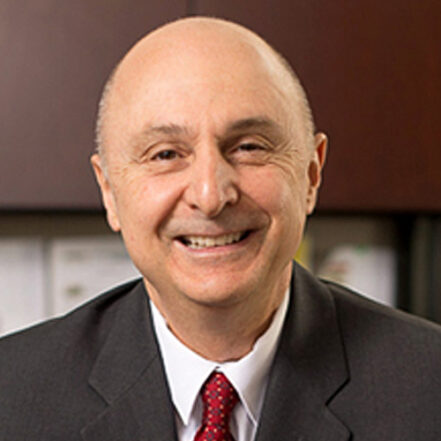
Dr. Hassan Shahidi
/ President and CEO
Flight Safety Foundation
BASS 2020 Opening and Keynote Address from FAA Administrator, Steve Dickson
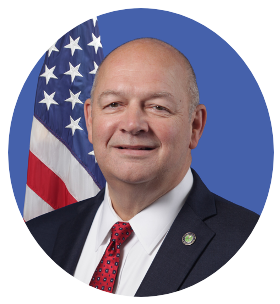
Mr. Steve Dickson
Administrator /
Federal Aviation Administration (FAA)
BASS 2020 Opening and Keynote Address from FAA Administrator, Steve Dickson
Mr. Mark Millam
/ VP Technical
Flight Safety Foundation
BASS 2020 Opening and Keynote Address from FAA Administrator, Steve Dickson
Dr. Hassan Shahidi
/ President and CEO
Flight Safety Foundation
BASS 2020 Opening and Keynote Address from FAA Administrator, Steve Dickson
Mr. Steve Dickson
Administrator /
Federal Aviation Administration (FAA)
BASS 2020 Opening and Keynote Address from FAA Administrator, Steve Dickson

Venue

* PLEASE NOTE: Flight Safety Foundation does not work with any third parties for hotel reservations, and no company should be contacting you to solicit hotel reservations. Should you be contacted by any third-party housing companies, please note that they are not affiliated, authorized or recommended by FSF.
Header introducing section
we look forward to seeing you there!
Questions? Contact: events@webdeva.flightsafety.org