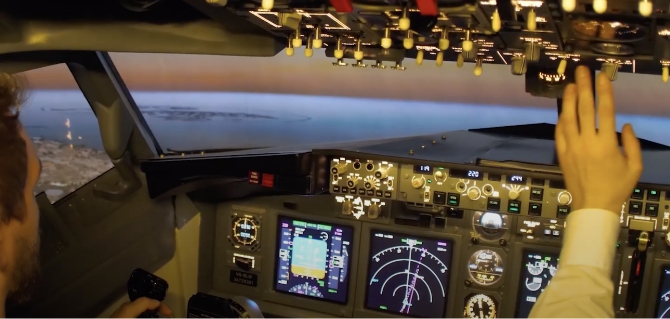

Accurate weather forecasts are crucial to the aviation industry. The greatest concern is, of course, the safety of flight crews, passengers and the aircraft they are in. The economic implications are also enormous. Knowing weather conditions at the departure and arrival locations and along the flight route is critical to an industry in which, literally, time is money. From the meteorological point of view, the needs of the aviation community have often driven advances in weather forecasting for everybody.
Aviation interests are mainly concerned with forecasts for the next day or so, the realm of the terminal aerodrome forecasts (TAFs). In terms of standard forecasting, this is considered a short-range forecast. Also, there are more weather elements of concern to pilots than those in the forecasts produced for the general population. A standard public forecast includes sky condition, precipitation, temperatures, and wind. TAFs include wind and precipitation forecasts, but also visibili…