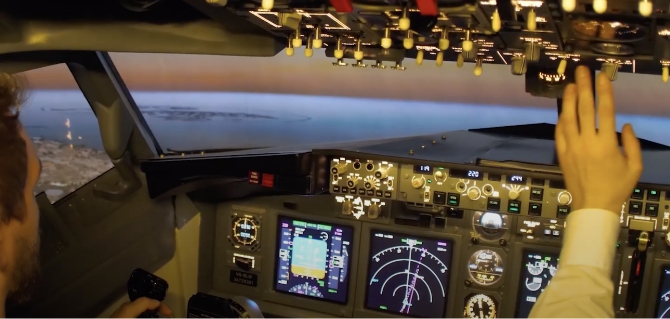
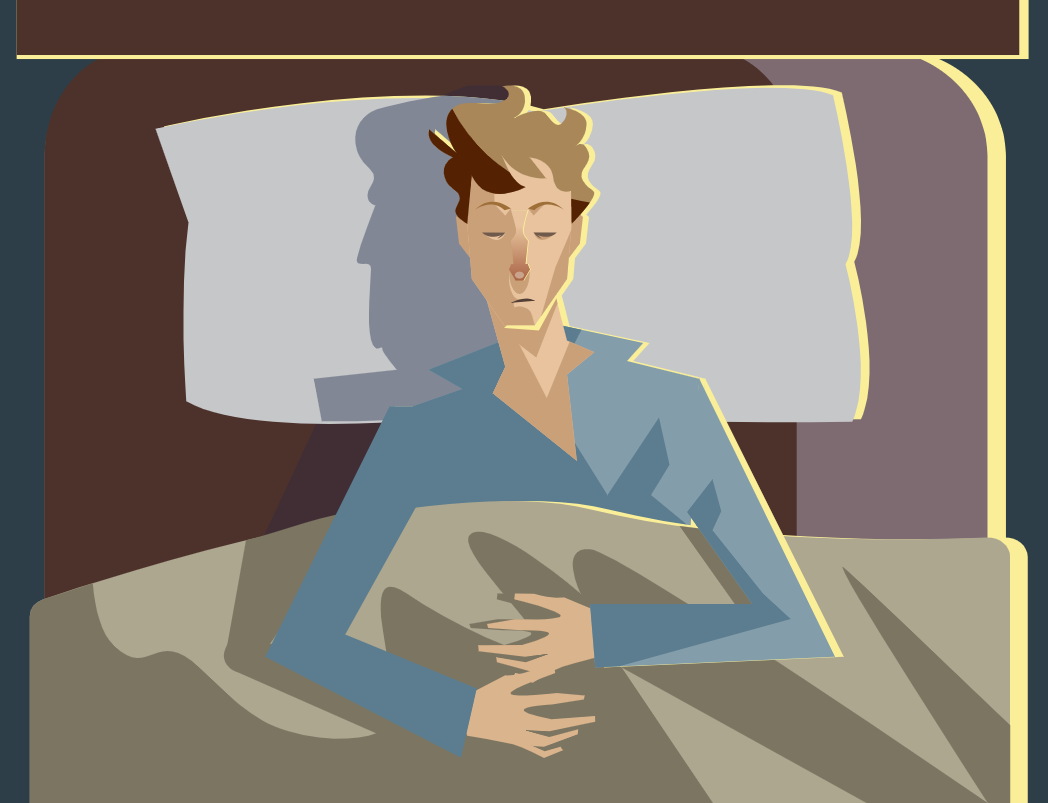
An improperly adjusted safety switch that rendered the aircraft’s pressurization system inoperative, an incorrectly wired cabin altitude warning switch that disabled a warning light and the pilot’s ineffective systems monitoring while distracted by an autopilot problem early in the flight were among the factors that led to a dangerous encounter with hypoxia, according to the Australian Transport Safety Bureau (ATSB).
Starved of oxygen during the climb to cruise altitude, the pilot’s mental functioning deteriorated to the point where he could not resolve a troubling indication on the Beech King Air C90’s cabin altimeter. As confusion mounted, he fixated on a navigation readout that he incorrectly interpreted as an indication of an unusually low groundspeed.
That mistake, however, actually saved the day: Descending to escape the perceived gale of a head wind, the pilot entered a more oxygen-rich environment, where his brain eventually began to work again.
“Had the pilot cont…