
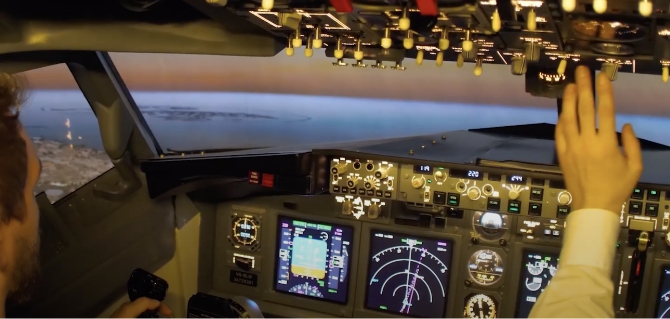
In the early days of commercial flight, working as an airline pilot was dangerous. Aircraft were not the safest machines to operate, mechanical difficulties were routine, and air traffic control services were almost nonexistent.
The first commercial pilots flew using instruments that were primitive by today’s standards. They flew by the strength of their own visual acumen, depending on an intimate knowledge of their flight paths that had become ingrained through will and experience.
Since the Air Line Pilots Association, International (ALPA) was formed in 1931, the aviation community has learned certain basic principles about aviation safety. One is that the most important safety assets on any airliner — cargo or passenger — are two adequately rested, fully qualified and well-trained pilots.
Airline pilots must be able to control an aircraft in a dynamic and changing environment. We routinely perform the expected — talk with air traffic control, check the current weath…