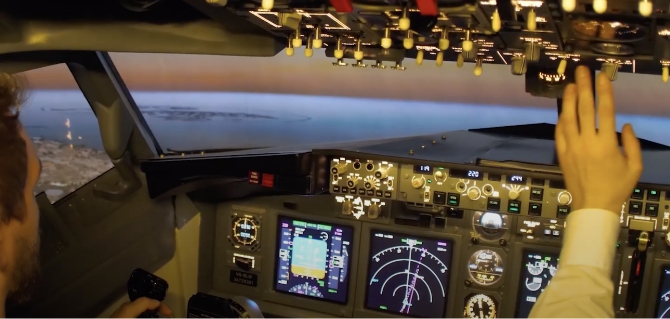
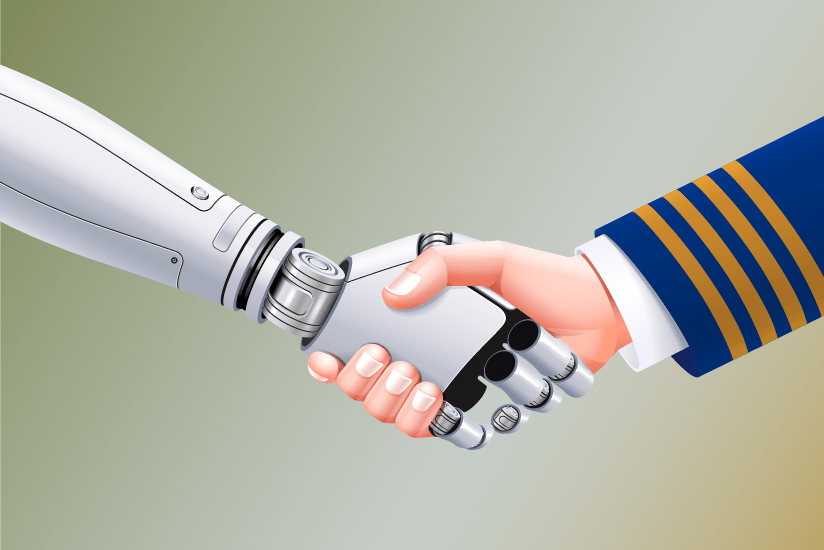
Artificial intelligence (AI)1 will play a key role in coming years in a range of applications in the aviation industry, including assisting flight crews with tasks such as optimizing flight profiles and anticipating and preventing critical problems, the European Union Aviation Safety Agency (EASA) says.
In a May 10 report, Artificial Intelligence Roadmap 2.0 (an update of another document published in 2000), EASA Executive Director Patrick Ky said AI has the “potential to transform the world of aviation” by allowing for the creation of “intelligent systems that can provide advanced assistance solutions to human end users, optimise aircraft performance, improve air traffic management [ATM] and, in turn, enhance safety in ways that were previously unimaginable.”
Those benefits, however, are accompanied by new challenges, Ky sa…