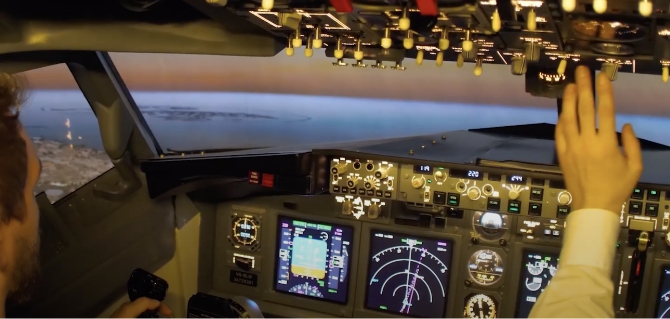
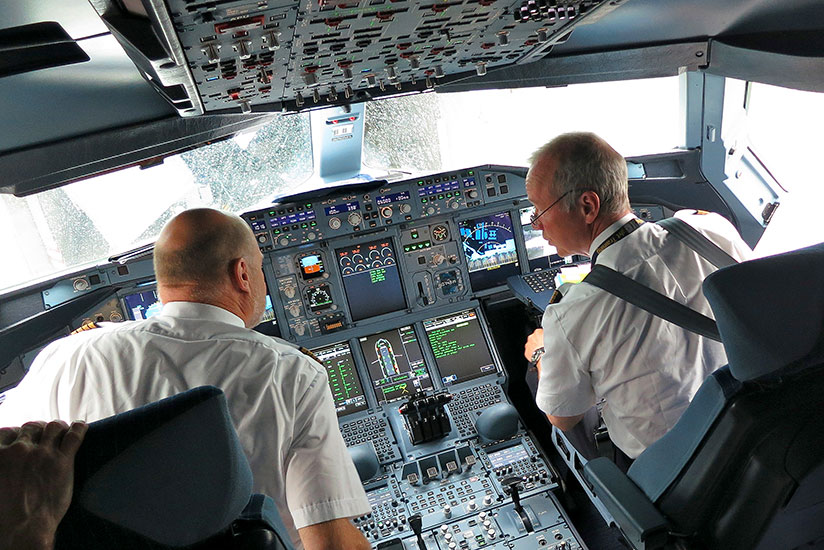
Image: © Steve Jurvetson | Wikimedia CC-BY 2.0
From flight management computers that precisely calculate optimal routes to enhanced ground-proximity warning systems (EGPWS) that prevent terrain collisions, software has become a key enabler of the safety of air operations. This growing dependence on digital systems requires the same level of reliability and safety assurance that applies to hardware systems.
Unlike mechanical components that fail predictably through wear and fatigue, software presents a fundamentally different risk profile. It does not degrade over time, but it can harbor latent defects that manifest only under specific, rare conditions. This reality requires aircraft operators to treat software as an important item of continuing airworthiness management. Moreover, as artificial intelligence (AI…