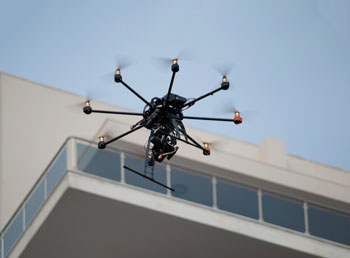
It is difficult to imagine how the U.S. aviation landscape will look in 20 years assuming the introduction, beginning in 2015, of commercial remotely piloted aircraft (RPA) — also known as unmanned aircraft systems, or UAS — into the National Airspace System under anticipated regulations. It is critical, however, that aviation professionals examine this new paradigm and what it will take to make this transition safely and efficiently. A synergistic relationship between the technology and systems, and the new breed of pilot and crew, is essential to ensuring that both the flying and non-flying public feel that the skies remain safe.
Just as the complex software and hardware systems integrated into today’s aircraft, both manned and remotely piloted, must adhere to the applicable aerodynamics, both types of flight operations also must adhere to the fundamental tenets of responsible aviation. Pilots must understand the systems they operate both in normal and failure modes. Flight pr…