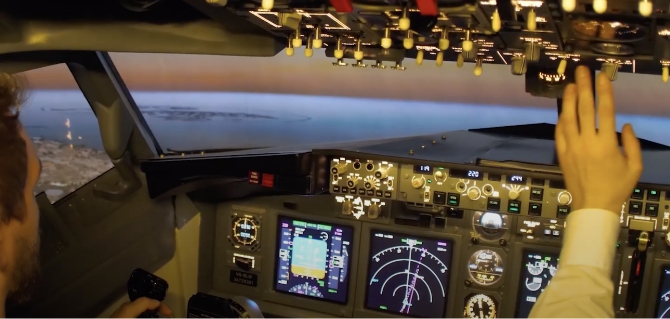

Exposure to simulated in-flight medical emergencies could help prepare medical personnel — and crewmembers — to respond appropriately to actual emergencies, according to a small study by researchers from the United States and Saudi Arabia.1
In a report published in the December issue of Aerospace Medicine and Human Performance, the researchers said that opportunities for such training are limited and suggested that medical schools could offer courses as electives, either separately or incorporated into existing classes in wilderness medicine or “austere” medicine (medicine practiced in a resource-limited environment).
The report cited recent studies that included a wide range of estimates of the frequency of in-flight medical emergencies and noted that one conclusion was that medical events occur about once in every 11,000 passengers. A small percentage of those events result in diversions to enable the patient to receiver further medical care.
Airlin…