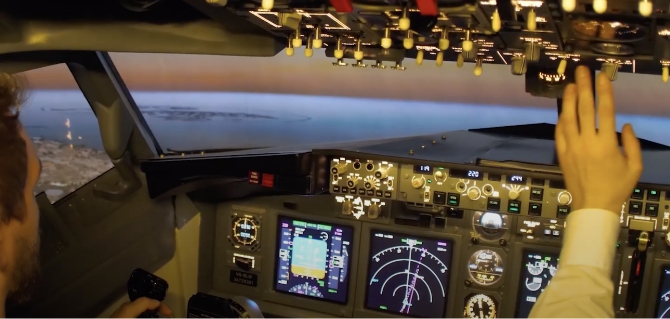

Threat forward briefings, in which pilots identify potential threats before departure and again before landing, are a creative process to operationalize the threat and error management model. Mandating the crew identification of threats through standard operating procedures (SOPs) represents an innovative approach to ensuring active engagement in real-time risk mitigation. This paper proposes an advancement of this mandated collaborative risk mitigation process, emphasizing the integration of technology in identifying threats and improving crew communication.
Threat forward briefings began to take shape in the aftermath of a 2013 fatal crash of an Airbus A300-600 freighter. The U.S. National Transportation Safety Board’s (NTSB) final report on the accident said that because the crew did not re-brief when elements of their planned approach changed, they “placed themselves in an unsafe situation because they had different expectations of how the approach would be flown.”1