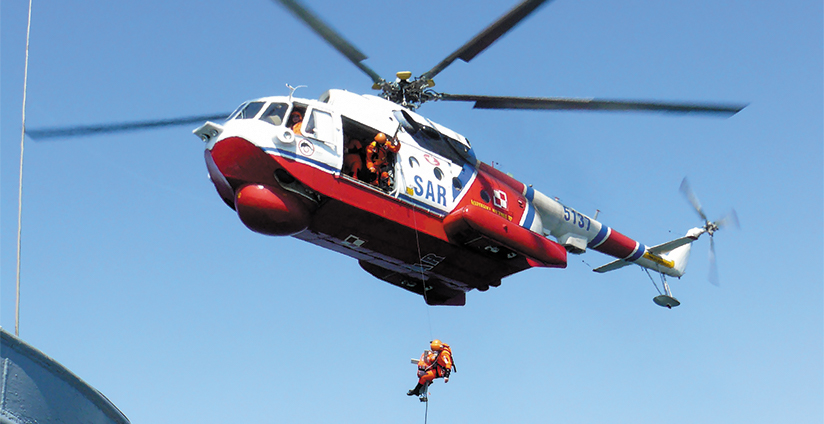
Search and rescue (SAR) has a simple, unambiguous purpose: to save lives. The service has a long record of supporting aviation by rescuing people in distress and recovering valuable safety data.
Recently, however, SAR has failed to alleviate distress and, indeed, has added to it, operationally, socially and financially. SAR must improve, and technology, training and closer regulation all have a part to play. This article addresses a critical regulatory aspect — the global organization of SAR.
The functions of SAR are to:
- Plan and coordinate aerial searches;
- Devise and coordinate rescue operations;
- Provide flight dispatch services, separation of aircraft and flow of traffic;
- Oversee the safety of operations;
- Provide medical and life support to survivors; and,
- Evacuate survivors to a place of safety.
In SAR actions of any magnitude, scarcely any state provider can act alone because few have sufficient resour…