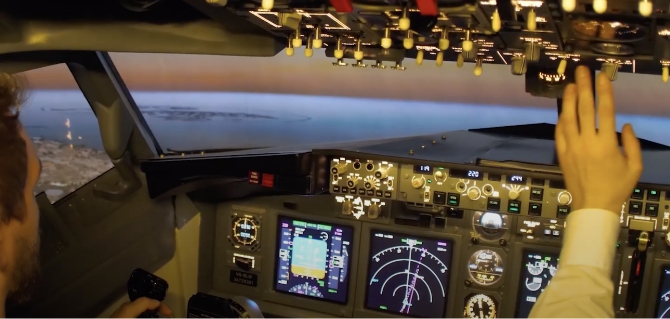
The indicated airspeed was on target, and the approach path lights showed that the airplane was just slightly high as it descended below 500 ft, the point at which the stability of a visual approach typically is judged. These indications were deceptive, however, and the flight crew did not recognize that the airspeed was decreasing rapidly and that the airplane would soon descend below the 3-degree glidepath.
There were other signs that the approach was not stabilized: The thrust levers were at idle (the engines were not spooled up properly), and the descent rate was higher than it should have been.
By the time the crew realized that a missed approach was in order, it was too late. “The airplane did not have the performance capability to accomplish a go-around,” the U.S. National Transportation Safety Board (NTSB) said in its report on the subsequent accident.
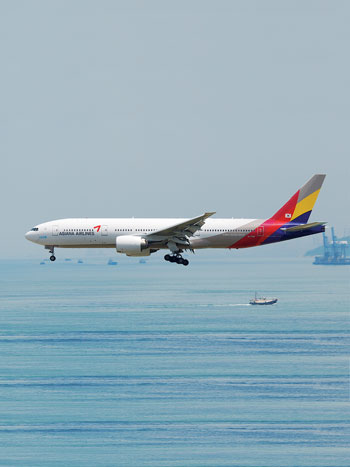
The Asiana Airlines Boeing 777-200ER clipped a seawall bordering Runway 28L at San Francisco International Airport…