
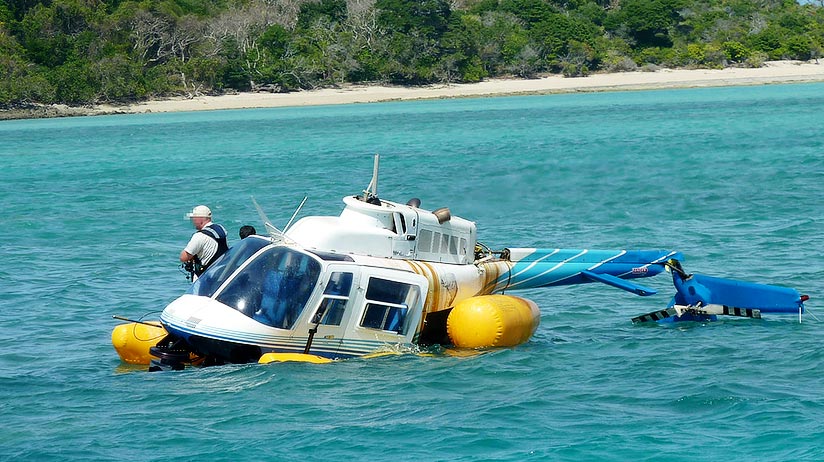
Many deaths stemming from helicopter ditchings and crashes into water in recent decades were preventable, according to a Canadian research report, which says lives could be saved if everyone boarding a helicopter for an overwater flight complied with a range of mental and physical preventive actions.1
Some of those actions include taking a preflight look around the helicopter cabin for obvious obstructions, reviewing door-jettisoning procedures, identifying the location of the life vest and — for frequent travelers — enrolling in a helicopter underwater escape course.
The report, published in the April issue of Aerospace Medicine and Human Performance, said that a review of accident data for a 50-year period found that if a helicopter landed (crashed or ditched) in water during daylight, about 25 percent of passengers and crewmembers were killed. If the accident or ditching occurred at night, the risk of death tripled, the report said.
The authors said that t…