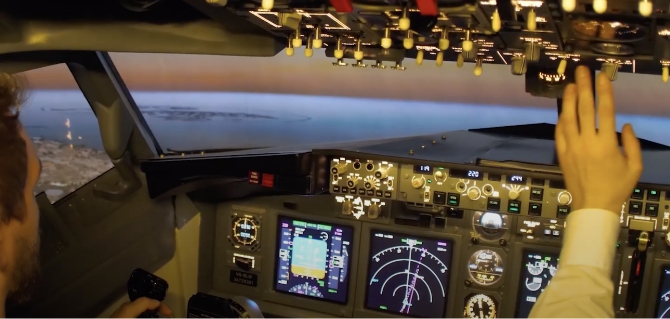
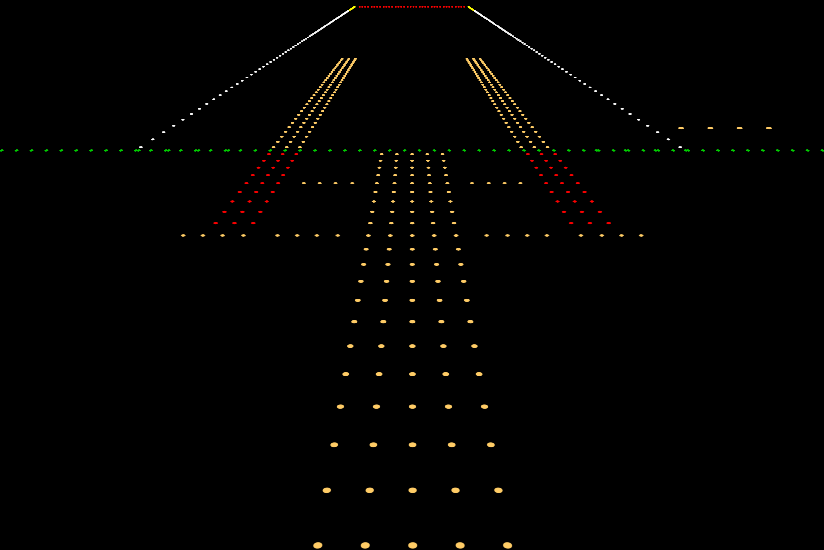
An informal review of runway veer-offs — side excursions — in conditions of reduced visibility shows that “a disproportionate number” occurred on wider-than-normal runways, especially those without centerline lighting, the Australian Transport Safety Bureau (ATSB) says.1
The ATSB’s conclusion was included in its final report on the Dec. 6, 2016, veer-off of a Virgin Australia 737-800 while landing in a nighttime rainstorm at Darwin International Airport. No one was injured in the runway excursion, and minor damage was reported to the airplane.
In its investigation, the ATSB found that the 737, after a scheduled passenger flight from Melbourne, was on approach to Darwin’s Runway 29. Thunderstorms were nearby, and the airplane flew into heavy rain before reaching the runway threshold; the 22,500-hour captain told investigators he had experienced such conditions only once in his career — about 30 years earlier on a flight into Darwin that ended in a hard lan…