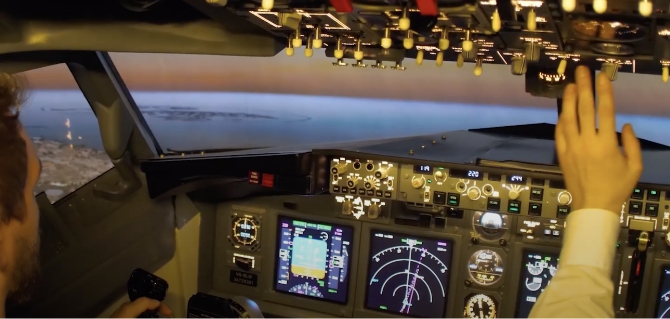
Although the actions of pilots historically have been responsible for the majority of aircraft accidents,1 most do not arise from any mental disorder. In fact, less than 0.3 percent of 2,758 fatal civil aircraft accidents in the United States during a recent 10-year period were caused by suicide, and all involved general aviation (GA) flights, not commercial airline operations.2 Instead, most accidents are caused by inadvertent errors made by flight crewmembers — errors that arise from normal physiological and psychological limitations inherent in the human condition. This article examines the role these limitations play in piloting performance and suggests strategies to help pilots minimize their influence on the flight deck.
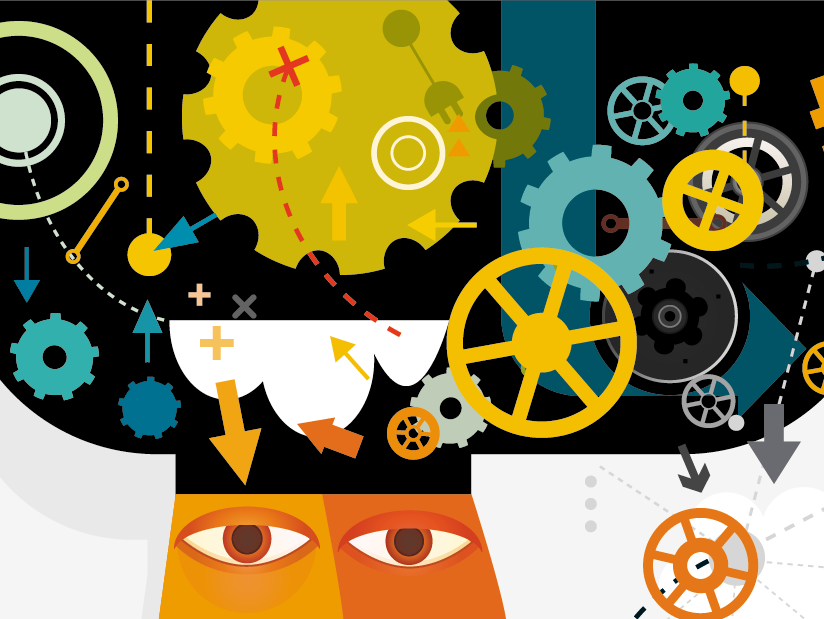
Understanding human error follows from understanding human thinking, which is primarily the domain of cognitive psychology. Using the computer as a metaphor, this approach to the study of human thought and behavior postulates that inputs …