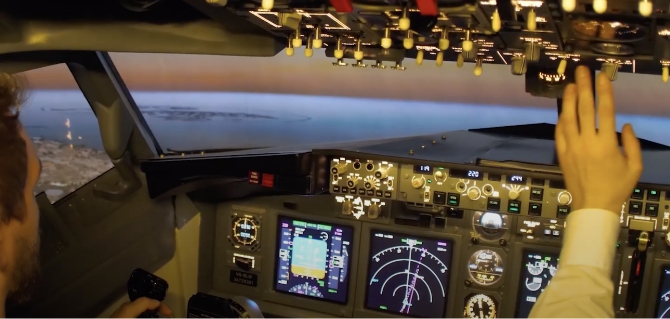

Image: gorodenkoff/iStock
The volume of global air traffic has grown substantially in recent years, with increasingly congested skies filled with more aircraft, more passengers, and new entrants (or anticipated new entrants) such as drones and electric air taxis. This surge in traffic has significantly increased the complexity and volume of data that controllers must process, requiring faster interpretation and more dynamic decision-making under pressure.
In response to these growing complexities, artificial intelligence (AI) has emerged as a promising asset in the aviation industry. While earlier applications of AI were primarily focused on cockpit automation and pilot assistance, recent developments point to significant potential within air traffic control (ATC) en…