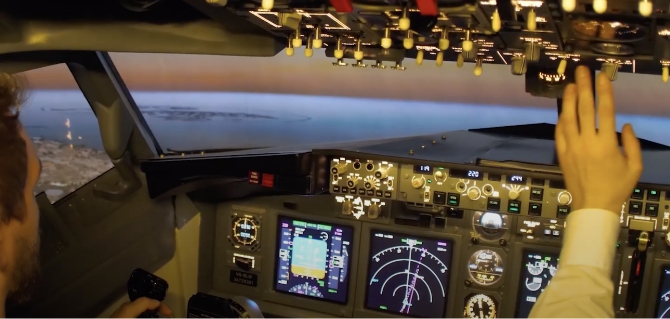
In a hard-won consensus, about 80 international specialists from 45 organizations have identified “critical” knowledge, skills and attitudes that professional pilots must have to prevent airplane upsets — their primary goal — and to recover from an inadvertent upset. In laying out a rational plan for pilot training, their evidence-based work and expertise have been a stabilizing influence in the wake of high-profile loss of control–in flight (LOC-I) accidents, several representatives told the World Aviation Training Conference and Tradeshow (WATS 2012) in April in Orlando, Florida, U.S.
This work group — the International Committee for Aviation Training in Extended Envelopes (ICATEE) of the Royal Aeronautical Society — currently is completing the last of several near-term deliverables to the global aviation community, specific civil aviation authorities and the air transport industry, according to Bryan Burks, a captain for Alaska Airlines and ICATEE member. He also is…