Aviation maintenance organizations have been slow to implement formal fatigue risk management systems (FRMS), despite their unique opportunities to employ some of the most effective types of fatigue countermeasures, according to a report by the U.S. Federal Aviation Administration (FAA) Civil Aerospace Medical Institute.1
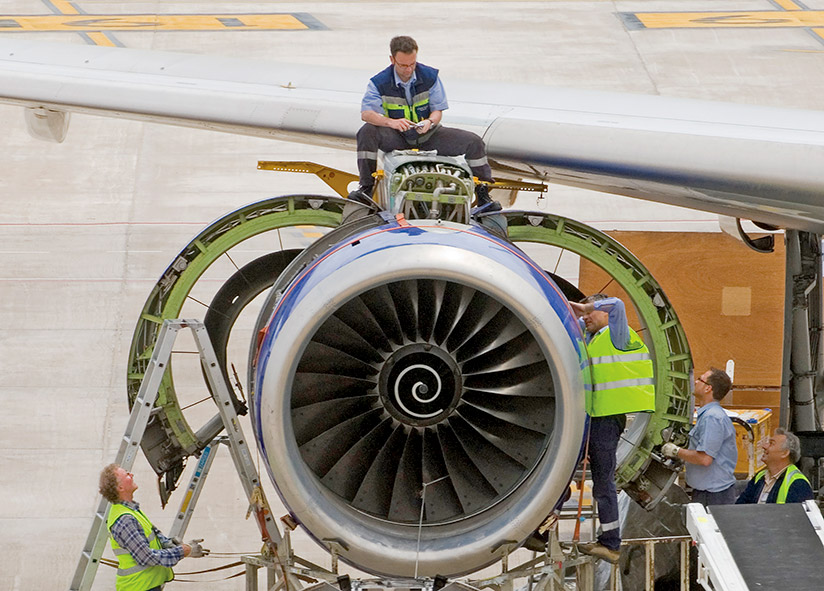
Aviation maintenance personnel work in conditions that are conducive to fatigue, often at night and with unregulated duty hours, the report said.
Rudy Quevedo, Flight Safety Foundation deputy director of technical programs and a member of the FAA Maintenance Fatigue Working Group, said airline mergers and general economic upheaval have resulted in increased stress, longer work hours and fewer opportunities for sleep for many maintenance technicians, some of whom have taken second jobs.
Quevedo, who began his career as a mechanic for Eastern Airlines, said that at times, his shift extended for 24 hours or longer, and that, when necessary, he and his colle…