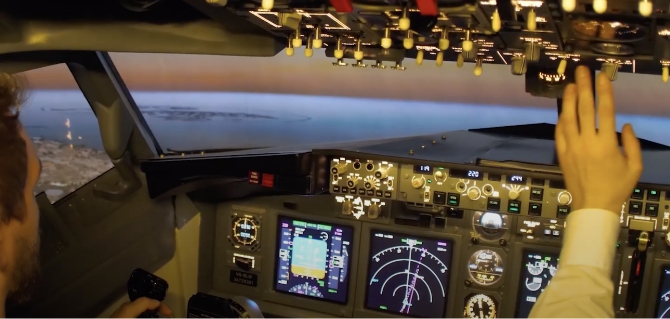

We watched in astonishment when Chesley Sullenberger in early 2009 skillfully piloted US Airways Flight 1549 to a safe landing in the Hudson River, and listened in horror a month later when we heard of Colgan Air Flight 3407 crashing into a Buffalo, New York, U.S., suburb.
Among the factors that caused one perfectly good aircraft to fall out of the sky, killing 50 people, while another very crippled aircraft made a safe water landing that resulted in only a few minor injuries, technical flying skills obviously play a major role. However, success or failure to a large degree can be linked to the captain’s ability to control his own emotions in order to think clearly, while being aware of the crew’s emotional and mental states. When the role pilots play in aircraft incidents and accidents is considered, the initial focus of the U.S. National Transportation Safety Board (NTSB) and many analysts is on the technical abilities of the pilots: When was their last recurrent training? How m…