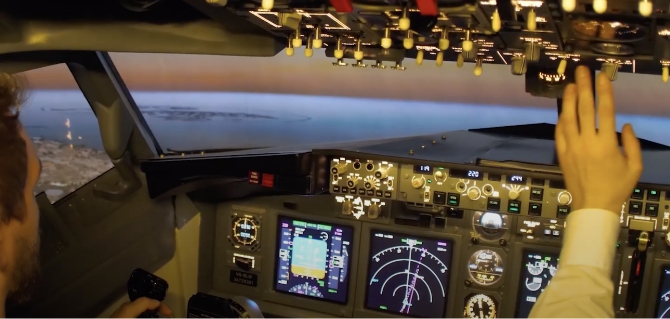
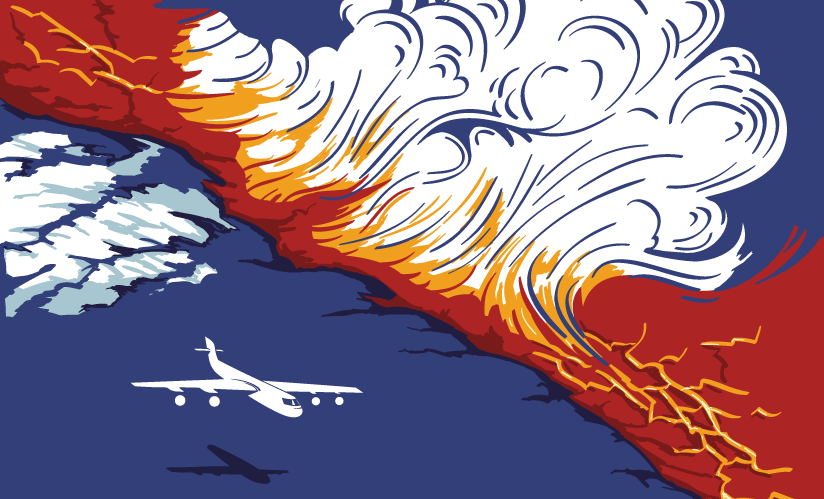
KLM Flight 867 from Amsterdam was descending about 90 miles from its destination, Anchorage, Alaska, U.S., on Dec. 15, 1989. The new Boeing 747-406 was carrying 231 passengers with a crew of 14. At Flight Level 250, approximately 25,000 ft, the aircraft entered a dark but seemingly innocuous cloud. The flight crew was unaware that this was a volcanic ash cloud emanating from the erupting Mt. Redoubt about 150 miles away. Sulfur-laden smoke filled the cockpit, and the crew donned oxygen masks and powered up to get above the cloud. But 10 to 15 seconds later, one by one, the four engines failed, as did the standby electrical system. The airplane began to lose altitude over mountainous terrain as the flight crew tried to restart the engines. After dropping more than 10,000 ft, the flight crew managed to restart the engines. The aircraft was safely landed at Anchorage International Airport.
It was later determined that volcanic glass shards had been ingested by the engines and had melted …