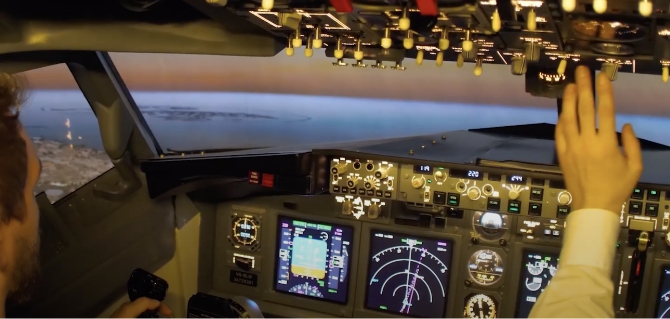
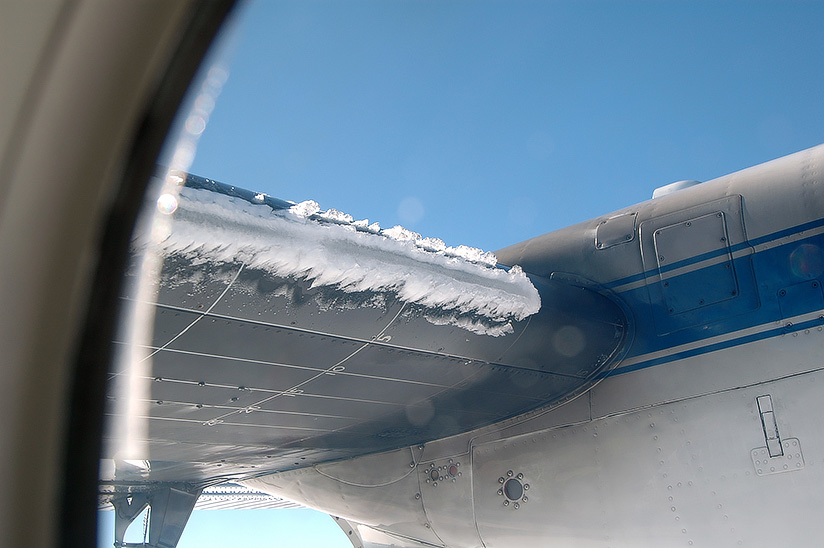
Aircraft icing occurs only in clouds that have certain properties conducive to ice formation. Ice protection systems are designed to prevent airframe ice from forming on critical surfaces such as wings and tails — or to remove it. However, if the ice protection system fails to perform its function, or if human error occurs in its operation, a hazardous flight condition can result.
The shape of ice formed on an aircraft surface depends on the interaction of cloud properties such as temperature, liquid water content and drop size. The accumulation rate and the size of the ice shape depend on these factors, and also on aircraft speed and the length of time that an aircraft spends in icing conditions. Three general ice types can result from this interaction: glaze ice (clear), rime ice (cloudy and opaque) and mixed ice (with a combination of glaze and rime characteristics; Figures 1a, 1b and 1c).1
get full access to this article by joining today
FSF Membership includes full access to the AeroSafety World, a daily publication providing our members the latest news and information in aviation safety.
Join Todaymember login
Already a member?
Please login to access this article. We appreciate your continued support of Flight Safety Foundation.