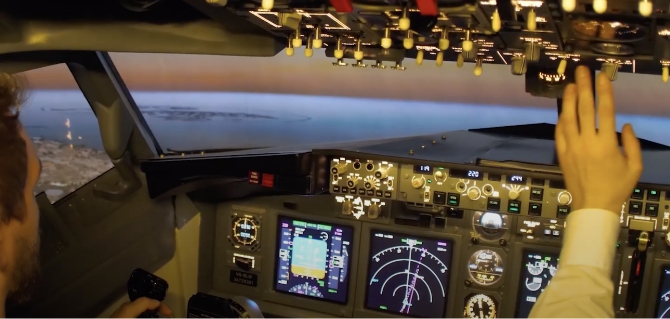
The 2015 crash of a Germanwings Airbus A320 in the French Alps focused the public’s attention on mental health in an aviation context. The co-pilot, killed along with the other 149 passengers and crew, was blamed for the crash, which the French Bureau d’Enquêtes et d’Analyses (BEA) said resulted from “the deliberate and planned action of the co-pilot, who decided to commit suicide while alone in the cockpit.”
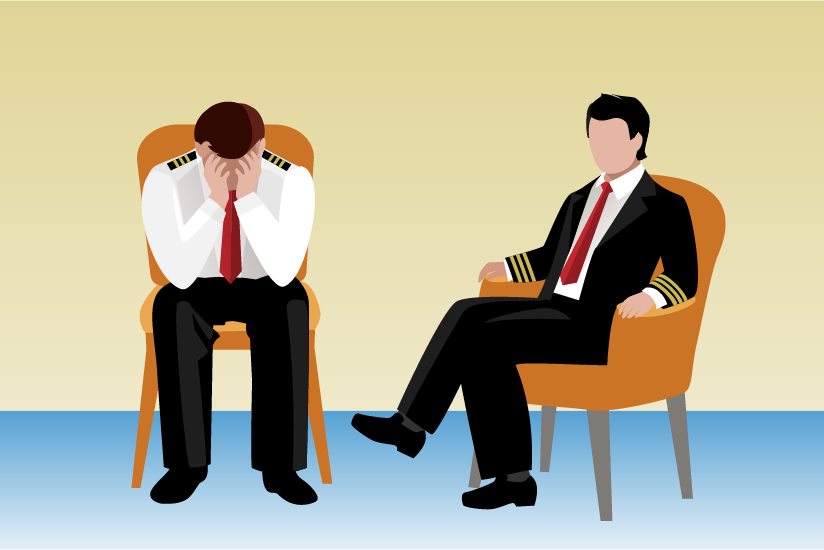
As if to underline the issue, a 2016 study found that, of 1,837 pilots responding to an online survey on mental health, over 12 percent met the threshold for depression and 4 percent reported having had suicidal thoughts.1 Such individuals often avoid seeking help because of potentially negative career impacts. One method of providing support for people with apparently intractable problems is a peer assistance network (PAN). Psychologists have identified many advantages of peer intervention, and occupational networks have been established worldwide utilizi…