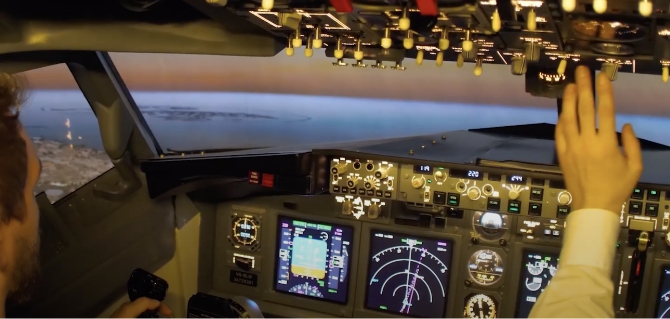

When it comes to assuring safety in business aviation, operators can become more focused on the airworthiness of the aircraft than on the cognitive health of pilots, despite estimates that about 70 percent of accidents are the result of human factors.
“Cognitive decline, most prevalent among aging pilots, is a threat to safety that is similar to fatigue and substance abuse,” says Dr. Quay Snyder, president and founder of Virtual Flight Surgeons. Like the effects of fatigue and substance abuse, cognitive deficiencies are insidious, have a substantial negative impact on performance and are hardest to identify when the crewmember is performing routine activities. One reason symptoms go unnoticed is that with practice and routine, the brain adjusts to mild to moderate cognitive impairment. In other words, normal activities can mask the severity of the deficiency.
However, if the flight crew’s routine is interrupted by an urgent or stressful situation, like an in-flight emergenc…