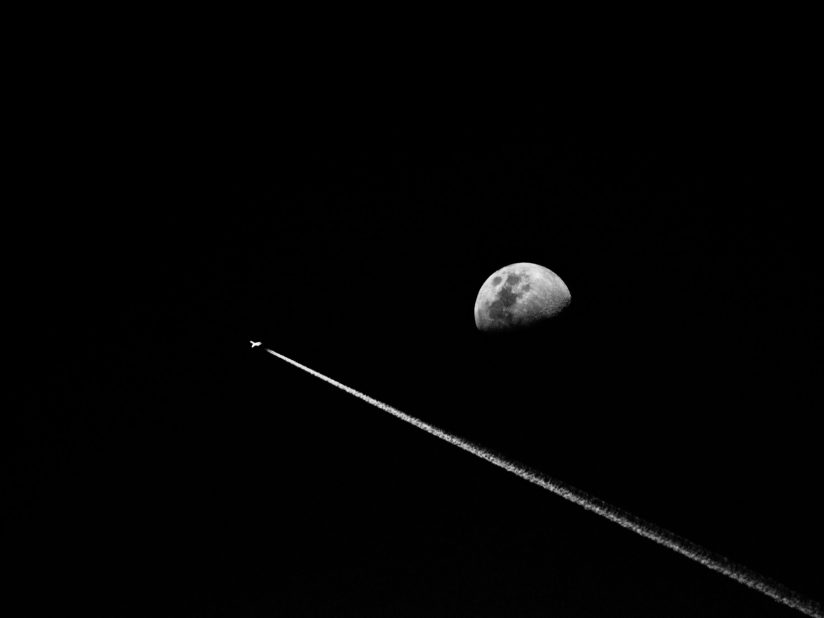
Historically, not many aircraft have flown above 60,000 ft. For the most part, the upper reaches of the atmosphere belonged to a few high-performance military aircraft, along with transiting spacecraft. Airspace that high, where the sky turns black and the horizon bends with the curvature of the earth, needed little control.
That’s about to change, and regulators in the United States and Europe are trying to prepare.
In the coming years, more aircraft will operate above 60,000 ft, in what’s officially known as “Upper Class E airspace.” Some of these aircraft will be slow or stationary. In the United States, airship operators such as the New Mexico-based Sceye hope to use what they call high-altitude platform stations (HAPS) for internet service and earth imagery.