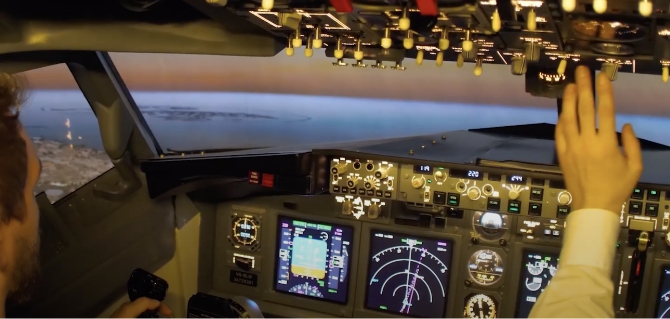

As they update pilot training over time, regional airline safety specialists can differ from their major airline counterparts in details of how they introduce operational risk mitigations, says Paul Kolisch, a captain and manager, flight operations training, Endeavor Air. Initiatives taking hold in major airlines — such as those focused on stabilized approaches; go-around decisions; aircraft state awareness; enhanced pilot monitoring; stall/upset prevention, recognition and recovery; and hand-flying skills — may require adaptations because of factors such as aircraft differences and even the ways that instructors make startle part of their line-oriented flight simulator scenarios, he said. The subject was part of his presentations to the World Aviation Training Conference and Tradeshow (WATS 2015) in Orlando, Florida, U.S., in April.
An example of major airline vs. regional airline procedural differences is the flight crews’ checklist memory item that, at the first indication …