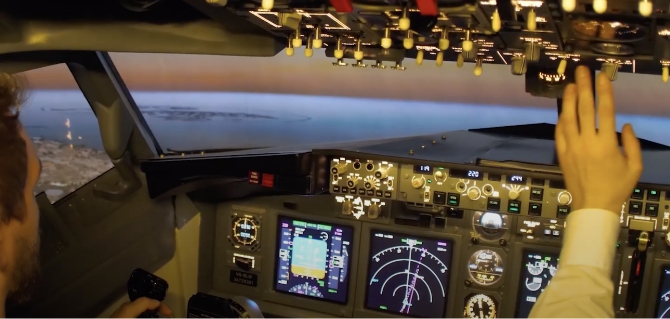
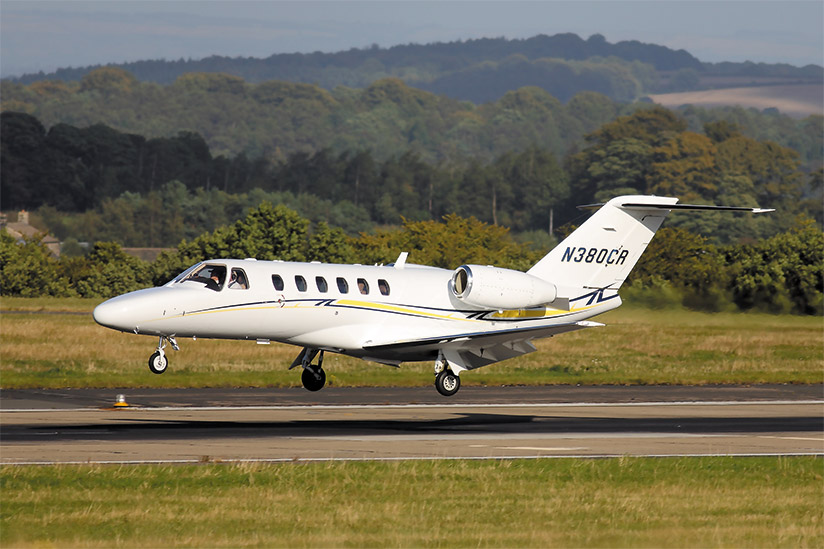
The autopilot had been engaged in the vertical speed mode for the climb, and the pilot was using a portable electronic device (PED) as the Cessna Citation CJ2+ neared the assigned cruise altitude. As a result, he did not notice that the aircraft’s airspeed had decreased and that its pitch attitude had increased significantly. The stall warning system did not provide a warning before the autopilot automatically disengaged and the Citation departed from controlled flight over central England the morning of Dec. 31, 2013.
After stalling, the aircraft rolled several times before the pilot was able to regain control, according to the accident report by the U.K. Air Accidents Investigation Branch (AAIB). Neither the pilot nor his passenger was hurt, but the Citation’s wings were substantially damaged by overload forces during the upset.
The pilot, who also owned the U.S.-registered light jet, had 3,900 flight hours, including 600 hours in type, and held both U.K. and U.S. private pilot…