This article is the fourth in a series on landmark events in aviation since Flight Safety Foundation began in 1945.
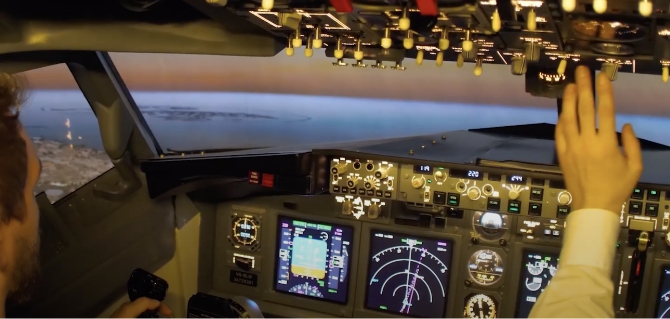
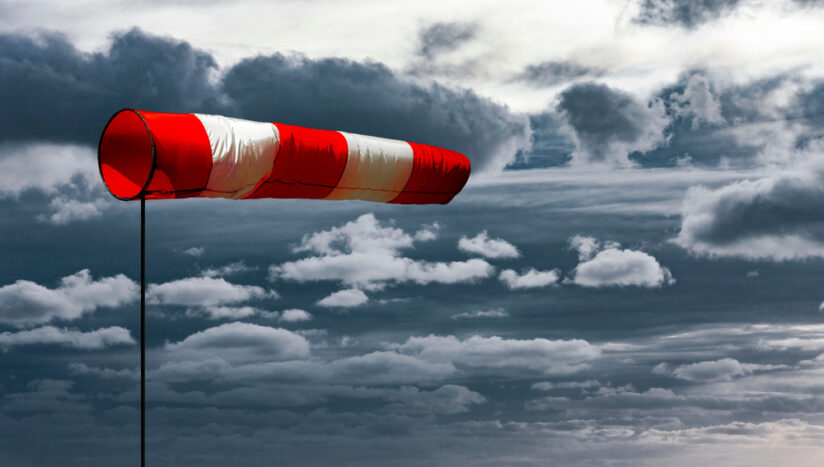
An airliner approaches a runway as rain lashes the windscreen. Turbulence rocks the wings, and precipitation static hisses on the radio. Lightning cracks in the distance. The pilots see the airspeed increase — then drop off. The vertical speed indicator shows a steep descent. An aural alert sounds: “WIND SHEAR, WIND SHEAR.”
The captain, flying the aircraft, calls, “Wind shear, max thrust.” He thumbs the go-around button, disengages the autopilot. Adds power and pitches up. Then he follows flight director guidance as the aircraft climbs away. The first officer advises the tower that the aircraft is going around due to a wind shear encounter. Another aircraft a few miles behind requests a holding pattern to wait out the dangerous winds before attempting an approach.
What might have spelled disaster turns out to be a mere incon…