Search Icon
< Home /Flight Ops /Engine In-Flight Shutdown Traced to Cleaning Process

Engine In-Flight Shutdown Traced to Cleaning Process

Oct 18, 2018
Chemical residue from a cleaning procedure led to corrosion, blade failure.

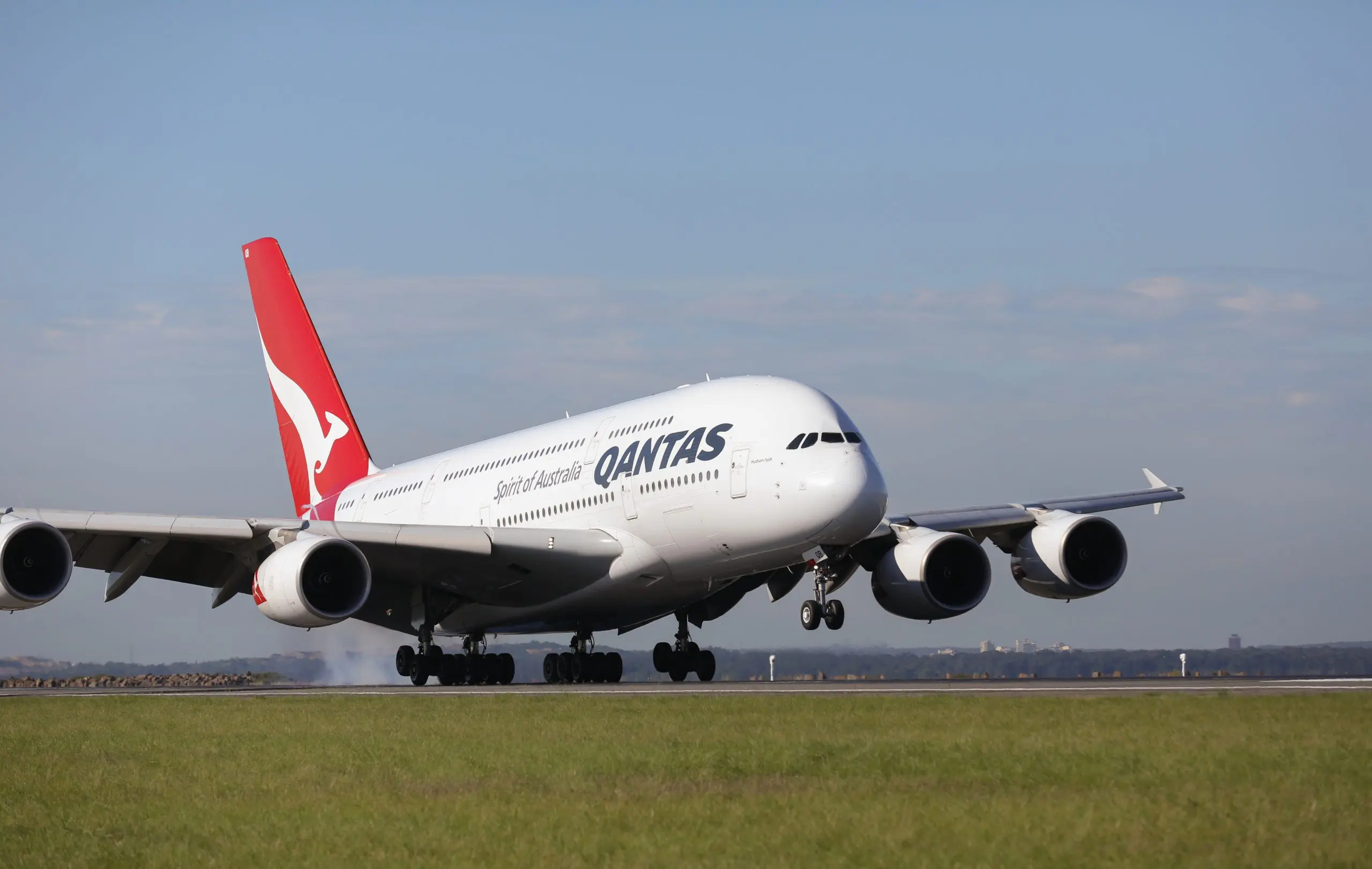
Australian investigators have traced the in-flight shutdown of a Qantas Airbus A380’s engine in May 2017 to corrosion caused by chemical residue associated with a cleaning procedure used during the powerplant’s overhaul nearly two years before the incident.

According to the Australian Transport Safety Bureau’s (ATSB’s) final report on the in-flight shutdown incident, released Thursday, internal corrosion of low-pressure turbine stage 2 (LPT2) blades resulted in fatigue failure and separation of blade debris and significant downstream damage through the Rolls-Royce Trent 900 engine. “The blade corrosion resulted from chemical residue associated with the cleaning procedure used during the last engine service,” ATSB said.

Qantas Flight QF94 was about two hours into a scheduled flight from Los Angeles International Airport (LAX) to Melbourne, Australia, and the flight crew…

* You must be an FSF Member to have full access to this article.

get full access to this article by joining today

FSF Membership includes full access to the AeroSafety World, a daily publication providing our members the latest news and information in aviation safety.

Join Today

Popular Categories

Explore Articles

ICAO Secretary General to Deliver Keynote at FSF Networking and Awards Dinner

ALEXANDRIA, Virginia — International Civil Aviation Organization (ICAO) Secretary General Juan Carlos Salazar will deliver ...

Human Factors & Aviation Medicine 2005 – 2006

These documents are in Adobe® Portable Document Format (PDF) and require a copy of Adobe Reader® to view them. If you do no...

Foundation Recognizing EUROCONTROL and Embry-Riddle With Awards

The awards will be presented June 24 at the annual Networking and Awards Dinner in Washington....

Google Ads

Related posts

View Archives

ALPA Report Rejects Single-Pilot Crew Concept

Reducing the size of airline crews to a single pilot would result in safety risks that outweigh the associated cost savings a...

ATSB Data: 417 Turboprops With Engine Problems in 5 Years

Nearly 1,900 occurrences involving technical failures on turboprop aircraft were reported to the Australian Transport Safety ...

NTSB: Better Fuel Management Could Prevent 50 GA Crashes a Year

About 50 general aviation accidents a year could be prevented if pilots were better at fuel management, the U.S. National Tra...

ATSB Opens Investigation Into AirAsia X In-Flight Engine Failure

The Australian Transport Safety Bureau (ATSB) has opened an investigation into a June 25 in-flight engine failure involving a...

Animated Guide to Avoiding Midair Collisions

The U.S. National Transportation Safety Board (NTSB) has issued a safety alert, illustrated by a series of animations, intend...

Help Us Make The Skies Safer

“For nearly 80 years, the Foundation has been a leading force in aviation safety around the world. Our work is made possible by our members. Join today to help ensure that the Foundation remains the authoritative voice on all matters pertaining to aviation safety.”

– Hassan Shahidi | President and CEO

G-R25C05ZKWX