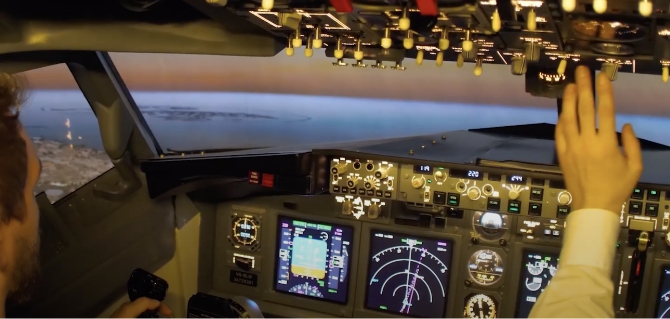
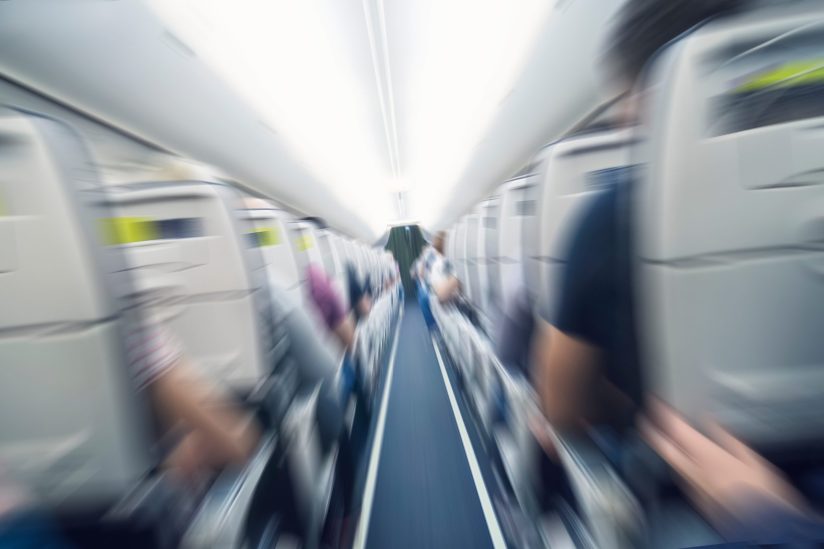
The atmosphere assaulted Singapore Airlines Flight 321.
The Boeing 777 was cruising at 37,000 ft en route from London to Singapore on May 21 when it hit what the airline described as “sudden extreme turbulence.” The aircraft dropped to 31,000 ft, and news reports quoted passengers as saying that those not belted into their seats got launched toward the ceiling. A 73-year-old British man died from what may have been a heart attack, and authorities say seven other people suffered critical injuries.
Researchers say a warming atmosphere is becoming more turbulent, and airlines, meteorologists, and regulators are working to meet the threat. Various types of turbulence can affect air travel. They include…