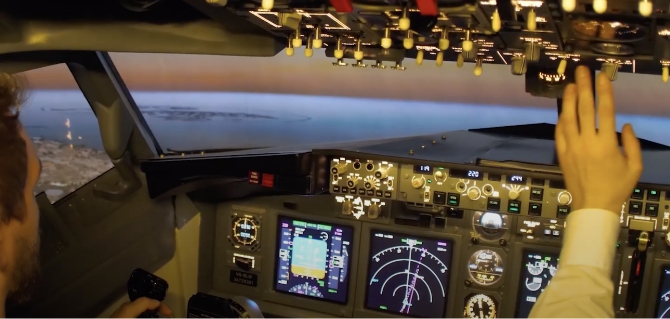
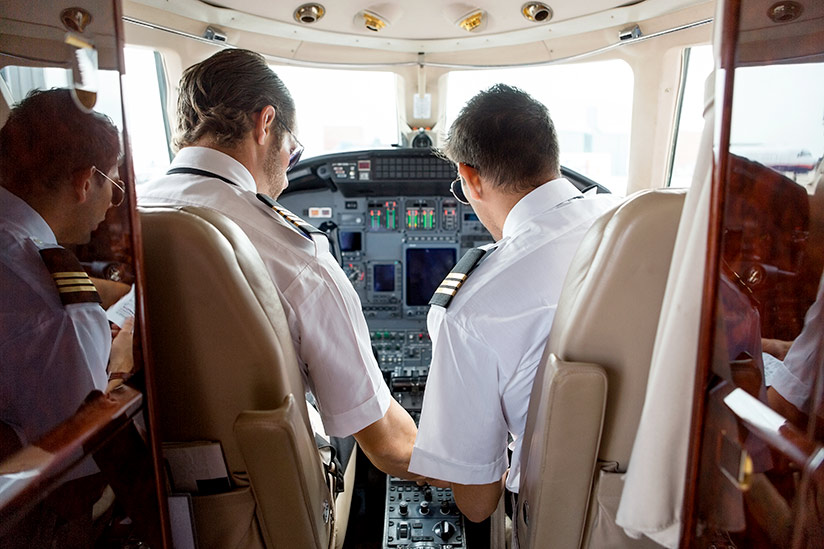
Airline pilots took nearly twice as long as test pilots to react to indications of unreliable airspeed, according to a small study of pilot responses to unexpected events.1
A report on the study by Chinese researchers, published in the January issue of Aerospace Medicine and Human Performance, said the study, conducted with 16 pilots in an Airbus A320 simulator, analyzed physiological parameters and task-related performance in three abnormal scenarios and found significant differences in responses from the two groups of pilots.
The goal was to aid in establishing better coping strategies for pilots who encounter unexpected events or “automation surprises” during flight, the report said.
“Unexpected events in flight might decrease the transparency of the flying process and weaken the pilot’s perception of the current state or even erode manipulating skills,” the report said. “However, during the flight test of a new or modified a…