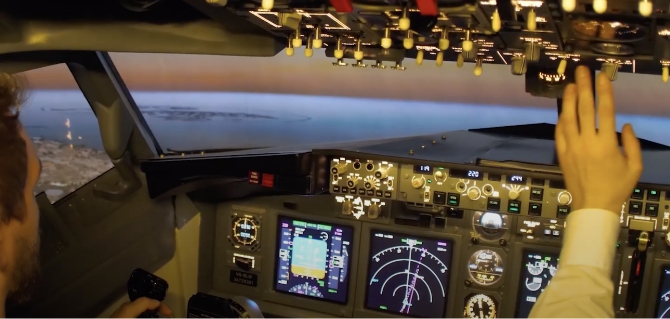
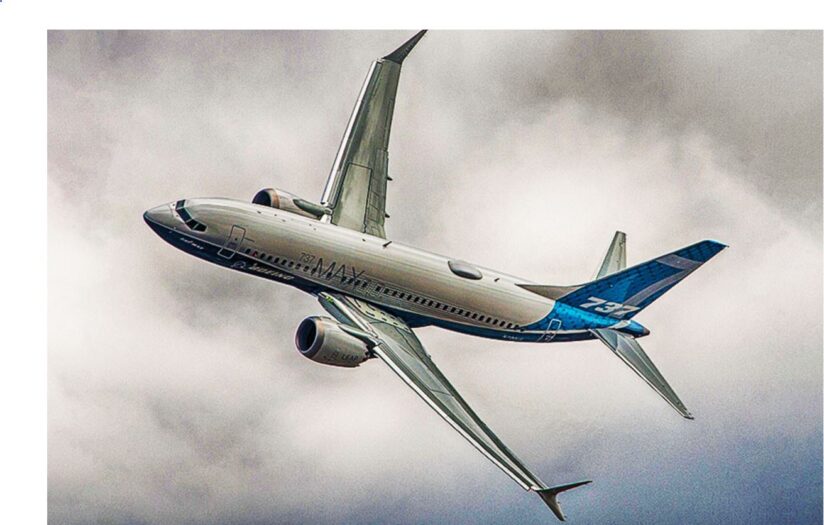
The Ethiopian Aircraft Accident Investigation Bureau (EAIB) is citing “repetitive and uncommanded” nose-down inputs from a Boeing 737 MAX flight stabilizing system as the probable cause of the March 10, 2019, crash of Ethiopian Airlines Flight 302, which killed all 157 passengers and crew. The airplane was destroyed.
That accident, which occurred minutes after takeoff from Addis Ababa, Ethiopia, was the second crash in five months of a 737 MAX.1 The two crashes prompted regulators worldwide to ground the 737 MAX for more than two years while Boeing modified the pitch stabilizing system, known as the maneuvering characteristics augmentation system (MCAS).
The final report drew criticism from accident investigation boards in France and the United States — both of which participated in the investigation and both of which said the probable cause should include not only the uncommanded nose-down inputs from the MCAS but also the flight crew’s inadequate r…