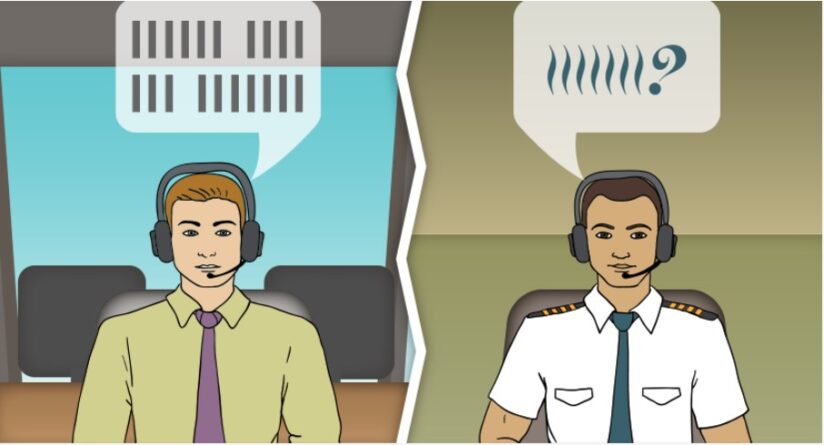
Research shows that native English speakers (NES) can hugely benefit from knowing what specific and simple things they can do when speaking to non-native English speakers (NNES)1 to increase understanding and successful communication.2,3
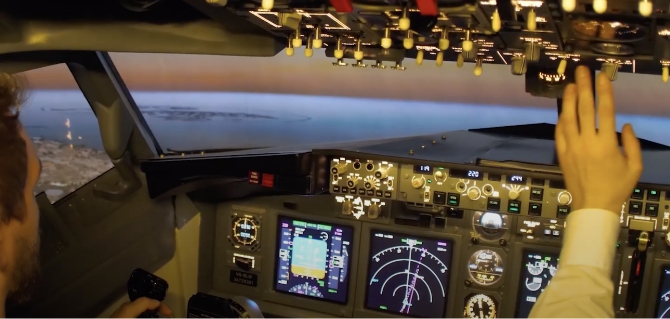
Pilots and air traffic controllers, during aeronautical radiotelephonic (RT) interactions, can only rely on the stream of speech as many of the normal paralinguistic cues (such as facial expressions, gestures and proximity, among other things) that are common features of normal face-to-face interactions are absent. Research and investigative reports on past accidents show that miscommunication between NES and NNES over the radio occurs and can threaten flight safety.
One 2009 study explains that NES’ lack of sensitivity to NNES’ communication efforts can sometimes affect aviation safety.4
The study cited a 2006 event involving a breakdown in communications between a pilot of an Air China Boeing 747 and a gr…