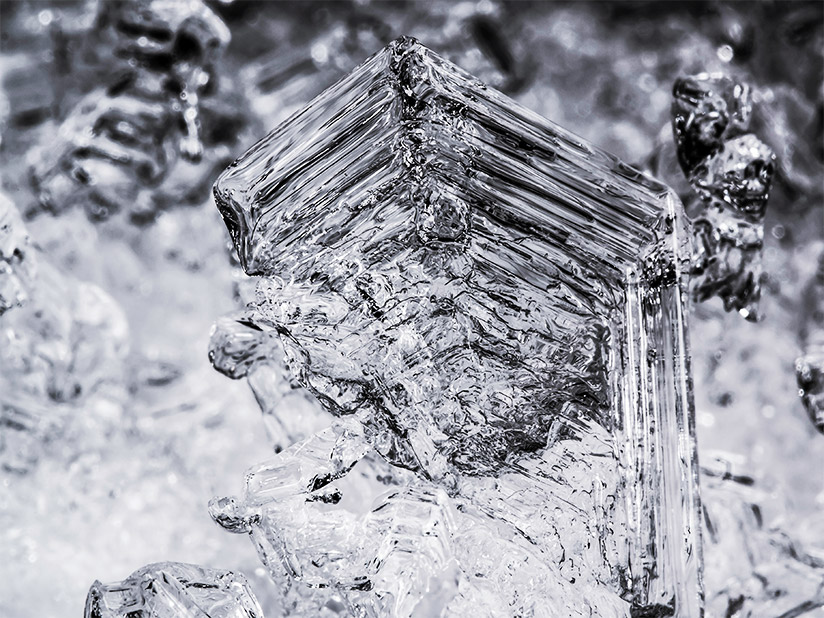
A hazardous ice formation is one that can substantially degrade aircraft performance, cause handling problems, and, in the extreme, result in a stall or loss of control–in flight (LOC-I). Such a formation is characterized by its size or volume, shape, and location, especially when ice accretes on wings and tail surfaces. The cause may be an ice-protection system failure, pilot error or a severe icing condition — such as the presence of super-cooled large droplets — that overwhelms the protection system.
In a 2010 technical memorandum regarding LOC-I events, the U.S. National Aeronautics and Space Administration (NASA) called icing “arguably the most significant environmental hazard for triggering LOC accidents,” and noted that it was a factor in 54 percent of 40 accidents involving U.S. Federal Aviation Regulations (FARs) Part 121 (air carrier) and scheduled Part 135 (commuter) aircraft between 1988 and 2004. During the same period, icing also factored in 27 percent of the 1…