During the early days of aviation, aircraft accidents were investigated using mainly records of the flight and evidence gathered at accident sites. Basic investigative techniques matured as experience was gained, and, with technological developments, investigations became more of a science.
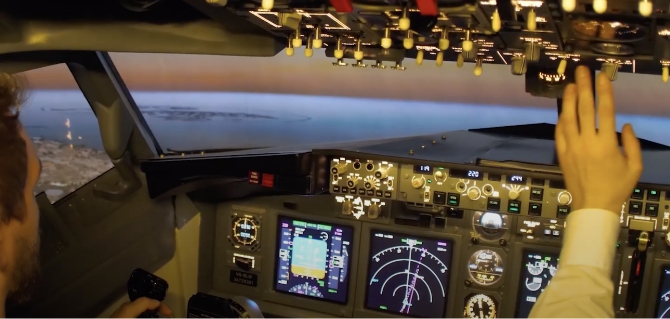
The introduction of the flight data recorder (FDR) added an information source of immense value to the investigation process. Through the assessment of multiple FDR parameters, investigators could now “see” what the aircraft had been doing during the period before the accident itself. The addition of the cockpit voice recorder (CVR) provided further insight and aided the process by allowing the investigators to hear crew conversations, cockpit noises and alarms.
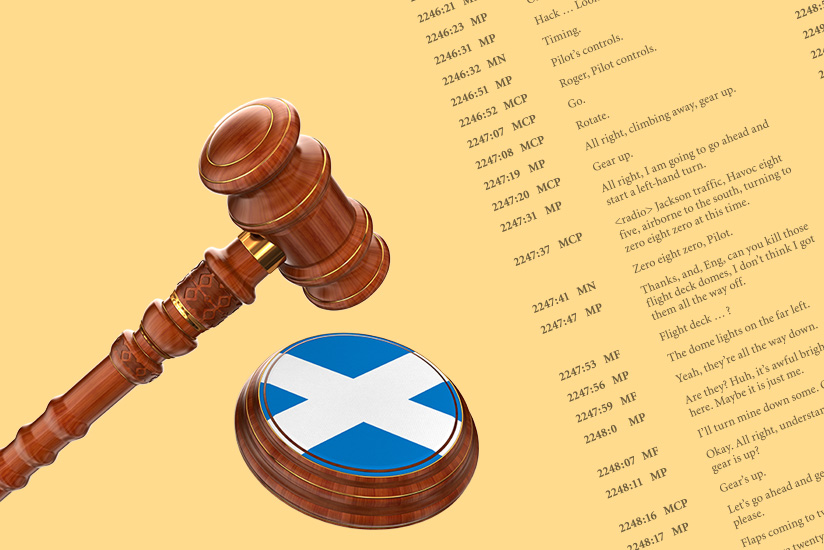
But CVRs introduced conflicts, originally around privacy and later regarding protection of data in the interest of everyone’s safety. After years of advocacy by Flight Safety Foundation and other aviation safety professionals, it bec…