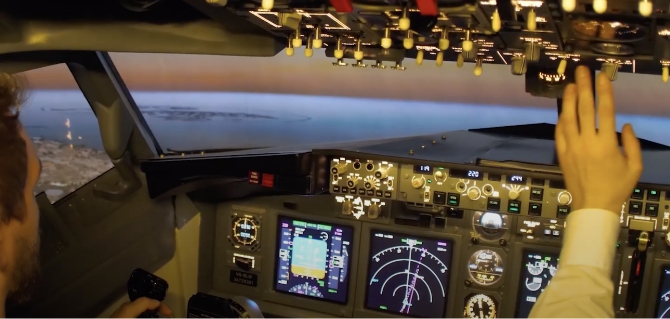
Upgrading scenarios in flight simulation training devices holds promise for reinforcing pilot awareness of potential in-flight icing effects on specific aircraft types. The advances also fit well into today’s heightened attention to pilots’ mission and automation management, says Dan Littman, flight dynamics manager, FlightSafety International.
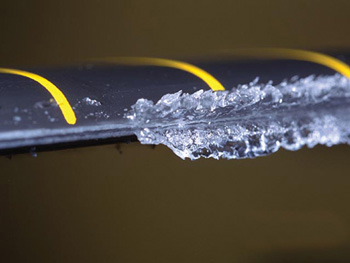
“The natural phenomenon of in-flight icing can affect aircraft in several different ways,” Littman said during his presentation at the World Aviation Training Conference and Tradeshow (WATS 2012) in Orlando, Florida, U.S., in April. “Any aircraft will collect ice if flown slowly enough in icing conditions with the protection turned off, disabled or absent. If you do get ice, particularly on the wings, upsets can be abrupt and surprise the flight crew. It is [only the in-flight] ice on the leading edge of the wings that causes a stall. … If your airplane is certified for flight in known icing — and [you] use the equipment when it n…