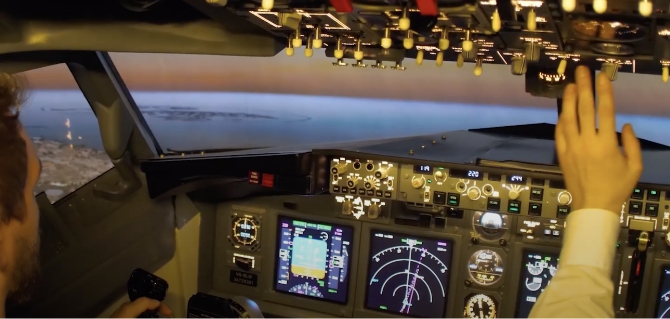

Winter conditions annually promise — and unfailingly deliver — snow, ice, freezing rain, contaminated runways, frost and other predictable hazards to aviation. As with other threats, modern technology offers mitigation. But the ultimate defense rests on individuals performing their work with “lessons learned” firmly in mind, as several speakers at the two-day International Winter Operations Conference pointed out.
From 1968 to 2004, 22 accidents with 750 fatalities worldwide were associated with ground icing, said Bryon Mask, a former Air Canada captain and now president of Coranna Flight Safety Investigative Services. Like several other speakers, Mask identified the 1989 accident in Dryden, Ontario, as the beginning of a major re-evaluation and upgrading of Canadian regulations and practices.
Air Ontario Flight 1263, a Fokker F28-1000, made a refueling stop at Dryden. Snow began falling heavily. “The captain asked about available deicing, but did not request deicing,” Ma…