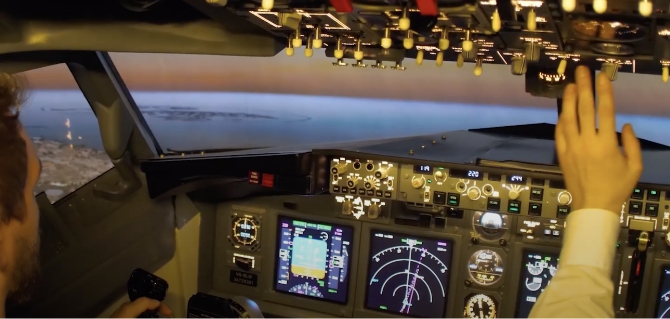

If airline crewmembers on the flight deck and in the cabin see themselves as “locked out” of each other’s domains not only by a fortified door, but also by differences in their cognitive tasks and professional cultures, safety of flight can be threatened. Accidents have occurred, for example, in situations in which pilots discouraged reports of aircraft technical irregularities from the cabin and in which flight attendants hesitated or failed to report to the cockpit possible threats they observed.
Although worldwide praise for cabin crew performance has followed some high-profile accidents — especially the January 2009 landing of US Airways Flight 1549 on the Hudson River in New Jersey, U.S. — studies and safety articles citing other events had noted deficiencies in the ability of some flight attendants to handle onboard emergencies and called for modifying various details of training. The in-flight safety assurance model we propose is a step toward modeling flight attendan…