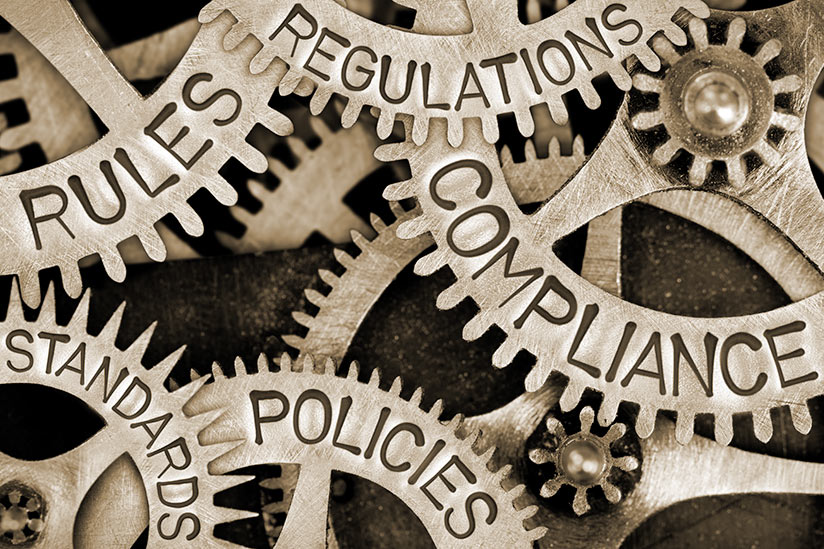
Procedures, policies and checklists are an effective way to ensure safety-related tasks are being conducted in a standardized, pragmatic way. They also are, in many cases, a regulatory requirement. But procedures are not always followed.
Procedural noncompliance, or procedural drift, has been either a primary, or contributing, causal factor in the majority of aviation accidents. The term procedural drift refers to the continuum between textbook compliance, and how the procedure is being performed in the real world.
Procedural drift is not new, but recent accidents have illuminated the ubiquity and severity of the problem, prompting the U.S. National Transportation Safety Board (NTSB) to add “strengthen procedural compliance” to its Most Wanted List of transportation safety improvements in 2015. NTSB’s action largely was in response to an Execuflight Hawker HS125-700A crash on approach to Akron, Ohio, in 2015. All seven passengers and two crewmembers were killed. Th…