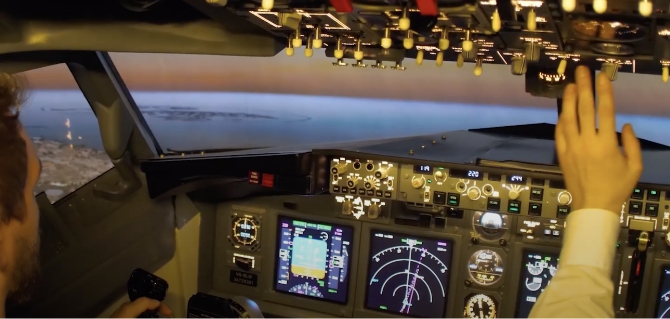
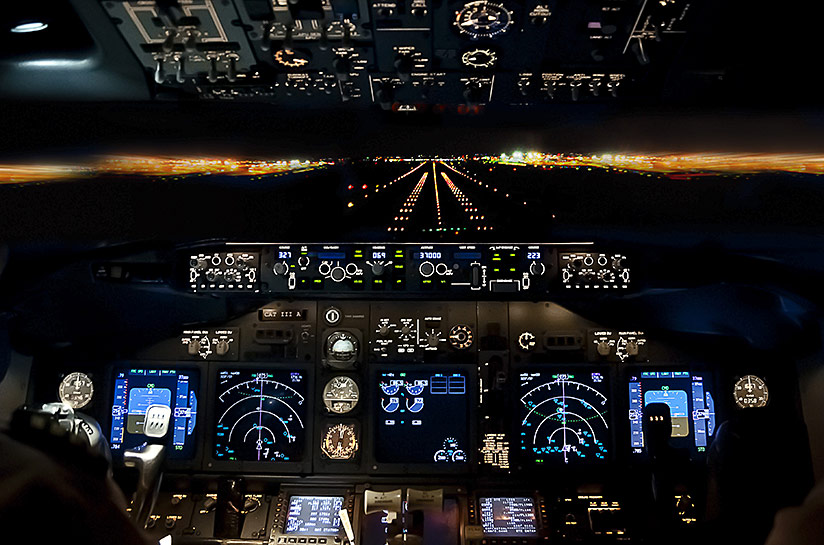
Visual perception is a crucial component of human performance, but shortcomings in this important stage of human information processing are especially evident during night flights when flight crews rely on outside visual references (see “Inadvertent Errors,” ASW, 10/16).
Some of these limitations arise from physiological factors that impede a pilot’s ability to see in the dark (Table 1). Most night-vision–related accidents, however, occur because pilots misperceive visual cues at night, especially on “dark nights” (those that are moonless and/or have an overcast sky). These perceptual errors manifest themselves during all phases of flight and are responsible for a significant number of fatal accidents.