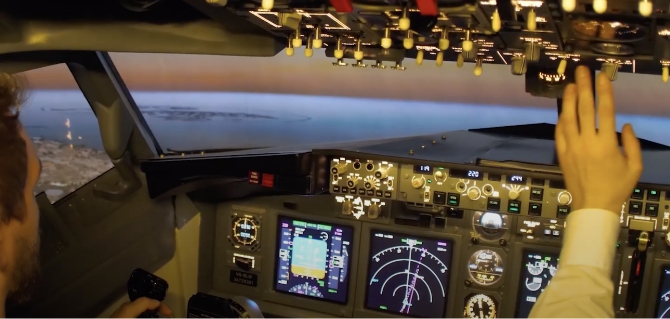

Innovations that assist pilots’ visual perception and situational awareness during approach and landing may arrive sooner than some aviation safety specialists anticipate. Subject matter experts told the FSF 68th annual International Air Safety Summit (IASS) in November that promising examples of near-term advances include providing flight crews and air traffic controllers with unprecedented ability to accurately anticipate braking action; making simultaneous approaches to parallel runways more accurate and resilient to avionics faults and human errors; and combining precise navigation with equivalent-vision technology to reduce uncertainties in dispatching and landing airplanes in low-visibility conditions.
Accurate Braking Action
The aviation community has long needed near-real-time runway condition reporting, said Logan Jones, an aircraft performance engineer at Airbus. What now makes this feasible is equipping airplanes with braking-action sensors and automatic capabil…