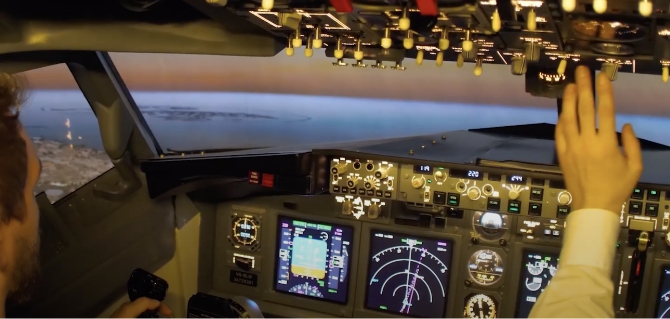

The use of potentially impairing medications and illegal drugs by pilots killed in aircraft crashes increased dramatically between 1990 and 2012, according to a study by the U.S. National Transportation Safety Board (NTSB), which warned that growing use of the substances heightens the overall risk of drug-related pilot impairment during flight.
The NTSB emphasized that the study did not conclude that pilots who tested positive for impairing drugs were actually impaired at the time of the crash.
Data were gathered through post-accident toxicology testing of 6,677 pilots who were killed in aircraft accidents; the number represents 87 percent of the U.S. civil aviation accidents involving a pilot fatality during the years of the study. The risk categories analyzed by the study were potentially impairing drugs, potentially impairing conditions, controlled substances and illegal drugs. Most of the pilots studied were general aviation pilots because general aviation aircraft are more f…