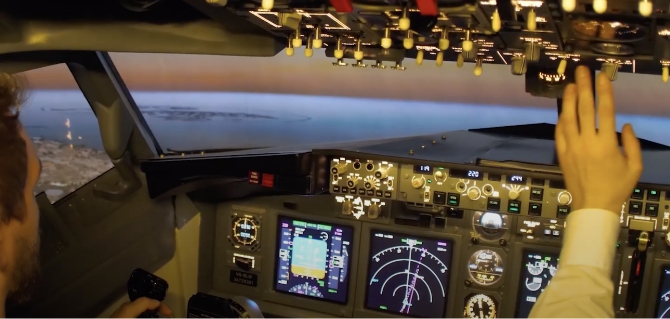
Flight crew fatigue has become a front-line issue since being implicated as a possible factor in the Colgan Air Flight 3407 accident (ASW, 3/10, p. 20). The increasing adoption of fatigue risk management systems and the U.S. Federal Aviation Administration’s (FAA’s) current notice of proposed rule making for flight and duty time (see “New Proposal, Old Resistance”) also drive industry interest. Various factors have been cited as contributing to fatigue, including time since awakening, poor-quality sleep, time on duty and circadian disruption. Many studies have focused on the alertness effects of in-flight workload on the flight crew, particularly in takeoff, approach and landing, as well as from extra demands such as bad weather and equipment malfunction.
Although worklo…