
Held annually since 1947, the International Air Safety Summit (IASS) is aviation’s premier safety event, drawing as many as 400 representatives from over 50 countries to exchange information and propose new directions for further risk reductions and make the safest mode of transportation even safer. Summit content is designed to address issues surrounding safety, training, practical solutions, management, human factors, maintenance/engineering, and offshore operations.
About the event
Keynote Speaker
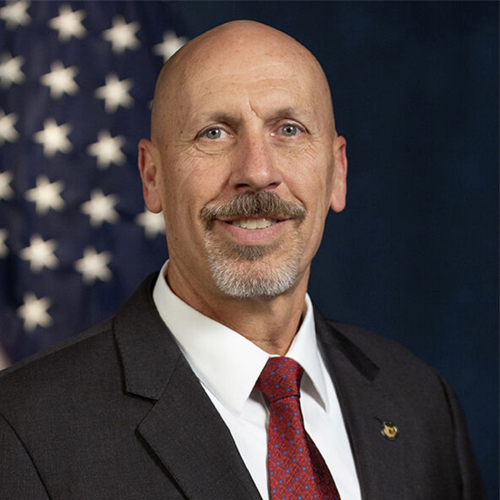
Mr. Michael E. Graham
Held annually since 1947, the International Air Safety Summit (IASS) is aviation’s premier safety event, drawing as many as 400 representatives from over 50 countries to exchange information and propose new directions ...
IASS 2022 AGENDA
Monday, Nov 7
7:30 – 8:30 a.m. | Breakfast – Sponsored by: NATCA
Location: Exhibit Hall
8:30 – 9:00 a.m. | Conference Welcoming Remarks
- Speakers:
- Dr. Hassan Shahidi, President and CEO, Flight Safety Foundation
- Bobbi Wells, VP, Safety Systems, Efficiency & Compliance, American Airlines and New Chair, Board of Governors, Flight Safety Foundation
- Mark Millam, Technical Programs and Events, Flight Safety Foundation
9:00 – 9:45 a.m. | Opening Keynote
- Speaker:
- Billy Nolen, Administrator (Acting), U.S. Federal Aviation Administration
9:45 – 10:15 a.m. | Risk in Review – Accidents and Current Risk Picture
Recent Safety Performance
Regional Risk Assessment Work — Impacts Recognized Through This Work
- Speaker:
- Henry Gourdji, Director, Safety Strategy and Policy, Flight Safety Foundation
10:15 – 10:45 a.m. | Morning Networking Break
Location: Exhibit Hall
10:45 a.m. – 11:45 a.m. | Session 1 | Post-Pandemic Approach to Aviation and Safety Operations
After almost three years, can we say the pandemic is over and things are back to normal? If not, is there a new normal for how safety is managed?
- Speakers:
- Capt. Conor Nolan, Director, Safety and Security, Aer Lingus, and Chair, Board of Governors, Flight Safety Foundation
- Gilberto Lopez Meyer, Senior Vice President, Corporate Safety, Security and Compliance, Korean Air
- David Garrison, Senior Vice President of Corporate Safety, Security, and Compliance, Delta Air Lines
- Craig Hoskins, Vice President of Safety, Security and Technical Affairs, Airbus Americas
11:45 a.m. – 1:15 p.m. | Lunch – Sponsored by: Embraer
Location: International Ballroom, M2, North Tower
1:15 – 1:35 p.m. | Laura Taber Barbour Award Ceremony
1:35 – 3:15 p.m. | Session 2 | Building Safety Culture and Keeping It Strong
Is your workplace culture promoting a strong safety culture? How do we tap into the mindsets, attitudes and behaviors of employees, managers and owners to know for sure?
Relationship Between Team Emotional Intelligence and Safety Culture
This presentation explores the relationship between Emotional Intelligence and Safety Culture. Research provides evidence that Emotional Intelligence improves individual and team performance, but can it improve Safety Culture too?
- Speaker:
- Sonnie Bates, CEO, WYVERN
Guidance for Development, Promotion and Measuring an Organization’s Safety Culture
- Speaker:
- Capt. Helena Cunningham, Director of SMS, Air Line Pilots Association, International
Safety/Risk Culture in Commercial Air Transport Industry/Organizational Learning/Weak Signal Detection
- Speaker:
- Cengiz Turkoglu, Senior Lecturer in Safety Engineering, Centre for Safety and Accident Investigation, Cranfield University
Safety Performance Leadership Management
- Speaker:
- Capt. John Deleeuw, Managing Director Safety and Efficiency, American Airlines
3:15 – 3:45 p.m. | Afternoon Networking Break
Location: Exhibit Hall
3:45 – 5:00 p.m. | Session 3 – The Science of Human Factors and How It Informs Safety
Human factors is sometimes called the science behind designing equipment and processes. How do we build the shared body of knowledge about the principles of human/machine and work processes?
Investigating Language Factors in Aviation Accidents
- Speaker:
- Elizabeth Mathews, Assistant Professor of Aerospace and Occupational Safety, Embry-Riddle Aeronautical University
Risk Rating of Human Performance
- Speaker:
- Stephanie Moore, Human Performance Manager, American Airlines
Small Country/Big Accident
The presentation will demonstrate how PNGAIC investigated a major aircraft accident (B737-800) that crashed into the sea in 2018. The investigation of a major accident by a small country presented a number of challenges. PNGAIC not only conducted a full investigation, they did the replay and analysis of the sea-immersed FDR/CVR using a unique and novel new approach that has never been used before on a major accident.
- Speaker:
- Mike Poole, CEO, Plane Sciences
6:30 – 9:30 p.m. | Flight Safety Foundation Awards Dinner
Open to all IASS attendees.
Location: International Ballroom, M2, North Tower
- Cocktails: 6:30 – 7:30 p.m.
- Dinner and awards ceremony to follow.
Tuesday, Nov 8
7:30 – 8:30 a.m. | Breakfast – Sponsored by: Advanced Safety and Quality Solutions
Location: Exhibit Hall
8:30 – 9:00 a.m. | Opening Keynote
- Speakers:
- Ed Bastian, Chief Executive Officer, Delta Air Lines
9:00 – 10:00 a.m. | Session 4 – Pilot Health and Well-Being – Issues and Challenges
Mental health and fatigue risk management challenges, perceptions and realities.
Can We Admit That Mental Health Can Be Discussed?
- Speaker:
- Dr. Martin Smith, CEO/Co-Founder, Presage Group Inc.
- Piyush Gandhi, Vice President, Operations and Business Development, Presage Group Inc.
The Role of Rank and Sleep Need on Compound Fatigue Risk in Medium-Haul Pilots
The presentation will address the current and future flight safety challenges, and then focus on a particular subject related to pilots’ fatigue perception.
- Speaker:
- Dr. Julia Behrend, Head of Safety Innovation & Human Performance, Air France
NATCA/FAA Collaboration on Employee Health and Well-being
How the National Air Traffic Controllers Association (NATCA) work collaboratively with the FAA to administer the Fatigue Risk Management Program (FRMP) and increase efforts to improve employee health and well-being.
- Speaker:
- Aaron Katz, National Human Performance Representative, National Air Traffic Controllers Association
10:00 – 10:30 a.m. | Morning Networking Break – Sponsored by: L3Harris
Location: Exhibit Hall
10:15 – 10:45 a.m. | Morning Networking Break
Location: Exhibit Hall
10:30 a.m. – 12:00 p.m. | Session 5 – Safe Integration of Advanced Air Mobility (AAM)
The world of advanced air mobility and autonomous operations is making progress. This world includes small drones, multi-rotor, fixed-wing and hybrids, single-rotor and maybe more. Do we have the integrity in our systems and the data we need to manage safety at levels that are better than those of traditional aviation? How do we make that happen?
- Speakers:
- David Carbon, Vice President, Prime Air, Amazon
- Eric Bergesen, Director of Operations, UPS Flight Forward
- Brandon Roberts, Executive Director, Rulemaking, U.S. Federal Aviation Administration
- Conor French, Chief Regulatory Officer, Zipline
- Daniel Acquah, Director-General, Ghana Civil Aviation Authority
12:00 – 1:30 p.m. | Lunch – Sponsored by: Boeing
Location: International Ballroom, M2, North Tower
1:30 – 2:00 p.m. | Safe Sustainability – An update on results from the 2022 Safety Forum
- Speakers:
- Capt. Pascal Kremer, Flight Safety Foundation European Advisory Committee Chair
- Dai Whittingham, Flight Safety Foundation European Advisory Committee Vice Chair
- Tzvetomir Blajev, Director, Europe and Global Operational Safety, Flight Safety Foundation
2:00 – 3:00 p.m. | Session 6 – A Highlight on Safety Data and Information Sharing from Latin America
The Latin American Region has been working on using safety data and information sharing to improve safety performance in the region. How has progress been made and what is next for the expansion of knowledge and intelligence in the region?
- Speakers:
- Virginio Corrieri, Head of Operations, Safety and Security, Latin American and Caribbean Air Transport Association, ALTA
- Steve Jangelis,Boeing 757/767 Captain, Delta Air Lines, Industry Co-Chair for FAA Aviation Safety Information Analysis and Sharing (ASIAS)
- Santiago Saltos, Regional Safety Director, Industry Co-Chair, PA-RAST, Airbus
3:00 – 3:30 p.m. | Afternoon Networking Break – Sponsored by: L3Harris
Location: Exhibit Hall
3:30 – 5:00 p.m. | Session 7 – Implementation and Evolution of Safety Management System (SMS) Programs
Implementation of safety management systems was rooted in flight operations at the airline. It’s now expanded to many operational areas and beyond the airlines. What’s working well and what’s not where it is being adopted?
Safety Leadership/SMS/Aviation Safety Action Programs (Expansion of SMS Across Aviation)
Implementation of safety management systems was rooted in airline flight operations. It’s now expanded to general aviation and will soon be a requirement for U.S. charter operators. Learn how SMS is part of a “Pathway to Safety” and how an operation of any size can successfully implement and scale a custom SMS to improve their safety. Speaker: Robert Rufli, Director of Operations, Air Charter Safety Foundation
SMS Implementation Strategy
- Speakers:
- David Huntzinger, Safety SME, Laminaar Aviation Infotech Americas
Leveraging Flight Data for Safer Skies
The future of flight safety is rooted in connecting data to operations. Join us to hear about the impact of FOQA, with real examples of safety improvements. Learn about how you can empower pilots with individualized safety data, and our vision of the future, a connected ecosystem of safety applications. The future is now!
- Speakers:
- Luke Bowman, Senior Product Director, GE Digital, Aviation Software
Challenges of Implementing New SMS Technologies
- Speakers:
- Marko Rados, CEO, Inxelo Technologies
5:30 – 7:30 p.m. | Welcome Cocktail Reception – Sponsored by: Pratt & Whitney
Open to all IASS attendees and guests.
Location: Atrium Terrace – South Tower
Wednesday, Nov 9
7:30 – 8:30 a.m. | Breakfast – Sponsored by: Boeing
Location: Exhibit Hall
8:30 – 10:00 a.m. | Session 8 – Not Falling Behind on Risks That Have had a Long History in Aviation
Approach and landing have long been noted as the most hazardous phase of flight and runway excursions are still the top accident category. And other risks have been persistent over time. How can we influence each other and make sure our safety training cuts across the organization?
Importance of Runway Surface Texture on the Prevention of Runway Excursions
- Speakers:
- Gerard Van Es, Netherlands Aerospace Centre NLR
Accidents, Incidents, and Unsafe Acts: How to Leverage These to Stay in Front of Aviation Safety
Are you collecting the right information, finding those areas of highest risk, and able to prove the investments you are making having the desired effect? In this presentation we share strategies for improving aviation safety?
- Speakers:
- Anthony Schneider, Executive Director, the Air Traffic Safety Oversight Service, U.S. Federal Aviation Administration
Returning to and Strengthening the Normal Training Regime Throughout the Aviation System, Not Just the Flight Deck
Strengthening serious incident investigations.
- developing investigation techniques to quickly address contributing factors beyond the flight deck.
- sharing the information and identifying pragmatic safety actions as soon as possible.
- As soon as possible implies ‘before the final report is published’
- Speakers:
- Christopher McGregor, Flight Safety Officer, ATR
10:00 – 10:30 a.m. | Morning Networking Break
Location: Exhibit Hall
10:30 a.m. – 12:00 p.m. | Session 9 – Getting Pilots Prepared for the Rigors of Flying. What Do We Measure?
Traditional pilot training has taken a task-based approach while a competency-based approach looks at essential competencies. Do we have consistency in what these essential competencies are and how to evaluate?
Two Years of Self-Debriefing, Any Flight Safety Indicators Trends?
- Speakers:
- Capt. Vincent Durel, Captain B737NG, Flight Data Monitoring Expert, Flight Safety Officer, Transavia
Design of the Go-Around Procedures to Focus Attention on Flight Path Management
Although the go-around maneuver is frequently trained, real-world execution of the go-around is a safety concern because known precursors to loss of control in-flight (LOC-I) continue to be present in operations. To mitigate safety hazards in the execution of the go-around, the go-around procedures were redesigned to balance workload and to direct flight crew attention to appropriate flight path parameters at the right time. This design methodology may be applied to operational procedures more broadly to enhance safety beyond the go-around maneuver.
- Speakers:
- Dr. Barbara Holder, Associate Professor and Presidential Fellow, Embry-Riddle Aeronautical University
Advisory Circular (AC) 120 FPM – AC for Flight Path Management Manual Flying Skills in All Phases of Operations
- Speakers:
- Joshua Jackson, Training and Simulation Group (AFS–280), U.S. Federal Aviation Administration
12:00 – 1:30 p.m. | Lunch – Sponsored by: GE Digital
Location: International Ballroom, M2, North Tower
1:30 – 3:00 p.m. | Session 10 – External Threats to Aviation Safety
Despite the industry’s best efforts to improve aviation safety, there may be outside attempts to disrupt operations or changes introduced to the environment that cause unsafe conditions. What are these attempts and changes, and how does the industry protect itself?
Operations in Global Navigation Satellite System Jammed/Spoofed Environment
- Speakers:
- Capt. Hovav Ben-David, Vice President Operations, El Al Israel airlines
Cyber Security and Software Safety in Aircraft Systems Testing: A Strategic Approach for Aviation Risk Management
- Speakers:
- Donna Dulo, U.S. Air Force Air Mobility Command Test and Evaluation Squadron
Traffic Flow Contingencies in the Air Traffic Arena
The FAA’s Air Traffic Organization continues to evolve their safety processes with Risk Based Safety Management as the underlying concept. The presentation will highlight evolution in identifying risk with the Aviation Risk Identification and Assessment tool, adapting our procedures for space operations, and influencing mitigations on the surface and during weather events.
- Speakers:
- Franklin McIntosh, Vice President, Safety & Technical Training, U.S. Federal Aviation Administration
3:00 – 3:30 p.n. | Afternoon Networking Break
Location: Exhibit Hall
3:30 – 4:45 p.m. | Session 11 – Providing a Deeper Understanding of Safety Data
Safety reporting and flight data monitoring are among the programs used to share a better understanding of risks. What do they tell us, and what are some other methods for analysis?
Safety Investigation in an SMS environment: training the next generation of air safety investigators
- Speakers:
- Fred Calvert, Director, Safety Assurance, Executive Jet Management
Learning From All Operations – the Analysis Approach
- Speakers:
- Tzvetomir Blajev, Director, Europe and Global Operational Safety, Flight Safety Foundation
- Dr. Jon Holbrook, Human Factors Discipline Deputy for the NASA Engineering and Safety Center, National Aeronautics and Space Administration
4:45 – 5:00 p.m. | Closing Remarks
Sunday, 11/6
9:00Am - 5:00Pm
Advisory Committee Meetings
6:00Pm - 7:00Pm
VIP Cocktail Reception (invitation only)
Monday, 11/7
8:30Am - 5:00Pm
General Session, Exhibits
6:00Pm - 9:00Pm
Awards Dinner
Tuesday, 11/8
8:30Am - 5:00Pm
General Session, Exhibits
6:00Pm - 8:00Pm
Welcome Cocktail Reception
Wednesday, 11/9
8:30Am - 5:00Pm
General Session, Exhibits
Early bird rates end april 15 - register today!
Registration Fees
Early Bird Rate
Regular Rate
IASS 2022 AGENDA
Monday, Nov 7
7:30 – 8:30 a.m. | Breakfast – Sponsored by: NATCA
Location: Exhibit Hall
8:30 – 9:00 a.m. | Conference Welcoming Remarks
- Speakers:
- Dr. Hassan Shahidi, President and CEO, Flight Safety Foundation
- Bobbi Wells, VP, Safety Systems, Efficiency & Compliance, American Airlines and New Chair, Board of Governors, Flight Safety Foundation
- Mark Millam, Technical Programs and Events, Flight Safety Foundation
9:00 – 9:45 a.m. | Opening Keynote
- Speaker:
- Billy Nolen, Administrator (Acting), U.S. Federal Aviation Administration
9:45 – 10:15 a.m. | Risk in Review – Accidents and Current Risk Picture
Recent Safety Performance
Regional Risk Assessment Work — Impacts Recognized Through This Work
- Speaker:
- Henry Gourdji, Director, Safety Strategy and Policy, Flight Safety Foundation
10:15 – 10:45 a.m. | Morning Networking Break
Location: Exhibit Hall
10:45 a.m. – 11:45 a.m. | Session 1 | Post-Pandemic Approach to Aviation and Safety Operations
After almost three years, can we say the pandemic is over and things are back to normal? If not, is there a new normal for how safety is managed?
- Speakers:
- Capt. Conor Nolan, Director, Safety and Security, Aer Lingus, and Chair, Board of Governors, Flight Safety Foundation
- Gilberto Lopez Meyer, Senior Vice President, Corporate Safety, Security and Compliance, Korean Air
- David Garrison, Senior Vice President of Corporate Safety, Security, and Compliance, Delta Air Lines
- Craig Hoskins, Vice President of Safety, Security and Technical Affairs, Airbus Americas
11:45 a.m. – 1:15 p.m. | Lunch – Sponsored by: Embraer
Location: International Ballroom, M2, North Tower
1:15 – 1:35 p.m. | Laura Taber Barbour Award Ceremony
1:35 – 3:15 p.m. | Session 2 | Building Safety Culture and Keeping It Strong
Is your workplace culture promoting a strong safety culture? How do we tap into the mindsets, attitudes and behaviors of employees, managers and owners to know for sure?
Relationship Between Team Emotional Intelligence and Safety Culture
This presentation explores the relationship between Emotional Intelligence and Safety Culture. Research provides evidence that Emotional Intelligence improves individual and team performance, but can it improve Safety Culture too?
- Speaker:
- Sonnie Bates, CEO, WYVERN
Guidance for Development, Promotion and Measuring an Organization’s Safety Culture
- Speaker:
- Capt. Helena Cunningham, Director of SMS, Air Line Pilots Association, International
Safety/Risk Culture in Commercial Air Transport Industry/Organizational Learning/Weak Signal Detection
- Speaker:
- Cengiz Turkoglu, Senior Lecturer in Safety Engineering, Centre for Safety and Accident Investigation, Cranfield University
Safety Performance Leadership Management
- Speaker:
- Capt. John Deleeuw, Managing Director Safety and Efficiency, American Airlines
3:15 – 3:45 p.m. | Afternoon Networking Break
Location: Exhibit Hall
3:45 – 5:00 p.m. | Session 3 – The Science of Human Factors and How It Informs Safety
Human factors is sometimes called the science behind designing equipment and processes. How do we build the shared body of knowledge about the principles of human/machine and work processes?
Investigating Language Factors in Aviation Accidents
- Speaker:
- Elizabeth Mathews, Assistant Professor of Aerospace and Occupational Safety, Embry-Riddle Aeronautical University
Risk Rating of Human Performance
- Speaker:
- Stephanie Moore, Human Performance Manager, American Airlines
Small Country/Big Accident
The presentation will demonstrate how PNGAIC investigated a major aircraft accident (B737-800) that crashed into the sea in 2018. The investigation of a major accident by a small country presented a number of challenges. PNGAIC not only conducted a full investigation, they did the replay and analysis of the sea-immersed FDR/CVR using a unique and novel new approach that has never been used before on a major accident.
- Speaker:
- Mike Poole, CEO, Plane Sciences
6:30 – 9:30 p.m. | Flight Safety Foundation Awards Dinner
Open to all IASS attendees.
Location: International Ballroom, M2, North Tower
- Cocktails: 6:30 – 7:30 p.m.
- Dinner and awards ceremony to follow.
Tuesday, Nov 8
7:30 – 8:30 a.m. | Breakfast – Sponsored by: Advanced Safety and Quality Solutions
Location: Exhibit Hall
8:30 – 9:00 a.m. | Opening Keynote
- Speakers:
- Ed Bastian, Chief Executive Officer, Delta Air Lines
9:00 – 10:00 a.m. | Session 4 – Pilot Health and Well-Being – Issues and Challenges
Mental health and fatigue risk management challenges, perceptions and realities.
Can We Admit That Mental Health Can Be Discussed?
- Speaker:
- Dr. Martin Smith, CEO/Co-Founder, Presage Group Inc.
- Piyush Gandhi, Vice President, Operations and Business Development, Presage Group Inc.
The Role of Rank and Sleep Need on Compound Fatigue Risk in Medium-Haul Pilots
The presentation will address the current and future flight safety challenges, and then focus on a particular subject related to pilots’ fatigue perception.
- Speaker:
- Dr. Julia Behrend, Head of Safety Innovation & Human Performance, Air France
NATCA/FAA Collaboration on Employee Health and Well-being
How the National Air Traffic Controllers Association (NATCA) work collaboratively with the FAA to administer the Fatigue Risk Management Program (FRMP) and increase efforts to improve employee health and well-being.
- Speaker:
- Aaron Katz, National Human Performance Representative, National Air Traffic Controllers Association
10:00 – 10:30 a.m. | Morning Networking Break – Sponsored by: L3Harris
Location: Exhibit Hall
10:15 – 10:45 a.m. | Morning Networking Break
Location: Exhibit Hall
10:30 a.m. – 12:00 p.m. | Session 5 – Safe Integration of Advanced Air Mobility (AAM)
The world of advanced air mobility and autonomous operations is making progress. This world includes small drones, multi-rotor, fixed-wing and hybrids, single-rotor and maybe more. Do we have the integrity in our systems and the data we need to manage safety at levels that are better than those of traditional aviation? How do we make that happen?
- Speakers:
- David Carbon, Vice President, Prime Air, Amazon
- Eric Bergesen, Director of Operations, UPS Flight Forward
- Brandon Roberts, Executive Director, Rulemaking, U.S. Federal Aviation Administration
- Conor French, Chief Regulatory Officer, Zipline
- Daniel Acquah, Director-General, Ghana Civil Aviation Authority
12:00 – 1:30 p.m. | Lunch – Sponsored by: Boeing
Location: International Ballroom, M2, North Tower
1:30 – 2:00 p.m. | Safe Sustainability – An update on results from the 2022 Safety Forum
- Speakers:
- Capt. Pascal Kremer, Flight Safety Foundation European Advisory Committee Chair
- Dai Whittingham, Flight Safety Foundation European Advisory Committee Vice Chair
- Tzvetomir Blajev, Director, Europe and Global Operational Safety, Flight Safety Foundation
2:00 – 3:00 p.m. | Session 6 – A Highlight on Safety Data and Information Sharing from Latin America
The Latin American Region has been working on using safety data and information sharing to improve safety performance in the region. How has progress been made and what is next for the expansion of knowledge and intelligence in the region?
- Speakers:
- Virginio Corrieri, Head of Operations, Safety and Security, Latin American and Caribbean Air Transport Association, ALTA
- Steve Jangelis,Boeing 757/767 Captain, Delta Air Lines, Industry Co-Chair for FAA Aviation Safety Information Analysis and Sharing (ASIAS)
- Santiago Saltos, Regional Safety Director, Industry Co-Chair, PA-RAST, Airbus
3:00 – 3:30 p.m. | Afternoon Networking Break – Sponsored by: L3Harris
Location: Exhibit Hall
3:30 – 5:00 p.m. | Session 7 – Implementation and Evolution of Safety Management System (SMS) Programs
Implementation of safety management systems was rooted in flight operations at the airline. It’s now expanded to many operational areas and beyond the airlines. What’s working well and what’s not where it is being adopted?
Safety Leadership/SMS/Aviation Safety Action Programs (Expansion of SMS Across Aviation)
Implementation of safety management systems was rooted in airline flight operations. It’s now expanded to general aviation and will soon be a requirement for U.S. charter operators. Learn how SMS is part of a “Pathway to Safety” and how an operation of any size can successfully implement and scale a custom SMS to improve their safety. Speaker: Robert Rufli, Director of Operations, Air Charter Safety Foundation
SMS Implementation Strategy
- Speakers:
- David Huntzinger, Safety SME, Laminaar Aviation Infotech Americas
Leveraging Flight Data for Safer Skies
The future of flight safety is rooted in connecting data to operations. Join us to hear about the impact of FOQA, with real examples of safety improvements. Learn about how you can empower pilots with individualized safety data, and our vision of the future, a connected ecosystem of safety applications. The future is now!
- Speakers:
- Luke Bowman, Senior Product Director, GE Digital, Aviation Software
Challenges of Implementing New SMS Technologies
- Speakers:
- Marko Rados, CEO, Inxelo Technologies
5:30 – 7:30 p.m. | Welcome Cocktail Reception – Sponsored by: Pratt & Whitney
Open to all IASS attendees and guests.
Location: Atrium Terrace – South Tower
Wednesday, Nov 9
7:30 – 8:30 a.m. | Breakfast – Sponsored by: Boeing
Location: Exhibit Hall
8:30 – 10:00 a.m. | Session 8 – Not Falling Behind on Risks That Have had a Long History in Aviation
Approach and landing have long been noted as the most hazardous phase of flight and runway excursions are still the top accident category. And other risks have been persistent over time. How can we influence each other and make sure our safety training cuts across the organization?
Importance of Runway Surface Texture on the Prevention of Runway Excursions
- Speakers:
- Gerard Van Es, Netherlands Aerospace Centre NLR
Accidents, Incidents, and Unsafe Acts: How to Leverage These to Stay in Front of Aviation Safety
Are you collecting the right information, finding those areas of highest risk, and able to prove the investments you are making having the desired effect? In this presentation we share strategies for improving aviation safety?
- Speakers:
- Anthony Schneider, Executive Director, the Air Traffic Safety Oversight Service, U.S. Federal Aviation Administration
Returning to and Strengthening the Normal Training Regime Throughout the Aviation System, Not Just the Flight Deck
Strengthening serious incident investigations.
- developing investigation techniques to quickly address contributing factors beyond the flight deck.
- sharing the information and identifying pragmatic safety actions as soon as possible.
- As soon as possible implies ‘before the final report is published’
- Speakers:
- Christopher McGregor, Flight Safety Officer, ATR
10:00 – 10:30 a.m. | Morning Networking Break
Location: Exhibit Hall
10:30 a.m. – 12:00 p.m. | Session 9 – Getting Pilots Prepared for the Rigors of Flying. What Do We Measure?
Traditional pilot training has taken a task-based approach while a competency-based approach looks at essential competencies. Do we have consistency in what these essential competencies are and how to evaluate?
Two Years of Self-Debriefing, Any Flight Safety Indicators Trends?
- Speakers:
- Capt. Vincent Durel, Captain B737NG, Flight Data Monitoring Expert, Flight Safety Officer, Transavia
Design of the Go-Around Procedures to Focus Attention on Flight Path Management
Although the go-around maneuver is frequently trained, real-world execution of the go-around is a safety concern because known precursors to loss of control in-flight (LOC-I) continue to be present in operations. To mitigate safety hazards in the execution of the go-around, the go-around procedures were redesigned to balance workload and to direct flight crew attention to appropriate flight path parameters at the right time. This design methodology may be applied to operational procedures more broadly to enhance safety beyond the go-around maneuver.
- Speakers:
- Dr. Barbara Holder, Associate Professor and Presidential Fellow, Embry-Riddle Aeronautical University
Advisory Circular (AC) 120 FPM – AC for Flight Path Management Manual Flying Skills in All Phases of Operations
- Speakers:
- Joshua Jackson, Training and Simulation Group (AFS–280), U.S. Federal Aviation Administration
12:00 – 1:30 p.m. | Lunch – Sponsored by: GE Digital
Location: International Ballroom, M2, North Tower
1:30 – 3:00 p.m. | Session 10 – External Threats to Aviation Safety
Despite the industry’s best efforts to improve aviation safety, there may be outside attempts to disrupt operations or changes introduced to the environment that cause unsafe conditions. What are these attempts and changes, and how does the industry protect itself?
Operations in Global Navigation Satellite System Jammed/Spoofed Environment
- Speakers:
- Capt. Hovav Ben-David, Vice President Operations, El Al Israel airlines
Cyber Security and Software Safety in Aircraft Systems Testing: A Strategic Approach for Aviation Risk Management
- Speakers:
- Donna Dulo, U.S. Air Force Air Mobility Command Test and Evaluation Squadron
Traffic Flow Contingencies in the Air Traffic Arena
The FAA’s Air Traffic Organization continues to evolve their safety processes with Risk Based Safety Management as the underlying concept. The presentation will highlight evolution in identifying risk with the Aviation Risk Identification and Assessment tool, adapting our procedures for space operations, and influencing mitigations on the surface and during weather events.
- Speakers:
- Franklin McIntosh, Vice President, Safety & Technical Training, U.S. Federal Aviation Administration
3:00 – 3:30 p.n. | Afternoon Networking Break
Location: Exhibit Hall
3:30 – 4:45 p.m. | Session 11 – Providing a Deeper Understanding of Safety Data
Safety reporting and flight data monitoring are among the programs used to share a better understanding of risks. What do they tell us, and what are some other methods for analysis?
Safety Investigation in an SMS environment: training the next generation of air safety investigators
- Speakers:
- Fred Calvert, Director, Safety Assurance, Executive Jet Management
Learning From All Operations – the Analysis Approach
- Speakers:
- Tzvetomir Blajev, Director, Europe and Global Operational Safety, Flight Safety Foundation
- Dr. Jon Holbrook, Human Factors Discipline Deputy for the NASA Engineering and Safety Center, National Aeronautics and Space Administration
4:45 – 5:00 p.m. | Closing Remarks
Sunday, 11/6
9:00Am - 5:00Pm
Advisory Committee Meetings
6:00Pm - 7:00Pm
VIP Cocktail Reception (invitation only)
Monday, 11/7
8:30Am - 5:00Pm
General Session, Exhibits
6:00Pm - 9:00Pm
Awards Dinner
Tuesday, 11/8
8:30Am - 5:00Pm
General Session, Exhibits
6:00Pm - 8:00Pm
Welcome Cocktail Reception
Wednesday, 11/9
8:30Am - 5:00Pm
General Session, Exhibits
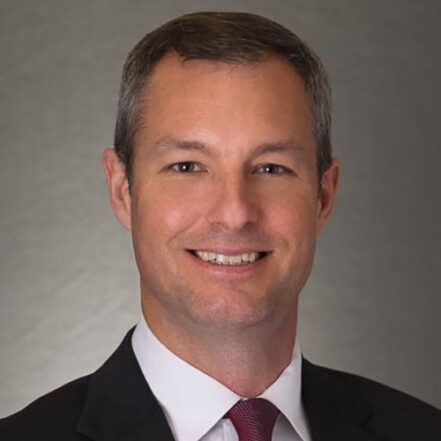
Mr. Andrew Karas
/ IS-BAO Programme Director
International Business Aviation Council
Held annually since 1947, the International Air Safety Summit (IASS) is aviation’s premier safety event, drawing as many as 400 representatives from over 50 countries to exchange information and propose new directions for further risk reductions and make the safest mode of transportation even safer. Summit content is designed to address issues surrounding safety, training, practical solutions, management, human factors, maintenance/engineering, and offshore operations.
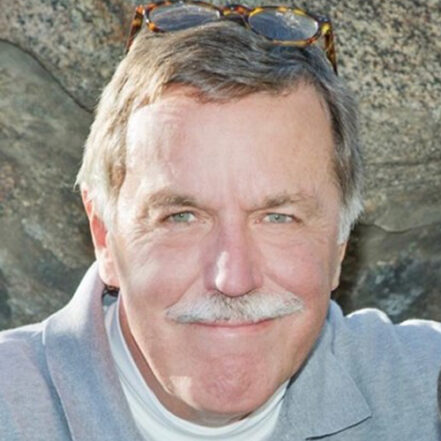
Mr. Andrew Skow
/ President and CEO
Tiger Century Aircraft
Held annually since 1947, the International Air Safety Summit (IASS) is aviation’s premier safety event, drawing as many as 400 representatives from over 50 countries to exchange information and propose new directions for further risk reductions and make the safest mode of transportation even safer. Summit content is designed to address issues surrounding safety, training, practical solutions, management, human factors, maintenance/engineering, and offshore operations.
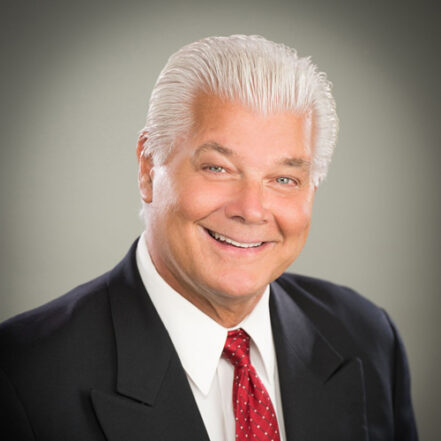
Mr. Bryan Burns
/ President
Air Charter Safety Foundation
Held annually since 1947, the International Air Safety Summit (IASS) is aviation’s premier safety event, drawing as many as 400 representatives from over 50 countries to exchange information and propose new directions for further risk reductions and make the safest mode of transportation even safer. Summit content is designed to address issues surrounding safety, training, practical solutions, management, human factors, maintenance/engineering, and offshore operations.
Mr. Chad Brewer
/ Operational Safety Analyst
Federal Aviation Administration
Held annually since 1947, the International Air Safety Summit (IASS) is aviation’s premier safety event, drawing as many as 400 representatives from over 50 countries to exchange information and propose new directions for further risk reductions and make the safest mode of transportation even safer. Summit content is designed to address issues surrounding safety, training, practical solutions, management, human factors, maintenance/engineering, and offshore operations.
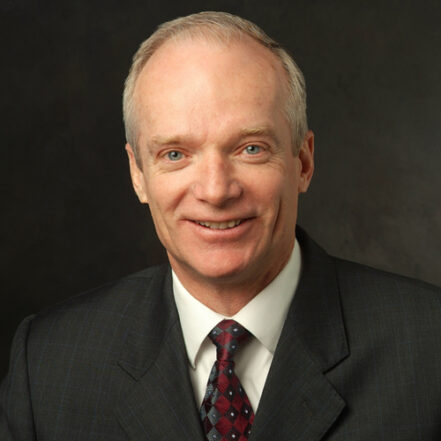
Mr. Charlie Precourt
/ Chair
Citation Jet Pilots Association
Held annually since 1947, the International Air Safety Summit (IASS) is aviation’s premier safety event, drawing as many as 400 representatives from over 50 countries to exchange information and propose new directions for further risk reductions and make the safest mode of transportation even safer. Summit content is designed to address issues surrounding safety, training, practical solutions, management, human factors, maintenance/engineering, and offshore operations.
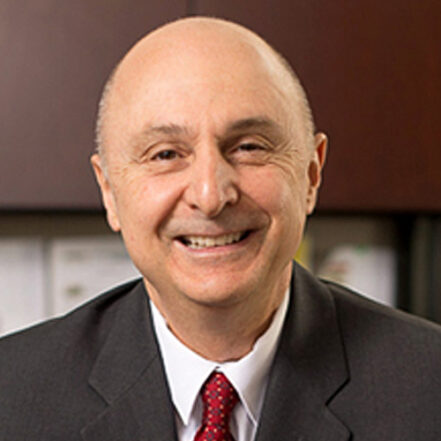
Dr. Hassan Shahidi
/ President and CEO
Flight Safety Foundation
Held annually since 1947, the International Air Safety Summit (IASS) is aviation’s premier safety event, drawing as many as 400 representatives from over 50 countries to exchange information and propose new directions for further risk reductions and make the safest mode of transportation even safer. Summit content is designed to address issues surrounding safety, training, practical solutions, management, human factors, maintenance/engineering, and offshore operations.
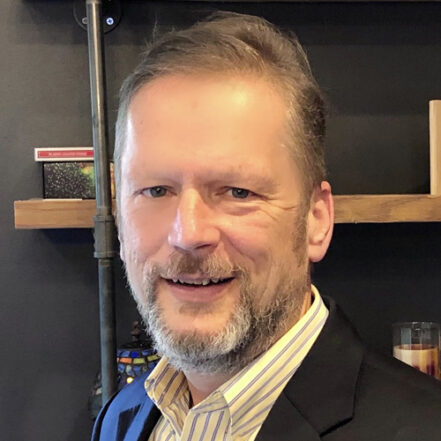
Mark Millam
Technical Programs and Events /
Flight Safety Foundation
Held annually since 1947, the International Air Safety Summit (IASS) is aviation’s premier safety event, drawing as many as 400 representatives from over 50 countries to exchange information and propose new directions for further risk reductions and make the safest mode of transportation even safer. Summit content is designed to address issues surrounding safety, training, practical solutions, management, human factors, maintenance/engineering, and offshore operations.
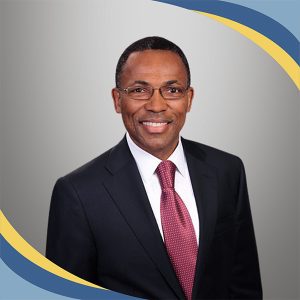
Billy Nolen
/ Administrator
FAA
Held annually since 1947, the International Air Safety Summit (IASS) is aviation’s premier safety event, drawing as many as 400 representatives from over 50 countries to exchange information and propose new directions for further risk reductions and make the safest mode of transportation even safer. Summit content is designed to address issues surrounding safety, training, practical solutions, management, human factors, maintenance/engineering, and offshore operations.
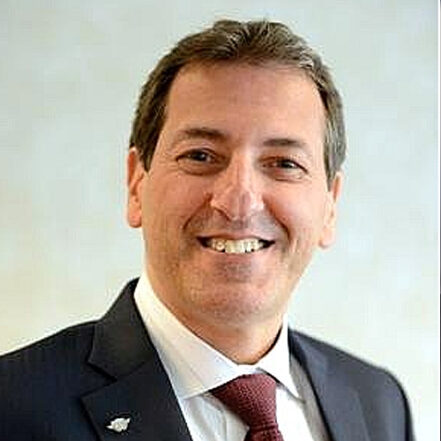
Mr. Henry Gourdji
/ Director, Safety Strategy and Policy,
Flight Safety Foundation
Held annually since 1947, the International Air Safety Summit (IASS) is aviation’s premier safety event, drawing as many as 400 representatives from over 50 countries to exchange information and propose new directions for further risk reductions and make the safest mode of transportation even safer. Summit content is designed to address issues surrounding safety, training, practical solutions, management, human factors, maintenance/engineering, and offshore operations.
Capt. Conor Nolan
/ Chair
Flight Safety Foundation Board of Governors
Held annually since 1947, the International Air Safety Summit (IASS) is aviation’s premier safety event, drawing as many as 400 representatives from over 50 countries to exchange information and propose new directions for further risk reductions and make the safest mode of transportation even safer. Summit content is designed to address issues surrounding safety, training, practical solutions, management, human factors, maintenance/engineering, and offshore operations.
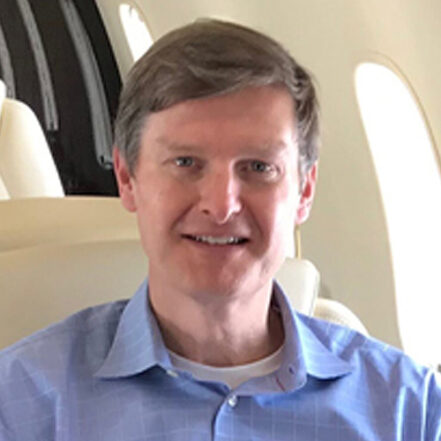
Mr. Sonnie Bates
/ CAM, MSM, CEO
Wyvern Ltd.
Held annually since 1947, the International Air Safety Summit (IASS) is aviation’s premier safety event, drawing as many as 400 representatives from over 50 countries to exchange information and propose new directions for further risk reductions and make the safest mode of transportation even safer. Summit content is designed to address issues surrounding safety, training, practical solutions, management, human factors, maintenance/engineering, and offshore operations.
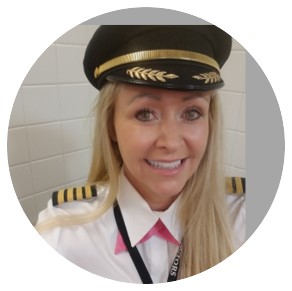
Capt. Helena Cunningham
/ Director, SMS
Air Line Pilots Association (ALPA) International
Held annually since 1947, the International Air Safety Summit (IASS) is aviation’s premier safety event, drawing as many as 400 representatives from over 50 countries to exchange information and propose new directions for further risk reductions and make the safest mode of transportation even safer. Summit content is designed to address issues surrounding safety, training, practical solutions, management, human factors, maintenance/engineering, and offshore operations.

Ed Bastian
/ Chief Executive Officer
Delta Air Lines
Held annually since 1947, the International Air Safety Summit (IASS) is aviation’s premier safety event, drawing as many as 400 representatives from over 50 countries to exchange information and propose new directions for further risk reductions and make the safest mode of transportation even safer. Summit content is designed to address issues surrounding safety, training, practical solutions, management, human factors, maintenance/engineering, and offshore operations.
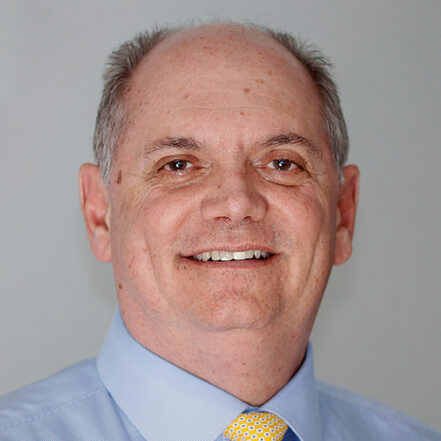
Dr. Martin Smith, Ph.D
/ Founder and CEO
Presage Group Inc.
Held annually since 1947, the International Air Safety Summit (IASS) is aviation’s premier safety event, drawing as many as 400 representatives from over 50 countries to exchange information and propose new directions for further risk reductions and make the safest mode of transportation even safer. Summit content is designed to address issues surrounding safety, training, practical solutions, management, human factors, maintenance/engineering, and offshore operations.
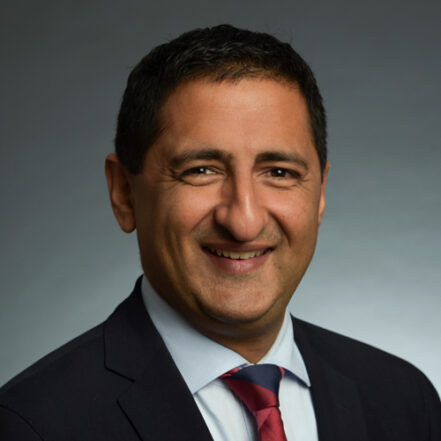
Capt. Piyush Gandhi
FSF Business Advisory Committee Member / VP Operations and Business Development, Presage Group Inc
FSF
Held annually since 1947, the International Air Safety Summit (IASS) is aviation’s premier safety event, drawing as many as 400 representatives from over 50 countries to exchange information and propose new directions for further risk reductions and make the safest mode of transportation even safer. Summit content is designed to address issues surrounding safety, training, practical solutions, management, human factors, maintenance/engineering, and offshore operations.
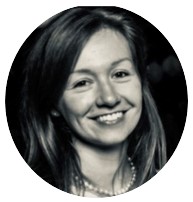
Dr. Julia Behrend
/ Head of Safety Research
Air France
Held annually since 1947, the International Air Safety Summit (IASS) is aviation’s premier safety event, drawing as many as 400 representatives from over 50 countries to exchange information and propose new directions for further risk reductions and make the safest mode of transportation even safer. Summit content is designed to address issues surrounding safety, training, practical solutions, management, human factors, maintenance/engineering, and offshore operations.
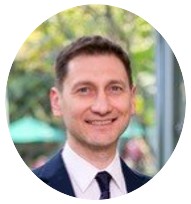
Mr. Tzvetomir Blajev
Regional Director /
Flight Safety Foundation
Held annually since 1947, the International Air Safety Summit (IASS) is aviation’s premier safety event, drawing as many as 400 representatives from over 50 countries to exchange information and propose new directions for further risk reductions and make the safest mode of transportation even safer. Summit content is designed to address issues surrounding safety, training, practical solutions, management, human factors, maintenance/engineering, and offshore operations.
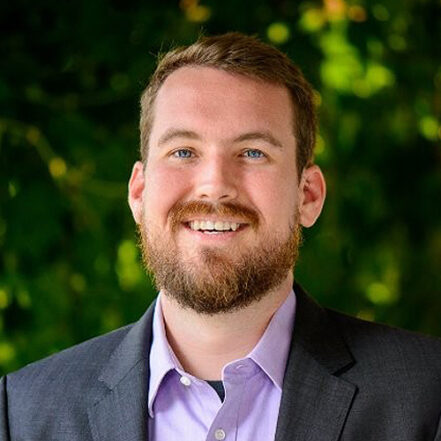
Mr. Luke Bowman
/ Senior Product Manager
GE Digital
Held annually since 1947, the International Air Safety Summit (IASS) is aviation’s premier safety event, drawing as many as 400 representatives from over 50 countries to exchange information and propose new directions for further risk reductions and make the safest mode of transportation even safer. Summit content is designed to address issues surrounding safety, training, practical solutions, management, human factors, maintenance/engineering, and offshore operations.
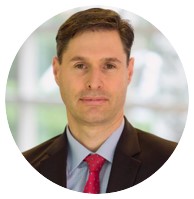
Mr. Christopher McGregor
/ Flight Safety Officer
ATR
Held annually since 1947, the International Air Safety Summit (IASS) is aviation’s premier safety event, drawing as many as 400 representatives from over 50 countries to exchange information and propose new directions for further risk reductions and make the safest mode of transportation even safer. Summit content is designed to address issues surrounding safety, training, practical solutions, management, human factors, maintenance/engineering, and offshore operations.

Dr. Jon Holbrook
/ Research Scientist
National Aeronautics and Space Administration (NASA)
Held annually since 1947, the International Air Safety Summit (IASS) is aviation’s premier safety event, drawing as many as 400 representatives from over 50 countries to exchange information and propose new directions for further risk reductions and make the safest mode of transportation even safer. Summit content is designed to address issues surrounding safety, training, practical solutions, management, human factors, maintenance/engineering, and offshore operations.
Mr. Andrew Karas
/ IS-BAO Programme Director
International Business Aviation Council
Held annually since 1947, the International Air Safety Summit (IASS) is aviation’s premier safety event, drawing as many as 400 representatives from over 50 countries to exchange information and propose new directions for further risk reductions and make the safest mode of transportation even safer. Summit content is designed to address issues surrounding safety, training, practical solutions, management, human factors, maintenance/engineering, and offshore operations.
Mr. Andrew Skow
/ President and CEO
Tiger Century Aircraft
Held annually since 1947, the International Air Safety Summit (IASS) is aviation’s premier safety event, drawing as many as 400 representatives from over 50 countries to exchange information and propose new directions for further risk reductions and make the safest mode of transportation even safer. Summit content is designed to address issues surrounding safety, training, practical solutions, management, human factors, maintenance/engineering, and offshore operations.
Mr. Bryan Burns
/ President
Air Charter Safety Foundation
Held annually since 1947, the International Air Safety Summit (IASS) is aviation’s premier safety event, drawing as many as 400 representatives from over 50 countries to exchange information and propose new directions for further risk reductions and make the safest mode of transportation even safer. Summit content is designed to address issues surrounding safety, training, practical solutions, management, human factors, maintenance/engineering, and offshore operations.

$SOLD
As the main focus of the conference, general sessions are a great opportunity to showcase your brand. During your day’s sponsored session, you can show a 3-minute promo video and place giveaways at attendee seats. You will receive verbal recognition during the session as well as your logo on the presentation. There will be sponsor table tents and signage at the entrance of the room recognizing you as the general session sponsor. *Additional mobile app ad.

$SOLD
As the main focus of the conference, general sessions are a great opportunity to showcase your brand. During your day’s sponsored session, you can show a 3-minute promo video and place giveaways at attendee seats. You will receive verbal recognition during the session as well as your logo on the presentation. There will be sponsor table tents and signage at the entrance of the room recognizing you as the general session sponsor. *Additional mobile app ad.
Unsold
$13,000
As the main focus of the conference, general sessions are a great opportunity to showcase your brand. During your day’s sponsored session, you can show a 3-minute promo video and place giveaways at attendee seats. You will receive verbal recognition during the session as well as your logo on the presentation. There will be sponsor table tents and signage at the entrance of the room recognizing you as the general session sponsor. *Additional mobile app ad.

$SOLD
Provide midday fuel for attendees and sponsor one or more luncheons. Your company logo will be displayed on table tents throughout the luncheon and on the main luncheon signage. You may distribute company literature or giveaway items at the tables. *Mobile app ad.

$ SOLD
As the main focus of the conference, general sessions are a great opportunity to showcase your brand. During your day’s sponsored session, you can show a three-minute promo video and place giveaways at attendee seats. You will receive verbal recognition during the session as well as your logo on the presentation. Your logo will be on every table tent and on signage at the entrance of the room recognizing you as the general session sponsor. Sponsor mobile app card.

$SOLD
Provide midday fuel for attendees and sponsor one or more luncheons. Your company logo will be displayed on table tents throughout the luncheon, on the main luncheon signage, and you may distribute company literature or giveaway item(s). *Additional mobile app ad.

$SOLD
This two-hour networking reception is a great opportunity to be seen by attendees and show your Summit support! Your company logo will be displayed on table tents throughout the event and on the main reception signage. *Additional mobile app ad.
$SOLD
You receive five invitations to the reception and your company logo will be displayed on table tents throughout the event and on the main reception signage. *Additional mobile app ad.

$SOLD
Help attendees fuel up for the day and sponsor one or more of our daily breakfasts. Your company logo will be displayed on table tents throughout the breakfast, on the main breakfast signage, and you may distribute company literature or giveaway item(s). *Additional mobile app ad.

$SOLD
Help attendees fuel up for the day and sponsor one or more of our daily breakfasts. Your company logo will be displayed on table tents throughout the breakfast, on the main breakfast signage, and you may distribute company literature or giveaway item(s). *Additional mobile app ad.
$ SOLD
Help attendees fuel up for the day and sponsor one or more of our daily breakfasts. Your company logo will be displayed on table tents throughout the breakfast, on the main breakfast signage, and you may distribute company literature or giveaway item(s). *Additional mobile app ad.

$ SOLD
Be in the hands of every attendee and sponsor the mobile app. Your company logo will appear on the app load screen as well as within in the app. You also receive an in-app company ad that runs throughout the event.
$ SOLD
Put your company name in the hands of each IASS attendee by having your logo printed on the Summit tote bag. Bags are handed out to attendees at the registration table.
$SOLD
Help attendees stay connected! Signage designating you as the Wi-Fi sponsor will be placed throughout the conference and a sign in sponsor-themed splash page and password will be visible to all attendees.
Unsold
$4,000
Your company logo will appear on the main networking break signage and on table tents during your sponsored event(s). You also have the opportunity to distribute company literature or giveaway item(s). *Additional mobile app ad.
Unsold
$4,000
Your company logo will appear on the main networking break signage and on table tents during your sponsored event(s). You also have the opportunity to distribute company literature or giveaway item(s). *Additional mobile app ad.

$SOLD
Your company logo will appear on the main networking break signage and on table tents during your sponsored event(s). You also have the opportunity to distribute company literature or giveaway item(s). *Additional mobile app ad.
$4,000
Your company logo will appear on the main networking break signage and on table tents during your sponsored event(s). You also have the opportunity to distribute company literature or giveaway item(s). *Additional mobile app ad.
Unsold
$4,000
Your company logo will appear on the main networking break signage and on table tents during your sponsored event(s). You also have the opportunity to distribute company literature or giveaway item(s). *Additional mobile app ad.
Unsold
$4,000
Your company logo will appear on the main networking break signage and on table tents during your sponsored event(s). You also have the opportunity to distribute company literature or giveaway item(s). *Additional mobile app ad.

$SOLD
Lanyards are a great way to receive high visibility with attendees. Badge lanyards with your logo are worn by all attendees and exhibitors throughout the summit.
Unsold
$3,500
Reduce waste, protect marine life, and get brand exposure at the summit with this opportunity. Attendees will see your name every time they grab their straw after the summit too!
Unsold
$3,900
Hotel key cards are given to each attendee when they check-in at the official summit hotel. Your logo will be imprinted on the key card and will be one of the first things attendees see.
$ SOLD
Help keep attendees hydrated and put your logo on the Summit tumbler. The tumbler will be given to every attendee and displayed at the registration desk for extra visibility.
$SOLD
As the main focus of the conference, general sessions are a great opportunity to showcase your brand. During your day’s sponsored session, you can show a 3-minute promo video and place giveaways at attendee seats. You will receive verbal recognition during the session as well as your logo on the presentation. There will be sponsor table tents and signage at the entrance of the room recognizing you as the general session sponsor. *Additional mobile app ad.
$SOLD
As the main focus of the conference, general sessions are a great opportunity to showcase your brand. During your day’s sponsored session, you can show a 3-minute promo video and place giveaways at attendee seats. You will receive verbal recognition during the session as well as your logo on the presentation. There will be sponsor table tents and signage at the entrance of the room recognizing you as the general session sponsor. *Additional mobile app ad.
Unsold
$13,000
As the main focus of the conference, general sessions are a great opportunity to showcase your brand. During your day’s sponsored session, you can show a 3-minute promo video and place giveaways at attendee seats. You will receive verbal recognition during the session as well as your logo on the presentation. There will be sponsor table tents and signage at the entrance of the room recognizing you as the general session sponsor. *Additional mobile app ad.
IASS 2022 is Proudly Sponsored By
Platinum Sponsor



Gold Sponsor
Silver Sponsor




Why Exhibit at IASS?
IASS provides exhibitors with access to some of the most influential decision makers in aviation safety. Unlike some massive tradeshows, the ‘boutique’ atmosphere of IASS allows exhibitors and participants to interact in a more personal, one-on-one manner. The exhibit marketplace is strategically positioned next to the general session and all food and beverage is served in the center of the marketplace to help drive traffic to your booth. Flight Safety Foundation, backed by 75 years of history and known for its independence and impartiality, makes IASS the one aviation safety event you don’t miss.
Benefits
<p>One (1) complimentary registration per exhibit space.</p>
<p>Breakfasts and networking breaks held in the exhibit hall.</p>
<p>Company listing on the conference website, mobile app, and printed program.</p>
<p>Option to purchase up to two additional registrations for a discounted rate of $525 each.</p>
<p>Pre-conference and post-conference attendee roster.</p>
<p>As an exhibitor, you will have access to all general session programming and breakout sessions.</p>
Network
- Unlike some massive tradeshows, the ‘boutique’ atmosphere of IASS allows exhibitors and participants to interact in a more personal, one-on-one manner.
- Connect with individuals from around the globe who represent the middle and upper management levels of their organizations.
- Breakfasts and networking breaks with exhibitors to help drive traffic.


Exposure
<p>Market your organization and raise brand exposure to the flight safety community.</p>
<p>Give attendees hands on-access to your products.</p>
Booth Package
$4,000
10’x10′
10'x10'
Non-member price: $5,500
$7,000
10’x20′
10'x20
Non-member price: $9,500
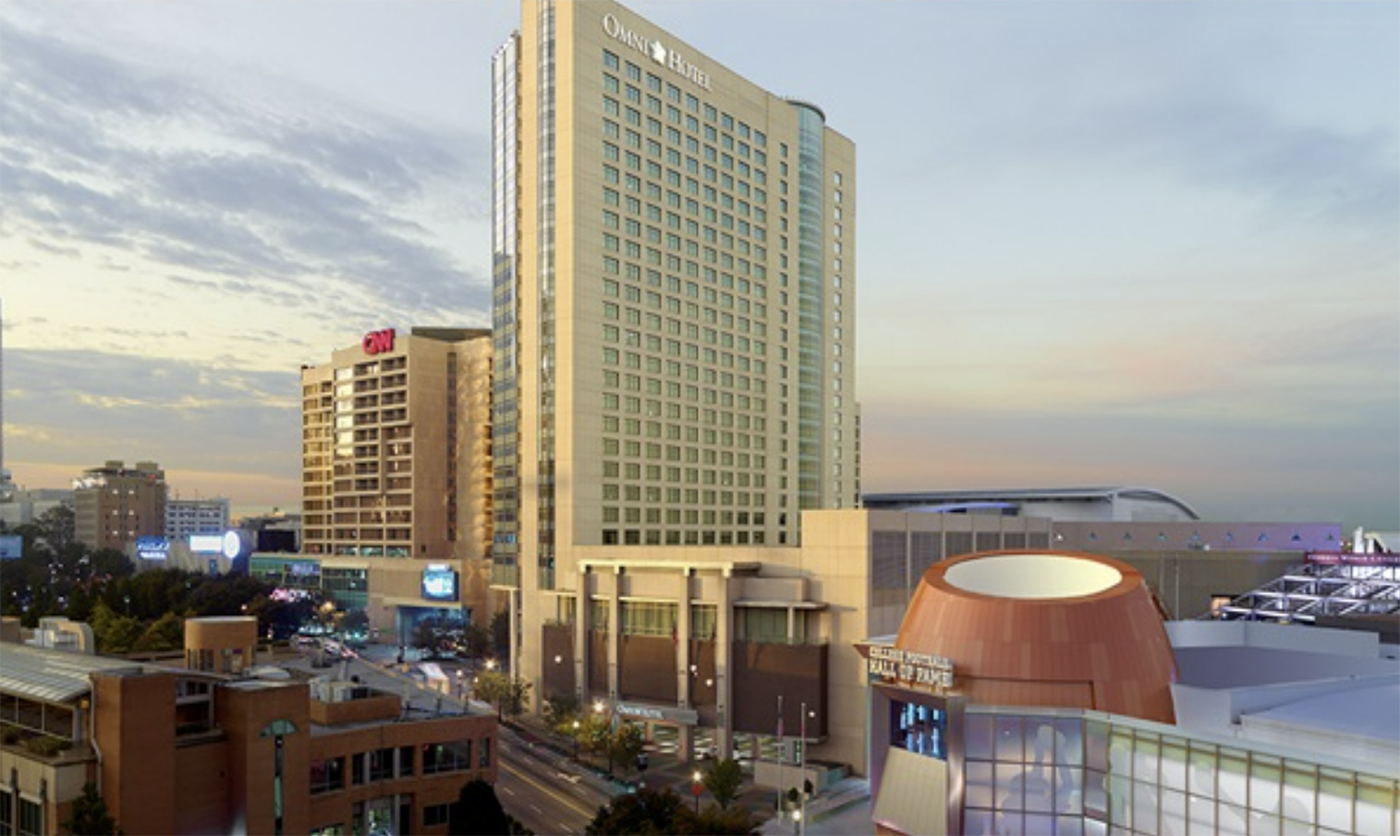
Omni Atlanta Hotel at CNN Center
IASS 2022 will be held at the Omni Atlanta Hotel at CNN Center in Atlanta. This luxury hotel is located in the heart of the city. With its sophisticated design, culinary delights and southern charm, the Omni Atlanta Hotel at CNN Center delivers an unforgettable experience. Book your stay today!
Flight Safety Foundation has reserved a block of sleeping rooms (single or double occupancy) at the Omni Atlanta Hotel at CNN Center for conference participants at the special group rate of $219.00/night, not inclusive of taxes. Room reservations can be made online or over the phone to take advantage of our special group rate.
The cut-off date is October 14, 2022. After the cut-off date, it is at the hotel’s discretion whether to accept additional reservations at the group rate, which will be subject to prevailing rates and availability.

Phone Number
(404) 659-0000

Omni Atlanta Hotel at CNN Center
Omni Atlanta Hotel at CNN Center, Atlanta, Georgia, United States
* PLEASE NOTE: Flight Safety Foundation does not work with any third parties for hotel reservations, and no company should be contacting you to solicit hotel reservations. Should you be contacted by any third-party housing companies, please note that they are not affiliated, authorized or recommended by FSF.
Header introducing section
IASS is organized by Flight Safety Foundation
Questions? Contact: events@webdeva.flightsafety.org
we look forward to seeing you there!
Questions? Contact: events@webdeva.flightsafety.org