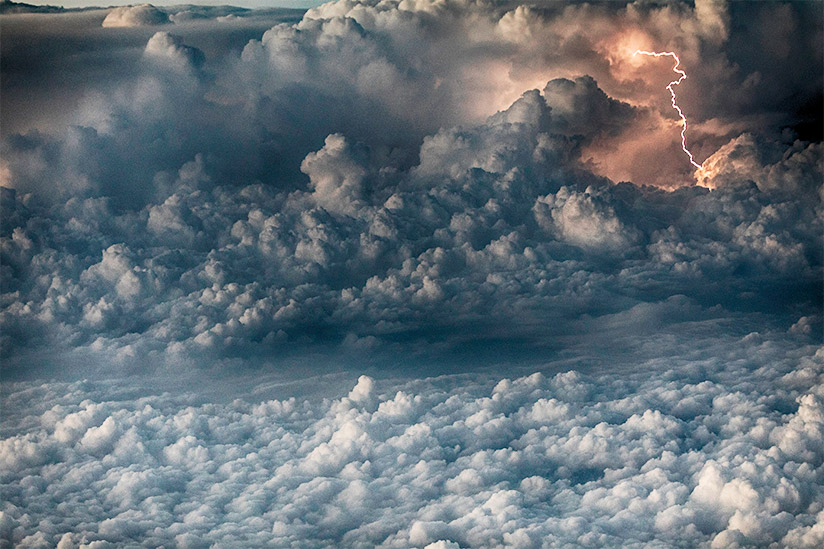
Convection, which produces a multitude of dangerous elements, including lightning, heavy rain, icing, hail and — especially — severe turbulence, is a risk to all aircraft, including air carriers. Flight crews of even the largest commercial jets, for example, must be acutely aware of convective activity, and the resulting turbulence, to reduce the risk of injury to unsecured occupants. Convection is also the No. 1 reason for delays in the U.S. National Airspace System (NAS).
For these reasons, forecasting convection is a priority for aviation meteorologists.
In the United States, development of convective forecasts begins at the National Weather Service (NWS) Aviation Weather Center (AWC) and the Air Traffic Control System Command Center (ATCSCC), with information relayed to the nation’s 21 Air Route Traffic Control Centers (ARTCCs) and to aviation forecasters at the 122 local NWS Weather Forecast Offices (WFOs).
The AWC in Kansas City, Missouri, originates…