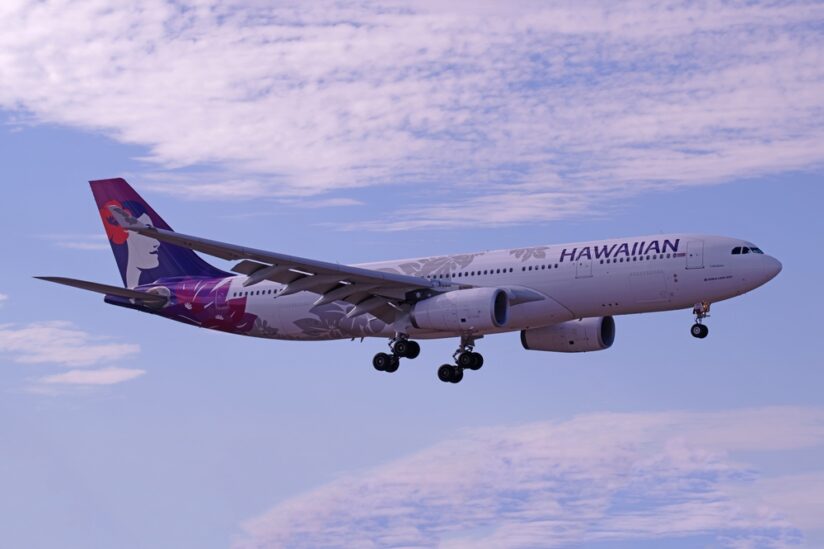
The pilots of a Hawaiian Airlines Airbus A330 saw a “plume-like cloud” directly in front of the airplane as it flew over the Hawaiian Islands and warned the lead flight attendant to expect turbulence. One to three seconds later, they encountered severe turbulence, which injured two dozen passengers and flight attendants, four of them seriously, and caused minor damage to the airplane.
In its final report on the Dec. 18, 2022, accident,1 the U.S. National Transportation Safety Board (NTSB) said the probable cause was “the flight crew’s decision to fly over an observed storm cell instead of deviating around it, despite sufficient meteorological information indicating the potential for severe convective activity.”
The captain had been advised, during a preflight discussion with the flight dispatcher of possible severe turbulence and embedded convective activity during the planned flight from Phoenix (Arizona, U.S.) Sky Harbor International Airport to …